
They stand proud
↓ listen to the story in KANIEN’KÉHA ↓
🔈
↓ listen to the story in KANIEN’KÉHA ↓ 🔈
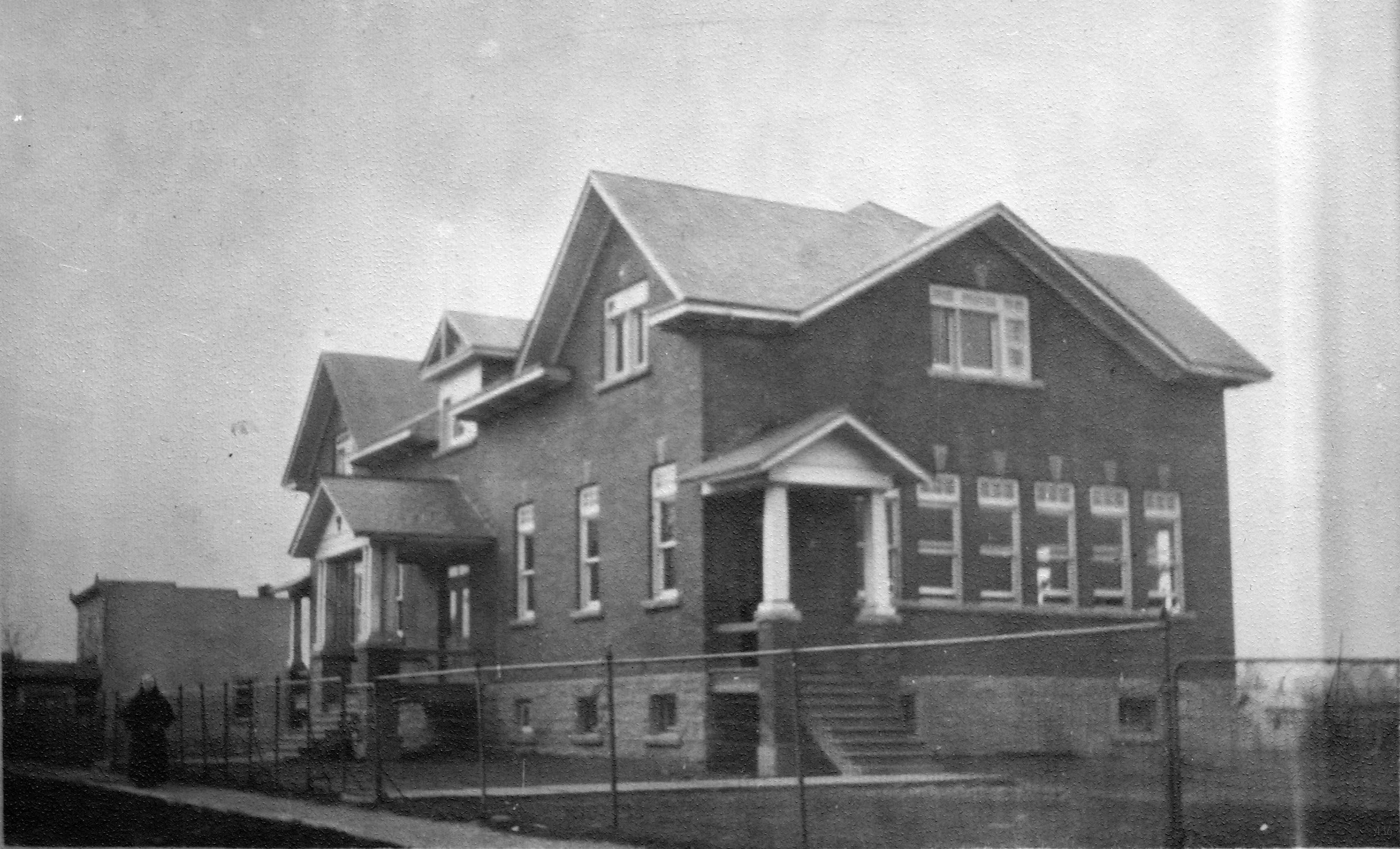
(Courtesy: Kanien’keháka Onkwawén:na Raotitióhkwa Language and Cultural Center)
Story told by Robert Ronwahawata Patton
I went to the Protestant school in Kahnawake when I was a child. It was where the old cultural centre was, but the building is gone now.
It went to grade seven.
When I first went there, we mostly spoke Mohawk because everyone around us spoke Mohawk - my mother, father, grandparents, everyone. But eventually, they told us we weren’t allowed to speak it in school. Over time if you don’t practice it every day, you will lose it.
In grade seven or grade eight they sent us across the bridge to John Grant High School in Lachine. By the time we finished grade eleven we didn’t speak too much anymore.
So, when I became of age and got a job, I started raising a family. I had my four kids, but I didn’t speak much Mohawk to them, only a few words here and there.
When they started having kids, their kids asked them, “How come you don’t speak much Mohawk?”
They said, “Our father never taught us.”
My grandkids are starting to grow and are getting curious about their language. They started going to school, taking language classes.
Those kids today are not in the church, but they are learning their traditions. I have no problem with that, I encourage them to learn who they are.
No one ever told them it was wrong for speaking Mohawk, and they stand proud.
KANIEN’KÉHA VERSION
↓
KANIEN’KÉHA VERSION ↓
É:so tsi rotira'sè:se thí:ken
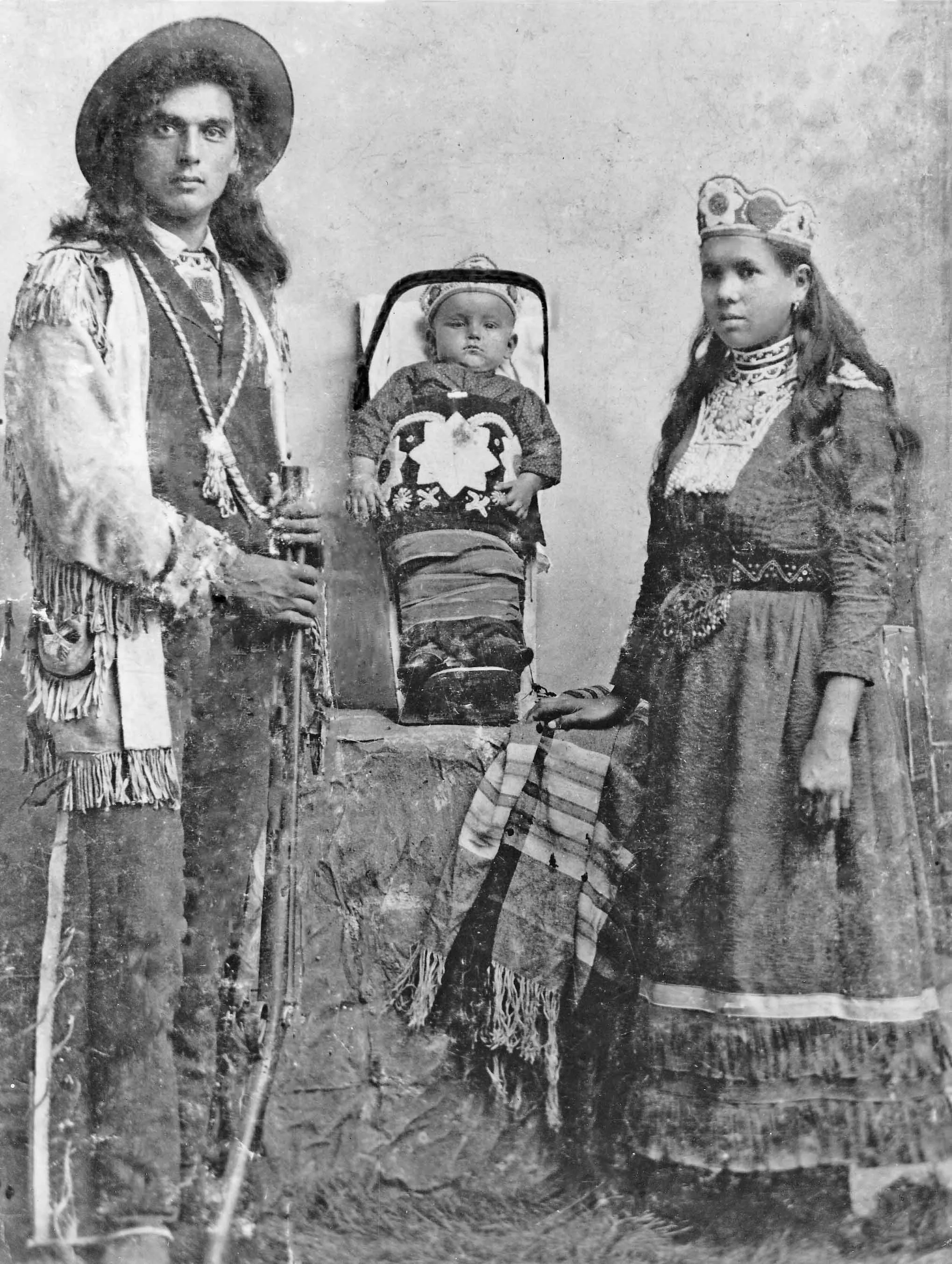
(Courtesy: Kanien’keháka Onkwawén:na Raotitióhkwa Language and Cultural Center)
Robert Ronwahawata Patton ROKÁ:RATON
Iah Tha'tehatiiahsóntha tsi ionterihwaienstáhkhwa shos iekaterihwaiénstha ne Kahnawà:ke shikeksà:'a. Tho nón:we nikanonhsó:tahkwe tsi nón:we ne aká:ion Kanien'kehá:ka Onkwawén:na Raotitióhkwa tkanonhsó:tahkwe nek tsi iah tho tha'tetkanónhsote ó:nen.
Tsá:ta tsi kahiá:ton niió:re ratíhaskwe.
Shontontié:renhte tho iahà:ke, iotkà:te nek Kanien'kéha wa'akwatá:ti áse' kenh akwé:kon ne iakwa'taktóntie rón:nes rontá:tiskwe Kanien'kéha - ake'nisténha, rake'níha, khehsothokòn:'a, kwah akwé:kon. Nek tsi eh thò:ne saionkhihró:ri tsi iah teionkwaianerenhseraién:tahkwe aiakwatá:ti thí:ken ne tsi tionterihwaienstáhkhwa. Tsi nenwatenhniseróhetste tóka' iah thahsatéweienste thí:ken thia'tewenhniserá:ke, ensáhton'se.
Tsá:ta tóka'ni sha'té:kon tsi kahiá:ton shikhá:wi tho ia'onkhiiató:ri ísi' nónskwati ne John Grant High School iaiákwe ne Skaniatará:ti nonkwá:ti. Tsi ó:nen ia'akwáhsa ne énska iawén:re tsi kahiá:ton kwah iah tho tetsakwatá:tiskwe ó:nen.
Sok tsi wa'kohseraié:rite tánon ontien'tenhseraién:ta'ne, takatáhsawen wa'kathwatsirón:ni. Onkewiraién:ta'ne ne kaié:ri nihá:ti kheien'okòn:'a nek tsi iah Kanien'kéha tekheiatewennontáhkwén:ni, nek tohkára nikawén:nake iokwenhrá:ron.
Shontontáhsawen tsi wahotiwiraién:ta'ne, shakotiien'okòn:'a wahshakotirihwanón:ton'se, "Oh nontié:ren tsi é:so tesewatá:tis ne Kanien'kéha?"
Wahonnì:ron, "Shakwa'níha iah nonwén:ton tehshonkwarihonnién:ni."
Kheiatere'okòn:'a ó:nen ki' tewatahsáwha nahontehià:ron tánon iotahsawátie naontahoti'nikonhratihéntho tsi nihatiwennò:ten. Tahontáhsawen wahonterì:waienste, iontewennaweienstáhkhwa otióhkwa wahontià:taren.
Thí:ken ratiksa'okòn:'a iah teshatiià:tare ne tsi ionterennaientáhkhwa nek tsi ratiweientéhta's ki' wáhi tsi nihotirihò:ten. Iah thé:nen tha'tewake'nikónhrhare eh nahò:ten, khehretsá:rons nahatiweientéhta'ne ónhka ne ronónha.
Iah ónhka nonwén:ton tehonwatihró:ri tsi iah tetkaié:ri ne Kanien'kéha ahontá:ti tánon é:so tsi rotira'sè:se thí:ken.
Edited by: Aaron McComber, Local Journalism Initiative Reporter
Translated by: Karonhí:io Delaronde