
Looking at the print
↓ listen to the story in KANIEN’KÉHA ↓
🔈
↓ listen to the story in KANIEN’KÉHA ↓ 🔈
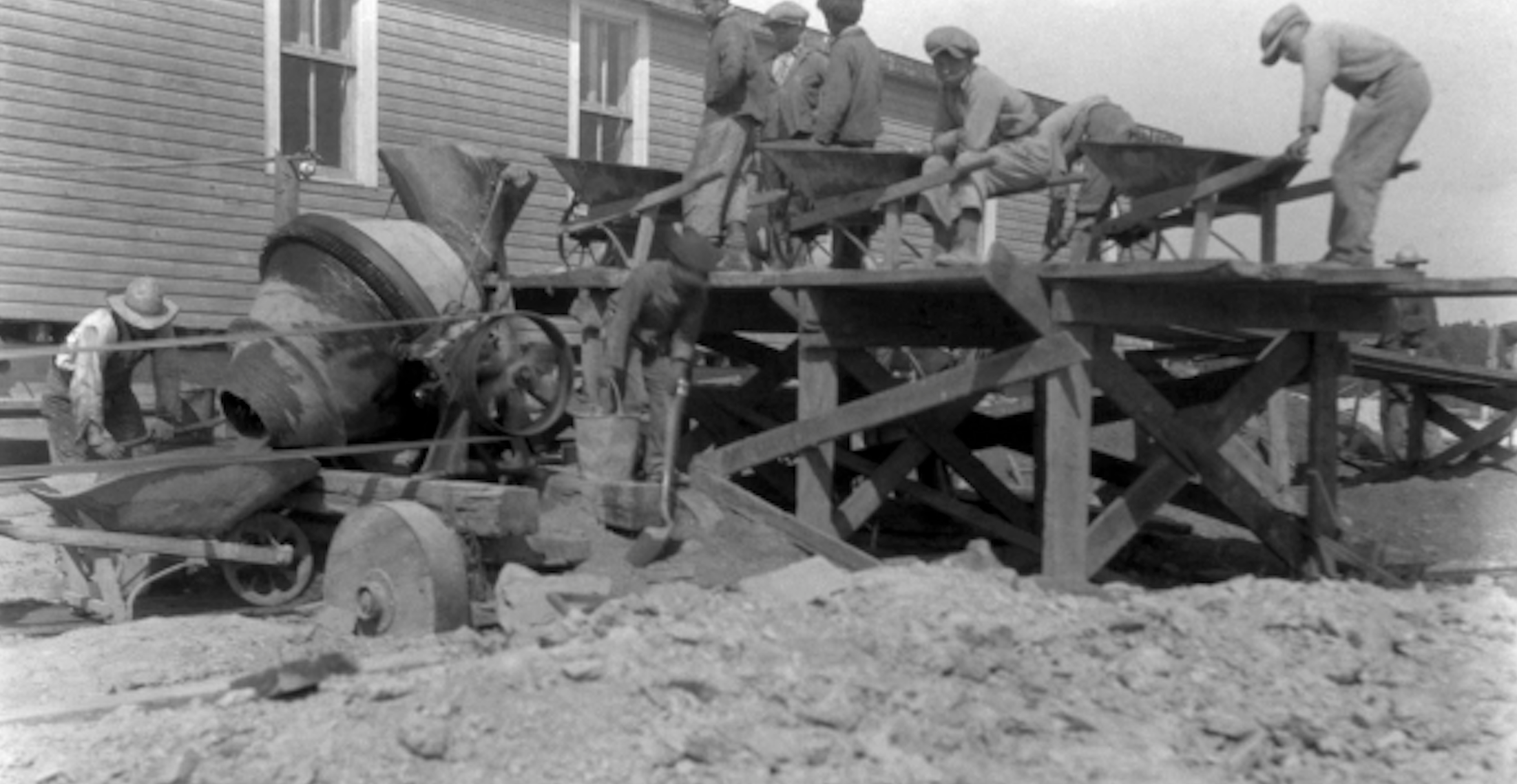
(Courtesy: Shingwauk Residential Schools Centre, Algoma University)
Story told by Niioié:ren Patton
I began to learn our language when I was 21 years old.
When I was young, my mother would talk on the phone to my grandparents, so I’d hear them speak but not ever to us because we lived in Detroit, and I guess my mom didn’t think we’d ever use it. My grandparents always spoke the language but never spoke it with us either. I think it’s because of what they experienced in residential school.
Both my grandparents were at Spanish. They didn’t want us to be hurt like they had been hurt whenever they spoke the language at the child labor camps. They suffered and lived with the fear of punishment.
But when I was around 21, I just felt something inside me telling me what I have to do. I thought about my ancestors and how I exist because of them. I owed them something and I felt I had let them down. So, I figured, I need to begin to learn the language.
I remember carrying my grandmother’s Kanien’kéha hymn book. That’s all I had. Back in Michigan, I would be at work and during lunch, I would just look at it. I didn’t know how to say the words, but I’d look at the print, the words were all in little phonic pieces. I remember one of my co-workers asking me what I was reading. I said, “I’m trying to read and learn Mohawk.” He said, “Why are you learning that? That’s not going to help you. You’re wasting your time.”
That was the attitude toward what mattered to us then.
It was that attitude that, even today, they did all they could to try to keep us away from what we believe is important to us.
KANIEN’KÉHA VERSION
↓
KANIEN’KÉHA VERSION ↓
Enkatkáhtho tsi ní:tsi kahiatónnion
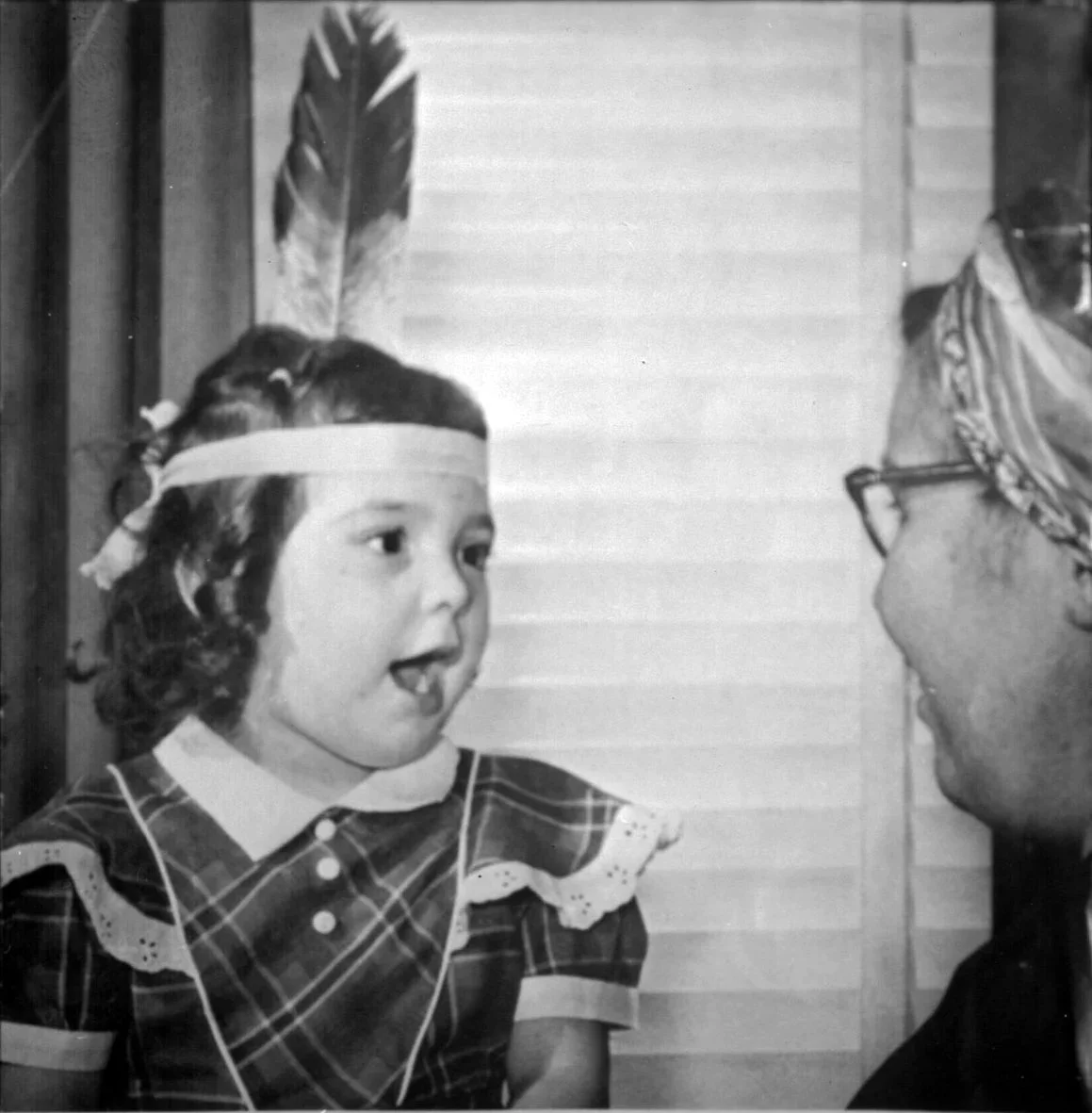
(Courtesy: Kanien’keháka Onkwawén:na Raotitióhkwa Language and Cultural Center)
Niioié:ren Patton IAKOKÁ:RATON
Tewáhsen énska shitewátien shontakatáhsawen tsi keweientéhta's nonkwawén:na.
Ken' shitewatién:ha, ake'nisténha shos tenhatihthá:ren khehsothokòn:'a iontewennata'asthà:ke sok enwakathón:te'ne tsi onkwehonwehnéha ratiwennontáhkwen nek tsi iah nonwén:ton nì:'i tho teionkhiierà:se áse' kenh Tiohsahrhóntion tiakwen'terón:tahkwe, tánon khé:re káti' kenh ake'nisténha wà:'enhre tsi iah nonwén:ton thaiákwatste. Tió:konte wahontá:ti nonkwehonwehnéha ne khehsothokòn:'a nek tsi iah nonwén:ton skátne teionkwatá:ti ó:ni. Kwah í:kehre ne iorihón:ni néne tsi nahò:ten tethonatohétston ne onkwehón:we ratiksa'okòn:'a tsi ronwatirihonniennì:tha nonkwá:ti.
Tetsá:ron ne khehsothokòn:'a Spanish nonkwá:ti íthneskwe. Iah nè:'e tehnéhrhahkwe ne aionkwa'nikonhrakaré:wahte tsi ní:ioht ne ronónha tsi ní:tsi roti'nikonhrakarewáhton shahiatá:ti nonkwehonwehnéha eh nón:we ne thí:ken ratiksa'okòn:'a tsi ronwatiio'ténstáhkhwa. Wahniiéhsa tánon tiótkon nitshà:niskwe tsi enhonwatikaré:wahte.
Nek tsi ákta tewáhsen énska shitewátien, ok nahò:ten onkwatéta'a'se ake'nikòn:rakon néne wakhró:ris tsi nahò:ten ó:nenk tsi nenkátiere. Wa'kanonhtonnión:ko ne Akhsótshera tsi nihatiia'to'tèn:ne tánon tsi ronónha rotirihón:ni tsi konhnhétie. Thé:nen sakhekária'kse tánon wà:kehre tsi takhe'nikòn:renhte. Thò:ne ki' ionsákhewe, kwah tokèn:'en í:kehre aontakatáhsawen akeweientéhta'ne ne onkwehonwehnéha.
Kè:iahre khá:wine ne akhsótha akó:wen Kanien'kéha orennatokénhti kahiatónhsera. Kwah nek thí:ken watién:tahkwe. Ne Michigan nonkwá:ti, enwatió'ten tánon nó:nen éntie nenká:rake, thò:ne nek enkka'eniónnion. Iah tekeweietehtòn:ne tsi ní:tsi akihrónnion nowenna'shòn:'a nek tsi enkatkáhtho tsi ní:tsi kahiatónnion, akwé:kon nowenna'shòn:'a kenk ní:was iokwenhrá:ron tsi kahiatónnion ne tsi ní:tsi ión:ton tánon ne tionatenróhon ohiatónhkwa. Kè:iahre shaià:ta ne skátne ionkwaió'te wahakerihwanón:ton'se tsi nahò:ten wakewennahnó:tahkwe. Wa'kì:ron, "Kate'niéntha akewennahnó:ton tánon akeweientéhta'ne Kanien'kéha." Wahèn:ron, "Oh nontié:ren seweientéhta's thí:ken? Kwah iah thaiesaianerénsten. Kwah satenhniseratiesahtonhátie."
Iotkà:te tho ní:tsi ronnonhtónnionhskwe tsi nonkwá:ti tsi nahò:ten iorihowá:nen nonkwarihwà:ke neh shitkahá:wi.
Tho ní:tsi ronnonhtónnionhskwe, sha'té:ioht nòn:wa, tsi eh nahóntiere tsi nihotikweniòn:ne ne ahonte'nién:ten ne é:ren aionkhi'nikonhrenhá:wihte ne tsi nahò:ten tiakwehtáhkhwa tsi iorihowá:nen nonkwarihwà:ke.
Edited by: Emma McLaughlin, Local Journalism Initiative Reporter
Translated by: Karonhí:io Delaronde