
Grandmother and Grandfather
↓ listen to the story in KANIEN’KÉHA ↓
🔈
↓ listen to the story in KANIEN’KÉHA ↓ 🔈
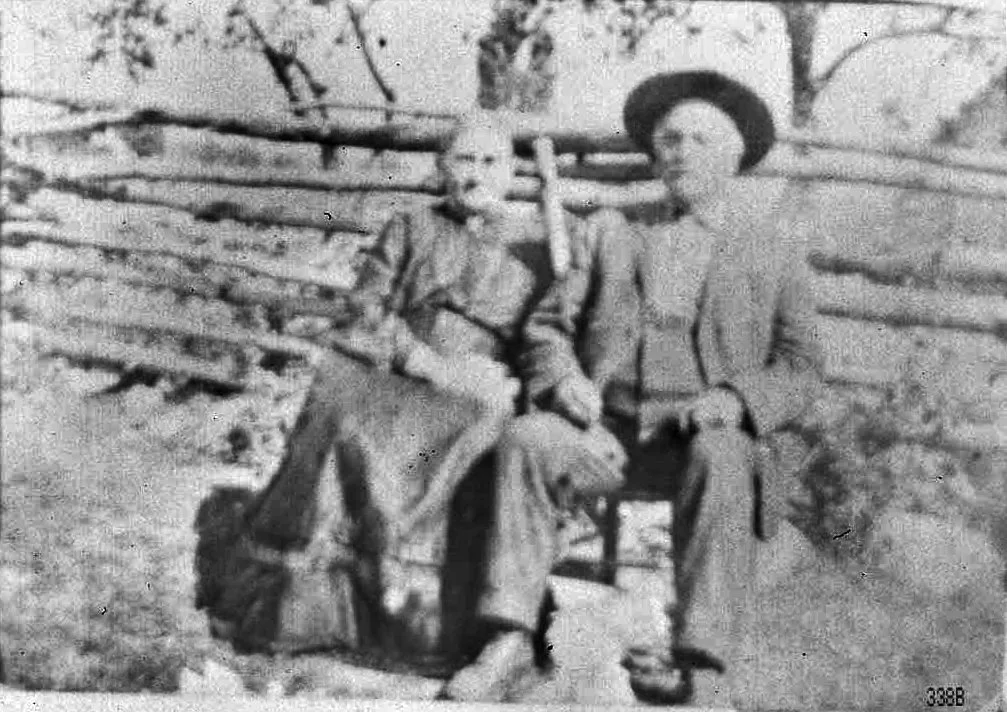
(Courtesy: Kanien’keháka Onkwawén:na Raotitióhkwa Language and Cultural Center)
Story told by Tekarón:take Delaronde
When a girl becomes old, now she’s a grandmother, she’s witnessing. That’s why she doesn’t have a change each month. She’s the grandmother. Now the Grandmother, she’s the one that controls the life cycles of the women, determination of when and how children will be born, when to plant the food, when to pick the medicines. Grandmother is the one who tells us all these things.
The Grandfathers, they’re the winds and thunders. They bring the rain; they bring the change in the seasons. Grandfathers are always the ones to be like teachers. They’re there to create different scenarios so that you can understand life. They help to guide you.
In that, they’re like the winds. They’re constantly blowing so that we can breathe, and they blow away sickness and disease.
In the springtime they help kickstart the renewal. With their thunder, they shake the Earth. All the animals who hibernate, they wake up, and they start a new cycle.
Then he puts the lightning into the ground, which helps to enable the Mother in her way of giving life. There’s not a thing on this land that doesn’t have electricity. It’s the Grandfather that put that to re-empower the Earth so she can start a new cycle.
He also brings us snow, to give her time to rest. She’s given so much birth that Mother needs to heal. That all goes together.
KANIEN’KÉHA VERSION
↓
KANIEN’KÉHA VERSION ↓
Ontathsótha tánon Ronwahsótha
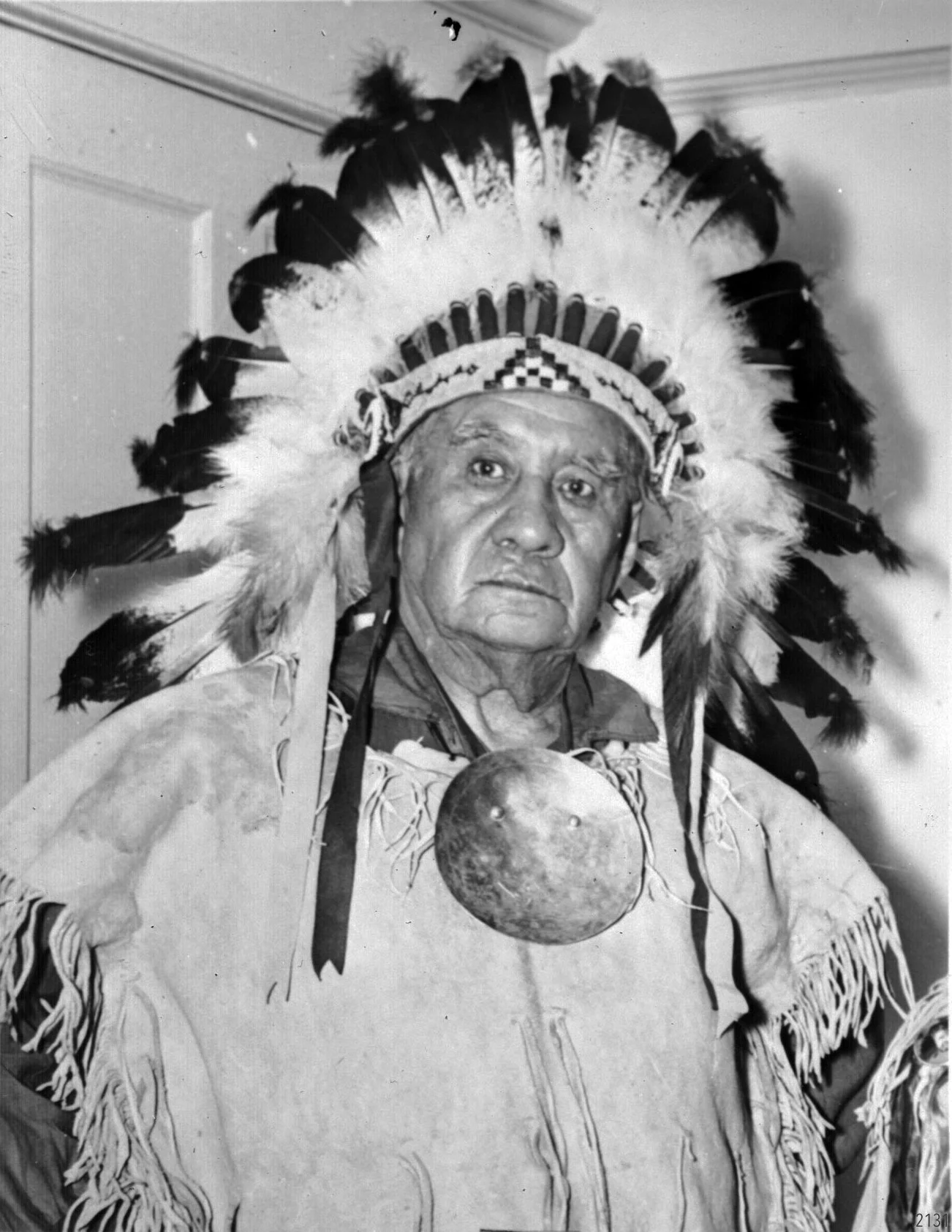
(Courtesy: Kanien’keháka Onkwawén:na Raotitióhkwa Language and Cultural Center)
Tekarón:take Delaronde ROKÁ:RATON
Nó:nen entiakoién:ta'ne ne tsakothonwí:sen, ó:nen Ontathsótha saión:ton, ó:nen ki' tseka'én:ions nakwé:kon. Nè:'e tiorì:wa tsi iah tetsakotenhni'tará:nis thia'tewenhnì:take. Akaónha nà:'a ne Ontathsótha. Ó:nen nòn:wa ne Ontathsótha, akaónha wáhi nen' nè:'e tieniarotáhrhoks tsi ní:kon tewatténies ne konnón:kwe tsi ní:tsi konnónhnhe, ionnónhtons kátke tánon tsi ní:tsi ratiksa'okòn:'a enhonnennákerate, kátke enieiéntho ne kákhwa, kátke enienonhkwa'tsherá:ko. Ontathsótha nà:'a ionkhihró:ris akwé:kon ne ken' nikarihò:tens.
Ok ne Ronwatihsótha, ronónha nà:'a ne ioweraráties tánon kawehránions. Ratikennoréstha, tehatiténies tsi ní:kon teiothiohsaténion ne tsóhsera. Ronwatihsótha nà:'a tiótkon tsi ní:ioht ne shakotirihonnién:ni akénhake. Tho rón:nes ne ó:ia na'tekarihò:tens nahonterihwahténtia'te ne ki' ne aiesa'nikonhraién:ta'ne tsi ní:tsi sónhnhe. Iesaienawà:ses ne thé:nen aiesa'nikonhraientásten.
Tsi iá:we, tsi ní:ioht ne ioweraráties ne ronónha. Tiokontáhkwen iehotiwerà:re ne ki' naón:ton naietewatón:rie, tánon iehatiwerà:reks tsi é:ren ratihawíhtha ne kanonhwakténhtshera tánon káhnhra.
Ne kakwitè:ne rontasnié:nons ahonhténtia'te tsi á:se sewatónhsere. Ronnonhontsontawè:tha tsi ratiwè:ras. Akwé:kon tsi nikón:ti kontírio kontóhserons, enkontí:ie, tánon okahkwèn:tase tentkontáhsawen.
Thò:ne o'kenhró:kon ráta'as ne tewani'nehkarà:was, nè:'e watasnié:nons aiako'shátstate ne Ka'nisténhsera ne tsi ní:tsi tiontkà:was ne ionhnhéhkwen. Iah thé:nen nahò:ten teká:ien ne kén:tho onhontsà:ke néne iah teió:ien ne ahsitha'táhtshera. Ronwahsótha nen' nè:'e róten thí:ken ne ki' naón:ton á:se aonsaiako'shatsténhseron ne tsi ionhontsá:te ne ki' naón:ton okahkwèn:tase taontaiontáhsawen.
Ne ó:ni raniéhtaiens, ne ki' ne ahshakotonrihsentáhtsheron. É:so iakawennakerátston ne Ka'nisténhsera ne ki' kwah tetsakotonhontsó:ni ne aonsaiakonhnhaie'wén:ta'ne. Akwé:kon wáhi tekahnerenhátie.
Edited by: Simona Rosenfield, Local Journalism Initiative Reporter
Translation by: Karonhí:io Delaronde