
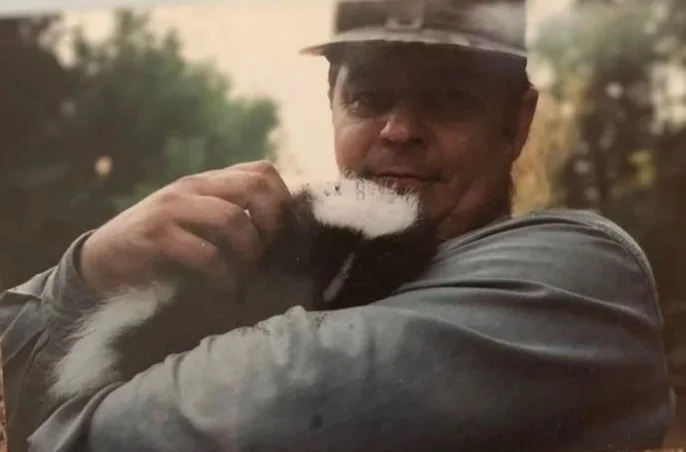
Courtesy: Nick Huard
Story told by Nick Huard
One day, me and Ricky Diabo were at Ricky’s cigarette store and Pat Nolan shows up.
He says, “Well I’ll be damned. How about that? The three most ugliest guys in Kahnawake, meet here at the same place, at the same time. It must be an omen.”
We’re putzing around and one of us said, “What do you mean the three ugliest? I am the ugliest!” And we started debating.
One day, I’m at the post office, before they changed places.
Ricky’s there and he goes, “Hey look, it’s Uncle Ugly!” It was a joke, but I took the name, it stuck.
It’s not a confrontation. It’s just like, okay, I’m ugly. So, what, what’s your point?
Humour is the best thing I can do because it puts people off kilter, and then you can talk about anything. You use your opponent’s strength or their attack against them. And if you’re not attacked, you dance!
When you laugh, your body vibrates and shakes and creates energy. Every human on this planet has dreams and the need to laugh.
And if nothing else, you can always laugh at yourself - it’s even more fun.
KANIEN’KÉHA VERSION
↓
KANIEN’KÉHA VERSION ↓
Tiakoteta'én:nis Naiakoiéhson'
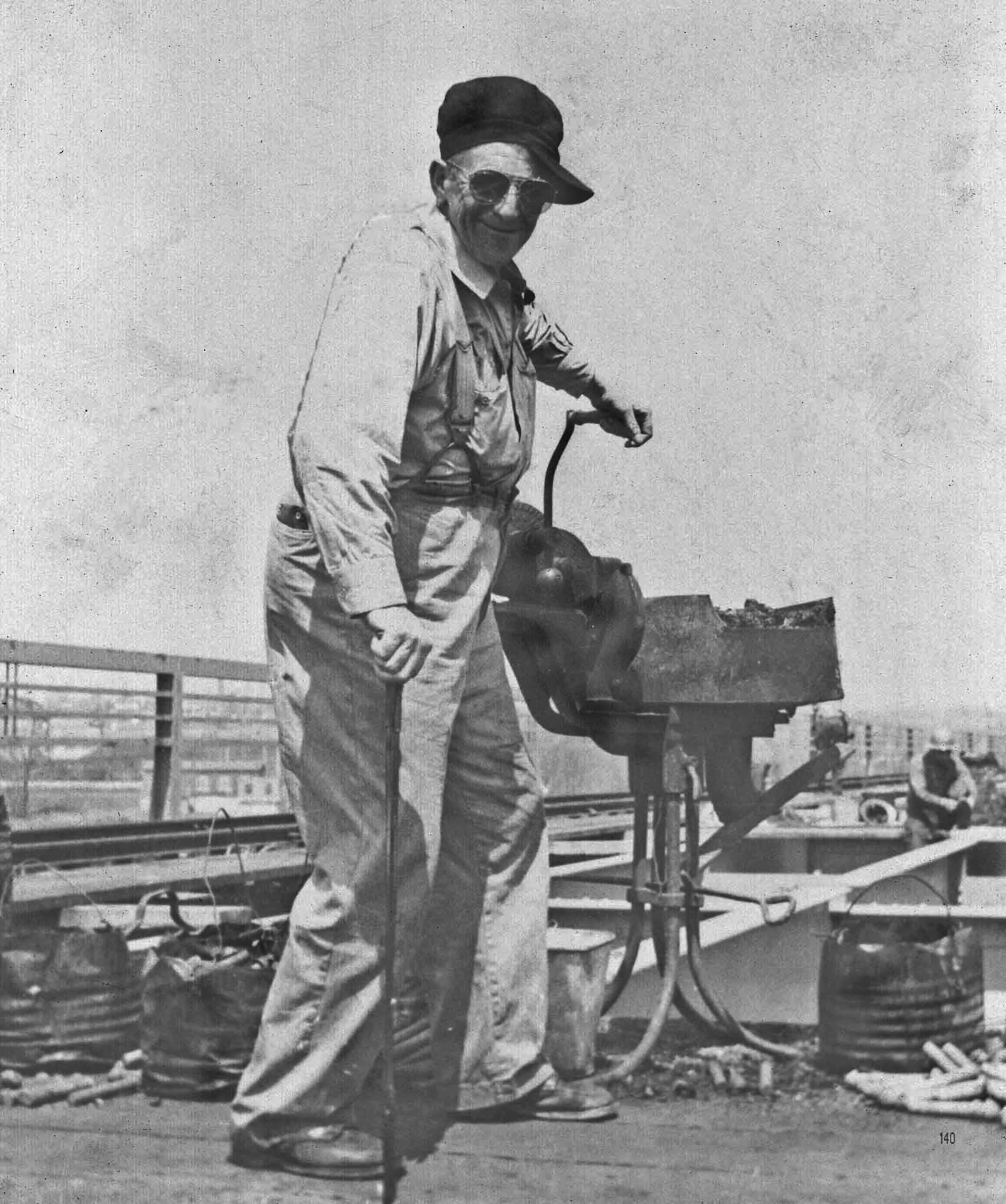
Courtesy: Kanien'keháka Onkwawén:na Raotitióhkwa Language and Cultural Center
Nick Huard ROKÁ:RATON
Sewenhnísera, Ricky's tsi iontien'kwahninòn:tha iákeneskwe ne ì:'i tánon Ricky Diabo tánon Pat Nolan wahokè:tohte'.
Wahèn:ron', "Nonkenenneri'taià:tawen'. He kí:ken? Áhsen nihá:ti ne naonhà:'a thatihétken ne Kahnawà:ke, khénska kèn:'en tsi nón:we wa'thontátken', khénska tsi nikahá:wi. Ki' ónhte kaienteríhsera nà:'a.""
Ionkwatswà:ton.
Tseià:ta ne tsi niiátion wa'è:ron', "Nahò:ten tsí:ton áhsen nihá:ti ne naonhà:'a thatihétken!? Sok tontáhsawen' wa'tiakwaterihwatihánion'.
Sewenhnísera tho ié:keskwe tsi iehiatonhserahkwáhtha, ohén:ton sha'thontatenákton'.
Ricky eh iè:res tánon wahèn:ron', "He kí:ken, Rakenonhà:'a Rahétken nen' nè:'e!" Nek wahátswa'te', nek tsi ia'tewakathsennatkóntha'se, taiora'nén:take' ki' wáhi.
Iah thikanenhrenhtén:ni té:ken. Nek tho ní:ioht, hao' ki'. Khétken. Nahò:ten, ki', nahò:ten tsí:ton?
Ne ki' ne naonhà:'a tioiánere ne aióntswa'te' wáhi áse' kenh eniakoia'takarèn:rate' nón:kwe, sok thò:ne enwá:ton thikawenní:io nahò:ten enhshthá:rahkwe'. Sátstha ne tetsatátswens ako'shatsténhsera tóka'ni tsi ní:tsi thiienenhrénhtha tsi enhsheió'tatshe'. Tánon tóka' iah thiiesanenhrenhtén:ni, tenhsenónniahkwe'!
Nó:nen ensaiéhson', teniowíhsonhkwe' ne saieròn:ta tánon enka'shatstenhserón:ni'. Akwé:kon tsi niionkwè:take ienákere ne ken' ionhontsá:te iakotetshenhserá:ien tánon tiakoteta'én:nis naiakoiéhson'.
Edited by: Emma McLaughlin, Local Journalism Initiative Reporter
Translated by: Karonhí:io Delaronde