
Opening doors
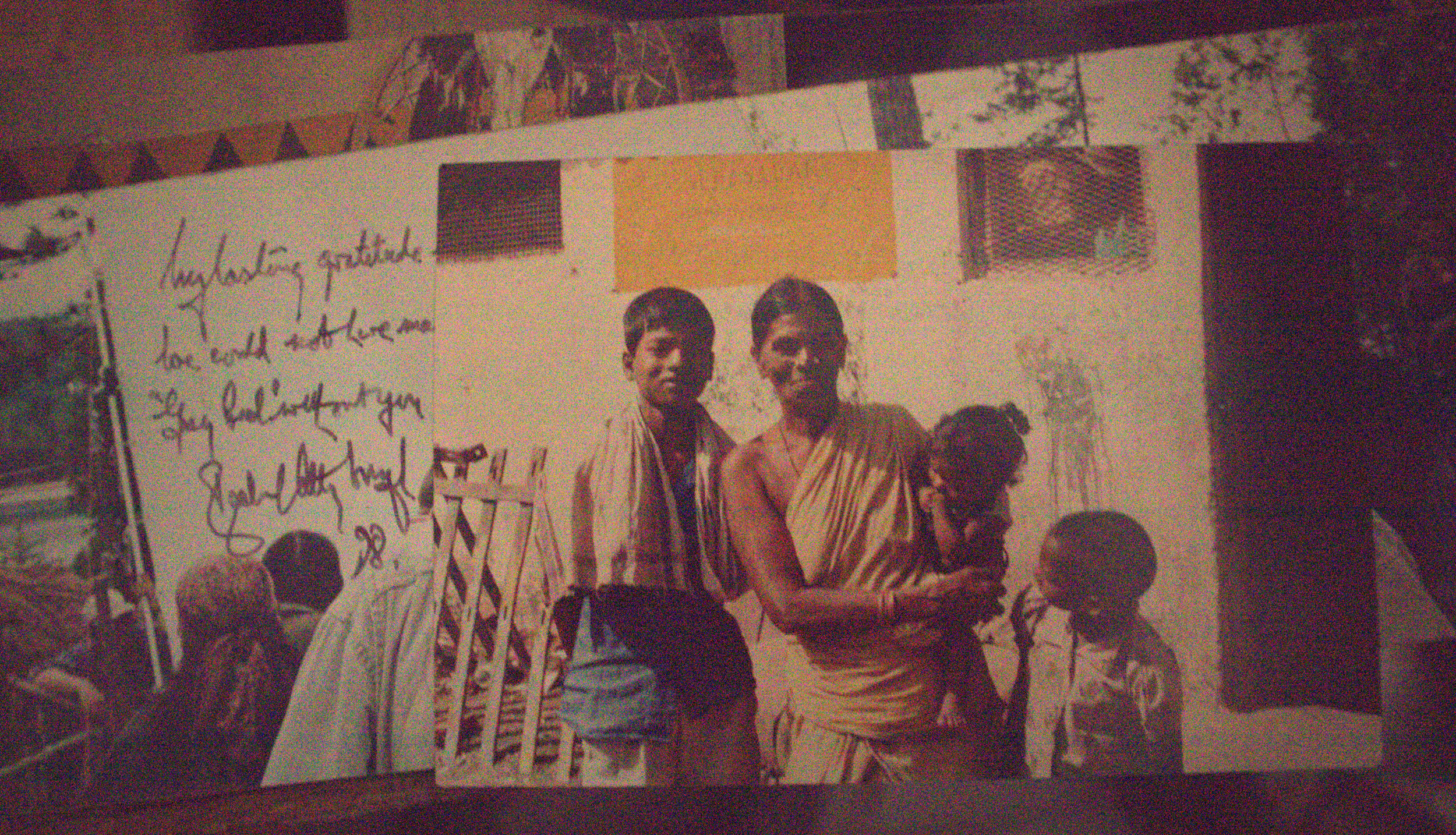
(Courtesy of Nick Huard)
Story told by Nick Huard
(Editor’s note: This story was told a few years ago to SOS, therefore it was captured from that moment, which is why some parts reflect that time and tense.)
When I started working with the kids at the Department of Youth Protection, it was the emotional investment that I was so afraid of. I’m Onkwehón:we, I can’t turn my back on my emotions.
When you’re working in the media, when something tragic happens, there’s always a joke that comes out to make it easier for you to cope and do your job. It’s not out of disrespect. It’s just about survival. But I can’t do that with those kids because it’s no joke.
But when you get a kid that succeeds at something they never did before, it’s incredible.
I try to open whatever doors I can for them by teaching them. I’m starting with manual stuff. Next week, we’re doing dreamcatchers with the kids. Later, they’ll help me teach about 60 of their teachers and supervisors how to make them.
Having the kids teach will be that much more rewarding for them.
They’ll think, “I know something that they don’t.”
We can learn from each other.
KANIEN’KÉHA VERSION
↓
KANIEN’KÉHA VERSION ↓
Watehnhotonkohá:tons
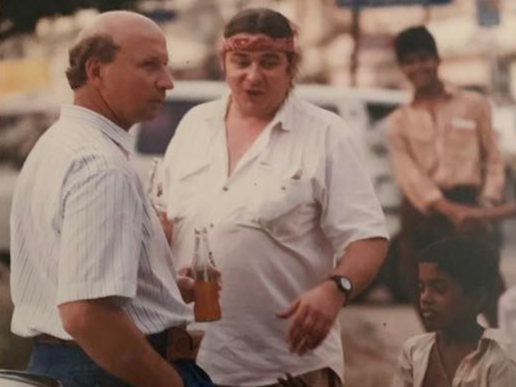
(Courtesy of Nick Huard)
Nick Huard ROKÁ:RATON
Shontakatáhsawen' tsi skátne ionkwaió'te ne ratiksa'okòn:'a ne Department of Youth Protection thón:nes, nè:'e wa'ketshà:nike' tsi niió:re tsi entà:'on én:katste' nakwé:ri. Konkwehón:we, iah thaón:ton' taonsakatkahrhaténien' ne awé:ri.
Nó:nen tsi tehonterihwarenia'táhkhwa saió'te, nó:nen othé:nen teiotenonhianíhton neniá:wen', tió:konte skaswà:ta entkaiá:ken'ne' eh nón:we néne enwatié:senste' tsi ní:tsi enhserèn:nha' tánon tsi ní:tsi ensaió'ten'. Iah átste ne karihwakwenienstahtsherá:kon teká:ien. Nek kaia'takwe'ní:io ne aiakohkátstake'. Nek tsi iah thakkwé:ni' eh nakheié:ra'se' ne thí:ken ratiksa'okòn:'a áse' kenh iah othé:nen kaswà:ta té:ken.
Nek tsi nó:nen ensaksa'taién:ta'ne néne kwah eniekwé:ni' nahò:ten néne iah nonwén:ton teiakokwénion nohén:ton, é:so tsi iorihwanehrákwaht. Kate'niéntha othé:nen enkkwé:ni' akhehnhotónkwa'se tsi kherihonnién:ni. Takatáhsawen' skátne thí:ken iesnonhsà:ke ióntstha tsi iéhsa'as. Ne taiahia'kseratátie, watetshenhseraié:nas iationnià:ne skátne ne ratiksa'okòn:'a. Ohna'kèn:ke, eniontié:nawa'se' tsi enkherihónnien' ákta ne 60 nihá:ti ne shakotirihonnién:ni tánon raonennékeri tsi ní:tsi enhonnón:ni'.
Tsi ehserihón:ni' ne ahshakotirihónnien' ne ratiksa'okòn:'a, kwah sénha ronónha enhonatkária'kse'.
Enhonnonhtónnionhwe', "Wakaterièn:tare nahò:ten néne ronónha iah tehonaterièn:tare."
Wá:tons taietewataterihónnien'.
Written by: Emma McLaughlin, Local Journalism Initiative Reporter
Translation by: Karonhí:io Delaronde