
Profile: Leonard Bordeau's career
journey balancing Mohawk identity with the modern workforce
By Steve Bonspiel
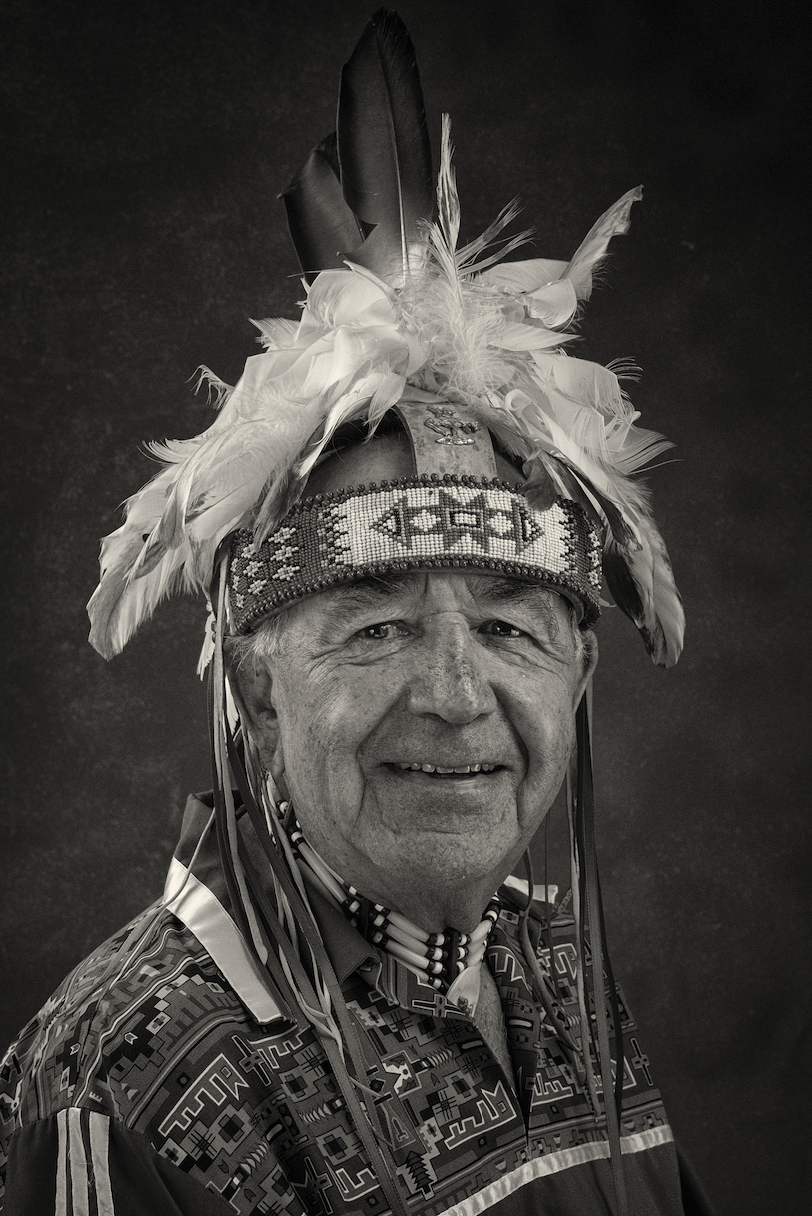
Leonard Bordeau may have retired more than 15 years ago, but he’s never slowed down. At 78, he remains active in Kahnawake—taking part in community activities, serving on the board of Sharing Our Stories, and continuing his efforts to preserve Kanien’kéha (Mohawk) language and culture.
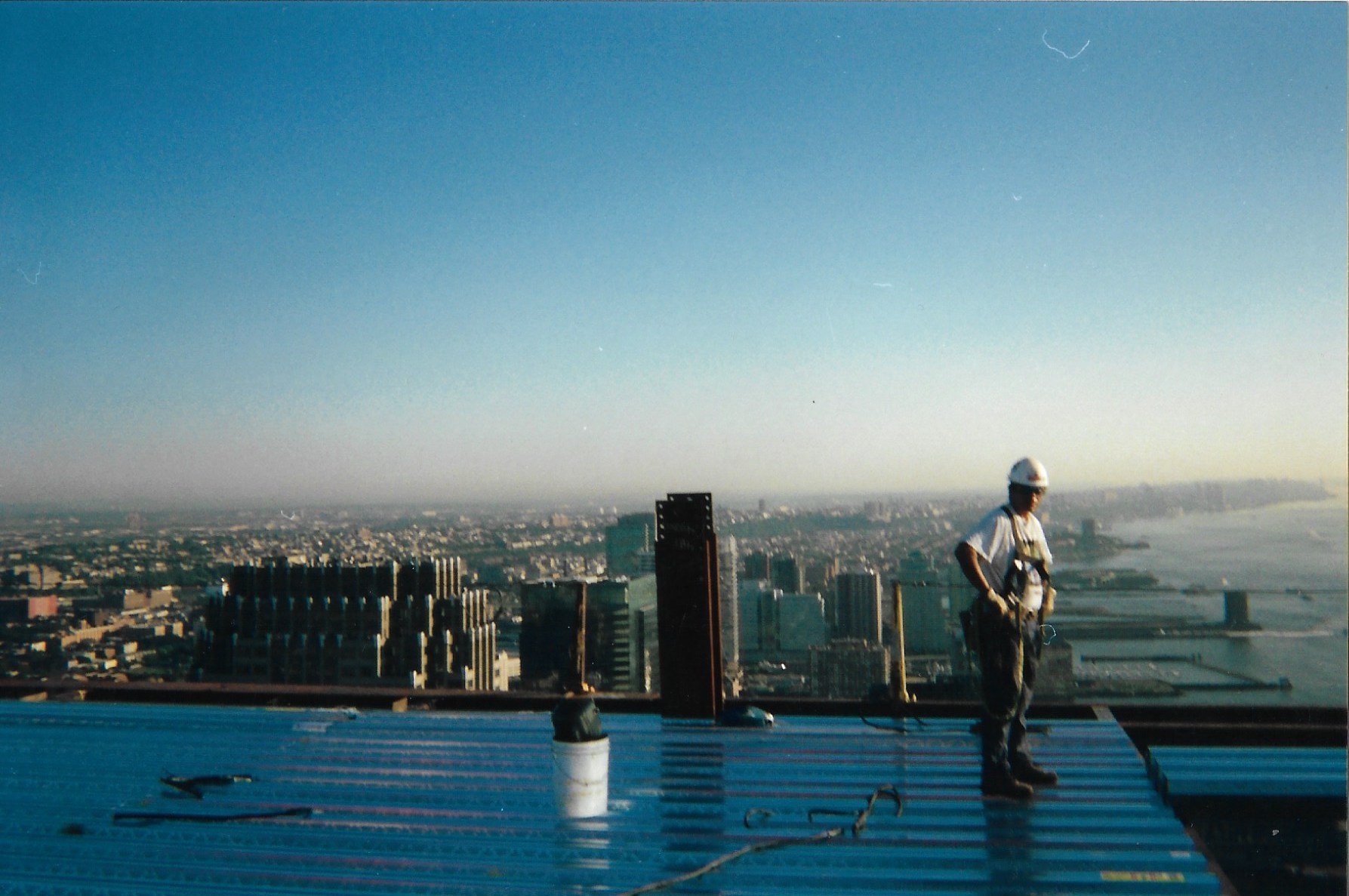
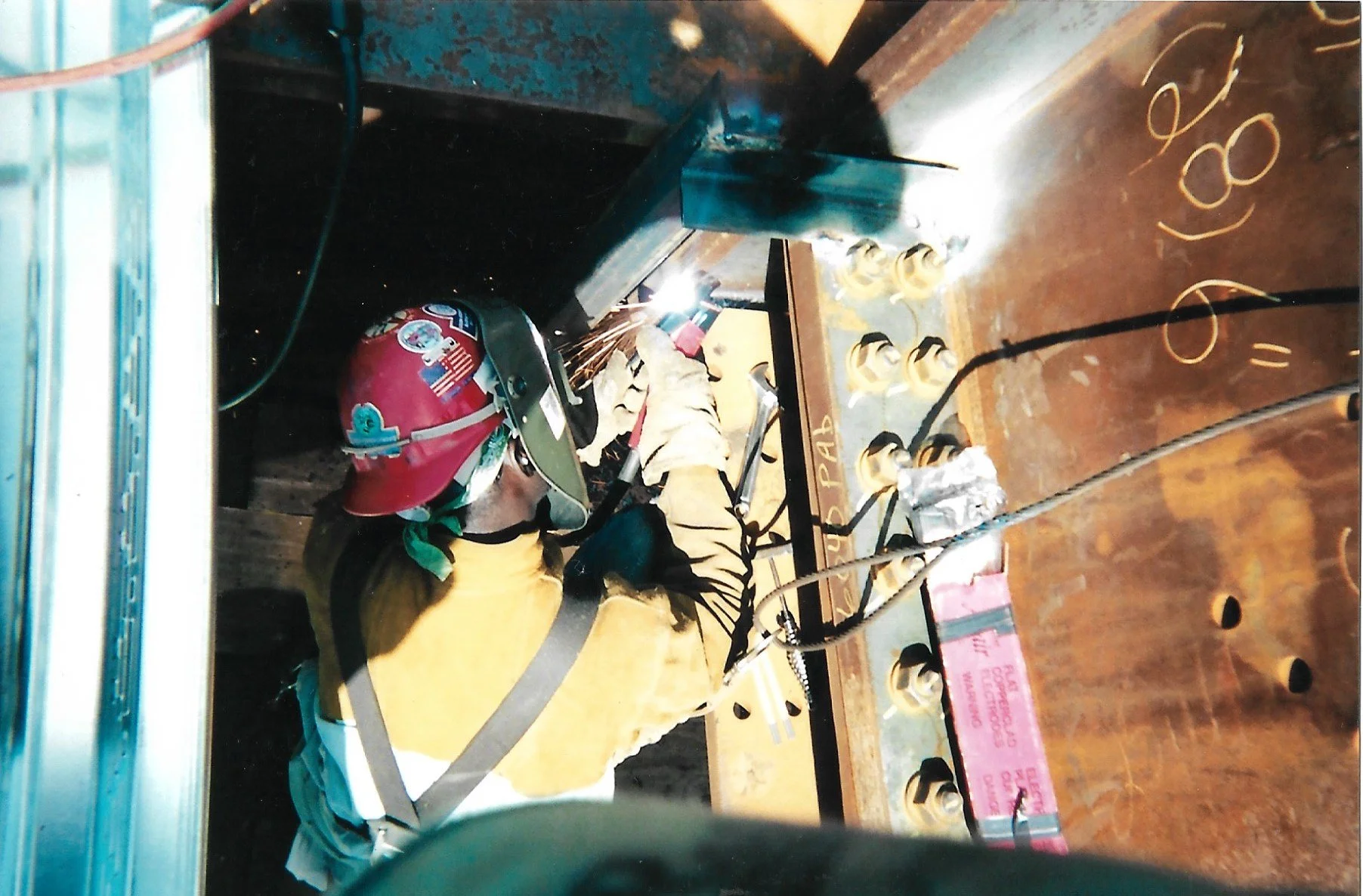
For many in Kahnawake, leaving home for work has always been part of life. Ironworking, in particular, offered both opportunity and necessity—building bridges, skyscrapers, and infrastructure across North America while supporting families back home.
That lifestyle came with sacrifice. Long weeks away, constant travel, and the risks of the trade were all part of the job.
“I would say it wasn't really a challenge to work outside of the community,” said Bordeau. “It’s more of a thing of having to leave family Sunday at 6 o’clock. We were used to always hitting the road, and then we’re there all week. There were many times when I really felt like just staying home, but when you have a family to support, there’s not much you can do, you have to go and do what you gotta to do.”
The work itself was demanding. Long drives to cities like New York—sometimes overnight—led directly into shifts with barely enough time for a quick meal. It was a pace and level of risk that stayed with workers long after their careers ended, and not everyone was suited for it.
Leonard began his journey young, apprenticing alongside his father. One of his earliest memories, from Boston in 1964, speaks less about the work and more about connection.
What made those moments unique was his language. In the middle of busy cities, conversations were shared in Kanien’kéha—something increasingly rare due to the impacts of colonization and residential schools.
Leonard remembers being welcomed into that circle as a young worker.

“I remember being just a young kid, I was 18 at the time and some of them didn’t know who I was. I go sit there and remember when one of the older ironworkers looked at me, and he asks me, in Mohawk, ‘do you speak or understand Mohawk?’ I said, ‘yes, I do.’ Well, then he said, come on, come sit with us, we’ll tell you some stories, and we’ll have a few laughs, and we’ll tell a few jokes, and you can blend right in with us.”
Even while working across cities like Detroit and New York, Leonard felt the absence of his own culture—but found ways to carry it with him. His journey later led him to powwows, where he became a dancer, embracing another expression of cultural identity.
“I learned to be respectful to the older men, because I learned from them, I learned from all of them, whomever I worked with, they used to take me aside, and show me what needs to be done, how you do this,” he said.
Today, Leonard continues to share those experiences, helping preserve the stories, language, and lessons of his generation through his work with Sharing Our Stories.