
Moving into the Treatment Center
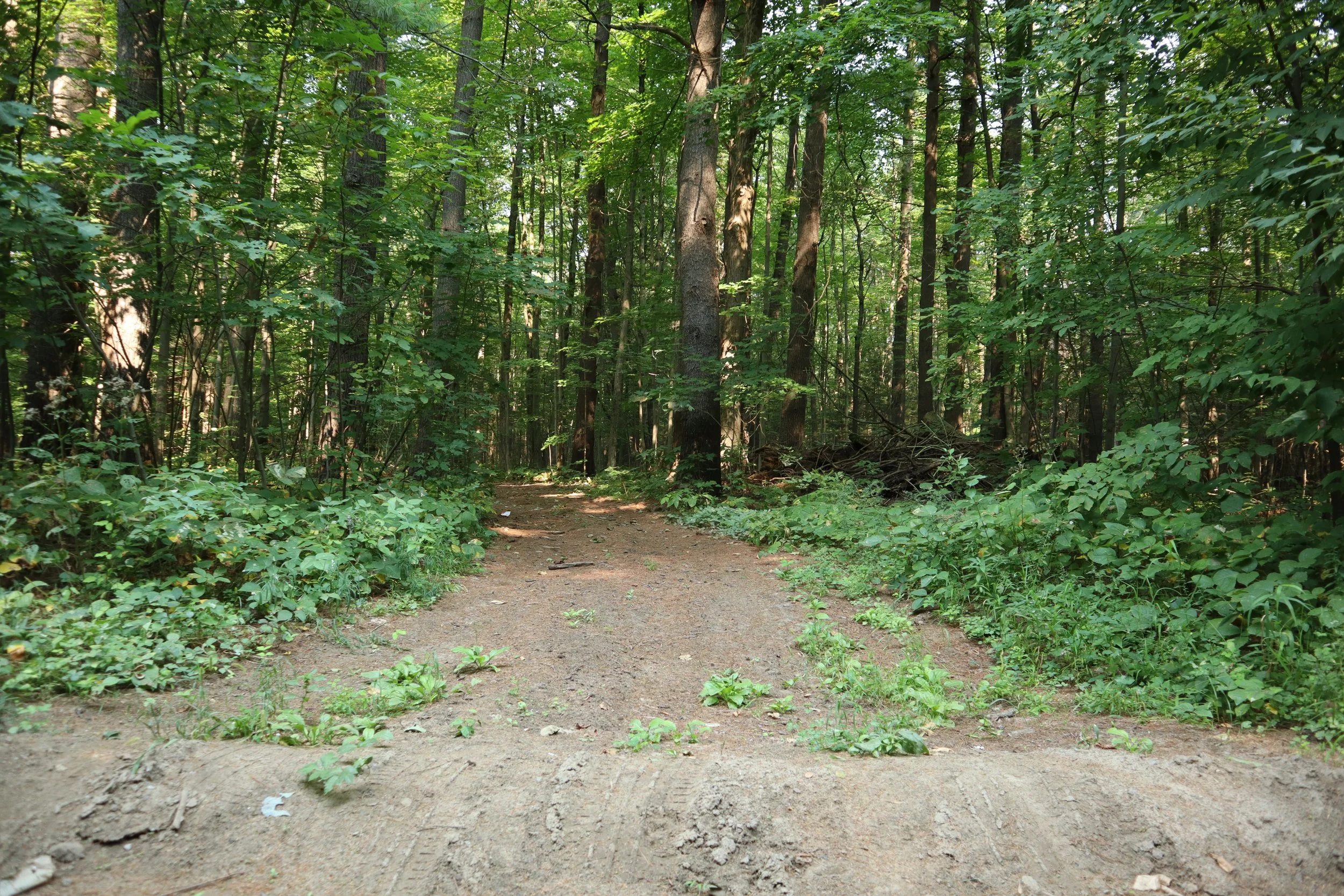
A shot of the Pines in Kanehsatà:ke. (Credit: Simona Rosenflield)
Story told by Joe Deom
I was one of the people from the Longhouse who was asked to go to Kanehsatà:ke, probably the second or third day after the crisis in 1990 had begun. Myself, Kenneth Deer, and people from the other surrounding Longhouses went to monitor and report what was happening.
We broke up into our three clans - bear, wolf, and turtle - and counseled with the Native Affairs Minister at the time, John Ciaccia, in a more traditional aspect.
Each day that we met with Ciaccia, we would tell him about the monstrosities that the SQ had been perpetrating. One day they would shut our water off, and then the next would be our power. Intimidating the residents of Kanehsatà:ke was a daily affair.
We grew to be very upset with Ciaccia because he would make promises but wouldn’t fulfill them. After a few days of negotiating, he brought a proposal from the Quebec government saying that if we opened up the bridges and roads and turned in our weapons, nobody from Kahnawà:ke would be prosecuted.
I thought, “Oh, that’s great, but what about the people from Kanehsatà:ke?” He told us he had no score on that, which meant that they were going to arrest the people of Kanehsatà:ke for the death of Corporal Marcel Lemay. So, we couldn’t accept that proposal, not on behalf of the people in Kanehsatà:ke.
After Ciaccia left, we thought, “What are we going to do now? We can’t go home; we have to stay and help these people. We can’t just leave them on their own devices or else the SQ is going to come in and raid them.”
We decided to stay with the clothes that we had on our backs and we moved into Kanehsatà:ke’s Treatment Center. I slept on the floor the first few nights. I was apprehensive because I kept thinking the SQ was going to raid us.
I said to myself, “What the hell did we get ourselves into?” I would wake up early in the mornings and be thankful that nothing had happened.
KANIEN’KÉHA VERSION
↓
KANIEN’KÉHA VERSION ↓
Ia'akwatáweia'te' Ne Tsi Iontatonhnhahseronnià:tha
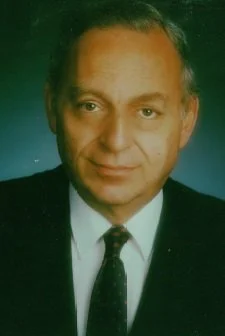
John Ciaccia had significant involvement as a negotiator in the 1990 Kanehsatà:ke Crisis, a position that had a subject of high debate from both sides of the conflict. (Photo was taken in the mid 1980s. Courtesy: Wikimedia Commons)
Joe Deom ROKÁ:RATON
Ì:'i tia'tarátie ne tsi nihá:ti Kanonhseshá:ka wahonwatirihwanón:ton'se' ne Kanehsatà:ke iahón:ne', ki' ónhte ne tewenhniserakéhton tóka'ni áhsen niwenhniserakéhton ié:kate shontontáhsawen' sha'thati'nikonhrhá:ren' ne 1990 nitiohserò:ten. Ì:'i, Kenneth Deer, tánon nó:ia aktóntie ratinákere kanonhseshá:ka eh ia'ákwe' wa'akwate'nikòn:raren' tánon wa'akwathroriánion' tsi nitiá:wenskwe'.
Áhsen niken'tá:rake na'tiakwátia'ke' - ohkwá:ri, okwáho, tánon a'nó:wara - tánon wa'akwatsénhaien' skátne ne Native Affairs Minister ohén:ton thrá:tahkwe neh shitkahá:wi, John Ciaccia, sénha orihwakaionhnéha tsi ní:ioht.
Akwé:kon tsi niwenhniserá:ke Ciaccia wa'tiakwatátken', wahshakwahró:ri' ki' tsi na'teiotenonhianíhton tsi nihatiiéhrhahkwe ne SQ. Sewenhnísera shos enionkhihnekahnhó:ton'se, sok nó:ia sewenhnísera enionkhiia'swáhten'. Kwah thia'tewenhniserá:ke eh na'á:wen' wa'tehshakononhnharíkhon' ne Kanehsata'kehró:non.
Kwah tokèn:'en wahshakwanà:khwa'se' ne Ciaccia áse' kenh nia'té:kon enhahrharatstánion' nek tsi kwah iah othé:nen thaharihwaieríthon'. Ohnà:ken tohkára nón:ta sha'tiakwahthá:ren' norihwà:ke, rarihwenhá:wi tsi nahò:ten Quebec kakoráhsera rotirihwahrátie' tsi tóka' eniakwahnhotonkohá:ton' tsi waskwahrónnion' tánon tsi iohaténion tánon ieniakwaion'tánion' onkwá:wen tiontatehnhéstha tsi iah ónhka ne Kahnawa'kehró:non thahshakotirì:wenhte'.
Wa'kì:ron' ake'nikòn:rakon, "O, niioiánere thí:ken, nek tsi ok ne Kanehsata'kehró:non?" Wahshonkwahró:ri' tsi iah othé:nen thieionkwahiá:ton eh nón:we, ne ki' kén:ton tsi tehshakotinentsterénkhe ne Kanehsata'kehró:non tsi wahrénheie' ne Corporal Marcel Lemay. Ne ki', kwah iah thaionkwarihwanonhwè:'on thí:ken, kwah iah ne Kanehsata'kehró:non raotirihwà:ke.
Shonsahatoriáhtihte' ne Ciaccia wa'ákwehre', "Oh kwah nitsitewatierà:ne ó:nen? Iah thaón:ton aonsetewahtén:ti', entà:'on kén:tho eniakwanákereke' tánon eniethiié:nawa'se kí:ken. Iah thaón:ton kheh thaontaiethiiátkahwe' ia'tahatiia'tí:take' áse' kenh tó:kenske enthontáweia'te' ne SQ tánon thenhshakotinenhrénhten'."
Ia'tionkwarihwaién:ta'se tho aiakwanákereke' aionkwatstonhátie tsi nahò:ten' ó:nen shiionkwátston' tánon eh ia'akwatáweia'te' ne Kanehsatà:ke tsi iontatonhnhahseronnià:tha nonkwá:ti. Tiotierénhton tohkára niwahsón:take oswen'karà:ke onkí:ta'we'. Wákhteron'skwe áse' kenh kanonhtonniónkwaskwe tsi SQ thiionkhinenhrenhtennì:re.
Wa'kì:ron' ake'nikòn:rakon, "Oh kwah nontkon'serò:ten' wetewatatia'táta'?" Ohrhon'késtsi shos enkatkétsko' tewakatenonhweratóntie tsi iah othé:nen teiawèn:'en.
Edited by: Kassidy Jacobs, Local Journalism Initiative Reporter
Translated by: Karonhí:io Delaronde