
American quarters
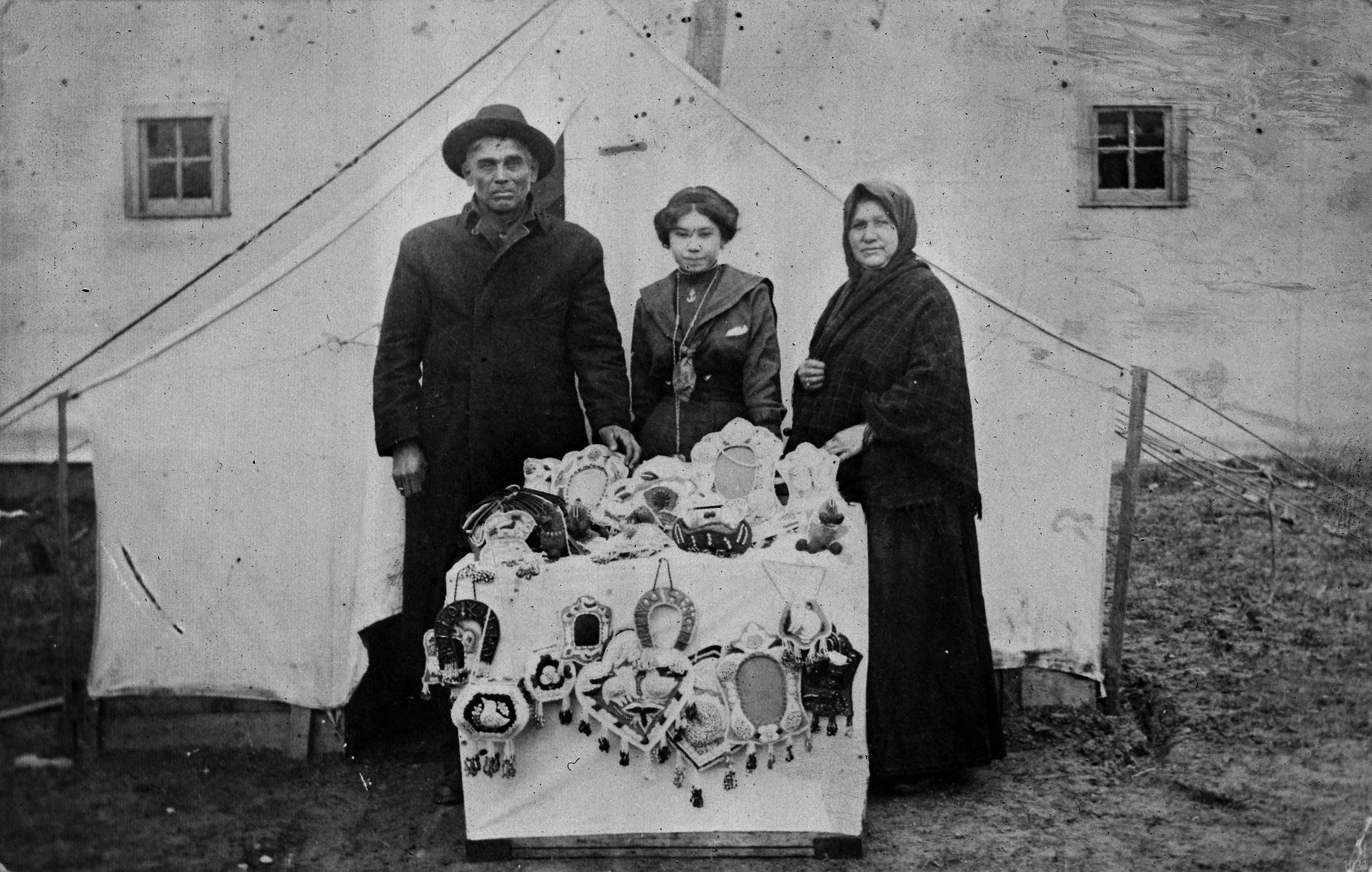
(Courtesy: Kanien’kehá:ka Onkwawén:na Raotitióhkwa Language and Cultural Center)
Story told by Arthur Diabo
The tourists used to come in buses from Montreal, and they’d go to church to see Kateri’s relics. That was the big draw. The girls used to sell all kinds of beaded souvenirs, and we used to sing Indian songs for nickels and dimes.
If my mother caught us singing Indian songs at the church, we got a beating because she said, “I don’t want to see you begging.” We weren’t begging. We sang for that.
I learned the Indian songs from the other kids. I could only get so far, and the other kids would finish it off because they knew the whole song. We all sang together and then the tourists would throw their nickels and dimes.
One Sunday, I took my brother to the chip stand that was next to the church. We were walking back towards the church and there was a big bus with all of these people. We must’ve looked pitiful because there were American quarters flying out of the window.
I told my brother, “Pick up those quarters; they’re American quarters, they’re worth a lot!”
You could see the sadness on their faces because we must have looked so poor, and they were trying to help us. We didn’t feel poor, though.
Quarters were a lot of money. That was like a five-dollar bill today, maybe more.
KANIEN’KÉHA VERSION
↓
KANIEN’KÉHA VERSION ↓
Wastonhnéha Teréntsho
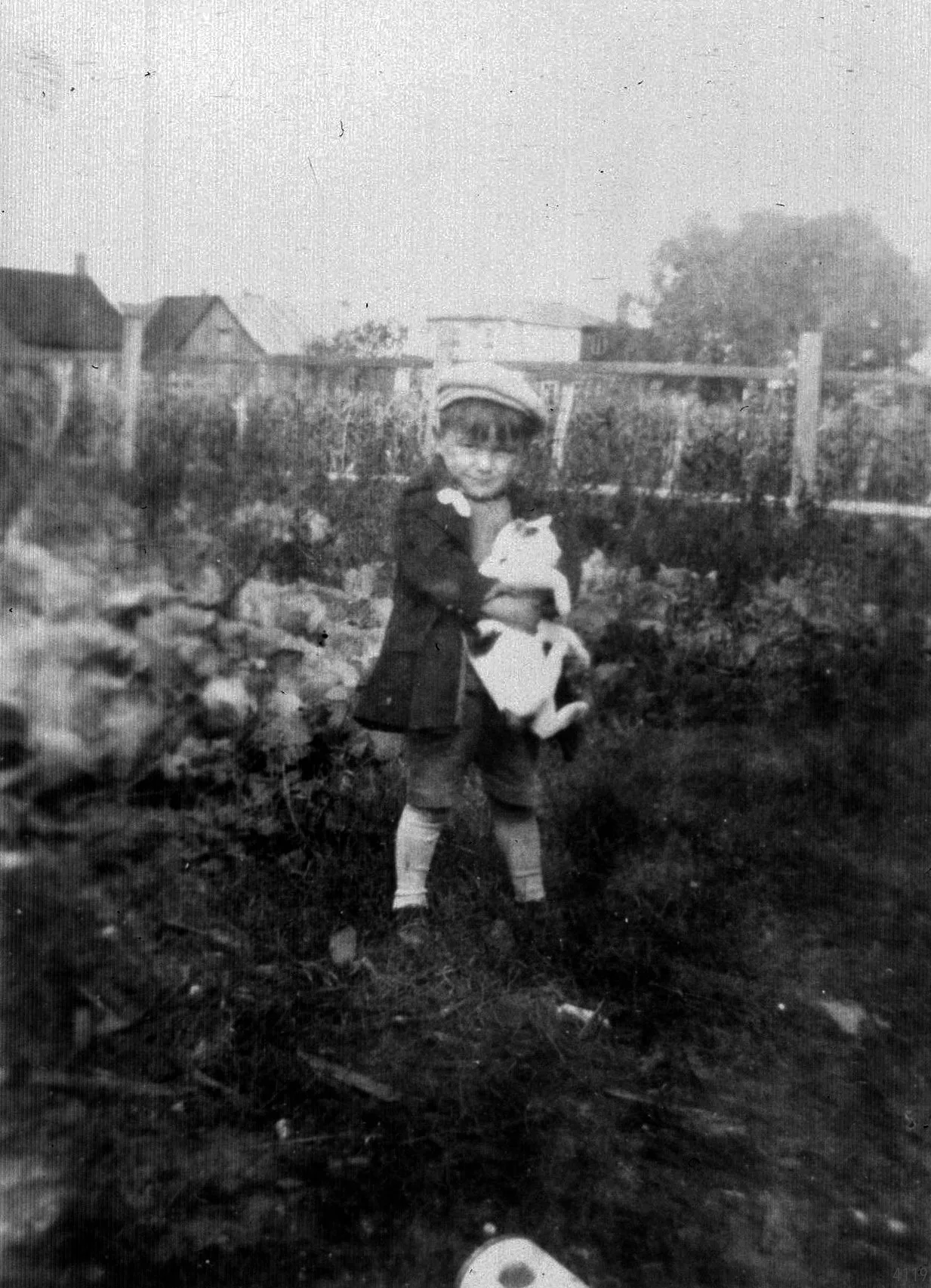
(Courtesy: Kanien’kehá:ka Onkwawén:na Raotitióhkwa Language and Cultural Center)
Story told by Arthur Diabo
Tiohtià:ke shos nenthón:ne' iakoia'takarénie's ratiia'titáhkhe' ne ronnonhontsó:ren's tánon' tsi ionterennaientáhkhwa' ienhón:ne' nahontkáhtho' ne Katerí: akó:wen aká:ion iakehiahrástha'. É:so taionkwe'tatirón:ten' thí:ken. Enkontenhní:non' nia'té:kon tekatsi'nehtará:ron iakehiahrástha' tánon' onkwehonwehnéha eniakwaterennó:ten' tsi wísk sén:ts tánon' oié:ri sén:ts enionkhikária'kse'.
Tóka' onkwa'nisténha enionkhihá:ra'se' tsi onkwehonwehnéha na'karennò:ten's iakwarén:note' ne tsi ionterennaientáhkhwa', enionkhinonhwenhserário' ase'kén wa'ì:ron', "Iah té:kehre akwá:ken' tsi tesewatsharí:tes." Iah tha'teiakwatsharí:teskwe'. Khé:ken wa'akwaterennó:ten' eh nón:we aorihwà:ke.
Nó:ia' ratiksa'okòn:'a ionkerihonnién:ni tsi wa'keweientéhta'ne' thí:ken onkwehonwehnéha na'karennò:ten's. Nek ken'k niió:re' enkkwé:ni' tánon' thí:ken ronátia'ke' ratiksa'okòn:'a enhatíhsa' ase'kén ronónha ratirennaienteríhne' karennakwé:kon. Ohserón:ni wa'akwaterennó:ten' tánon' thò:ne thí:ken ronnonhontsó:ren's enthoná:ti' raoná:wen wísk tánon' oié:ri sén:ts.
Énska shiiawentatokénhton, iohnenna'táthen tsi teietástha' iahiia'ténhawe' ne iatiatate'kèn:'a néne tsi niká:ien' ákta tsi ionterennaientáhkhwa' tká:tahkwe'. Tsi ionterennaientáhkhwa' saionkeniiera'tonhátiene' tánon' ka'serehtowá:nen iakoia'takarénie's ka'seréhtaien' kwah tetionkwe'táhere'. Á:ienhre' iotatitèn:ra't tsi niiakeniia'to'ténhne' ase'kén thí:ken wastonhnéha teréntsho tsi tkanastonhkwatárion thonátie's.
Wahihró:ri' iatiatate'kèn:'a, "Tesehkwánion thí:ken teréntsho; wastonhnéha teréntsho thí:ken, iawe'towá:nen sha'tékena'!"
Kwah wè:ne' tsi niió:re' tsi roti'nikonhráksens tsi nihatikonhsò:ten ase'kén tó:k niiotatitèn:ra't iá:ken niiakeniia'to'ténhne', tánon' wahonte'nién:ten' aionkhiié:nawa'se'. Sa' ne iah teiakenéhrhahkwe' tsi ionkení:ten.
É:so sha'tékenahkwe' ne teréntsho. Kwah tsi ní:ioht ne skanakè:ta wísk nikahwístake watahsé:tas nòn:wa, tóka' nòn:wa ísi' nón:we.
Written by: Melissa Stacey, Local Journalism Initiative Reporter
Translation by: Karonhí:io Delaronde