
Years in Brooklyn
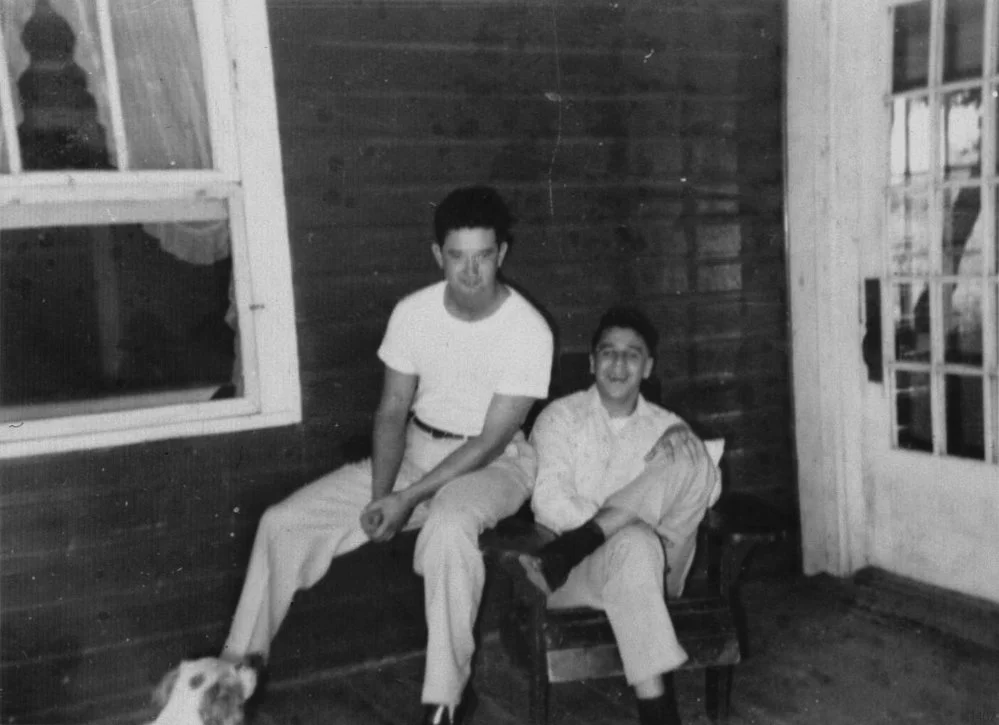
(Courtesy: Kanien’kehá:ka Onkwawén:na Raotitióhkwa Language and Cultural Center)
Story told by Arthur Diabo
I really didn’t want to go to Brooklyn; that’s a rite of passage at 12 years old. At the time, I was leaving the formative years.
I lived life on the reserve but now I’m in the big city. Everybody’s trying to hustle you and take your money and whatever you have on you.
I was in my teens when I grew up there. We lived in a little area, called Little Caughnawaga. There were Indians everywhere in downtown Brooklyn. We didn’t live next to each other, but we all lived in a big area.
There were a lot of other Mohawks there and I knew them. They were my friends from Kahnawà:ke.
I met one close friend in the lunch line at school. He tapped me on the shoulder and I said, “Oh my god!”
It was Donald Cross.
I was in the public school system and got to meet a lot of different people. It was a whole new system that you had to adapt to. It was a lot different from Catholic School here in Kahnawà:ke.
You had to fight because if somebody’s bullying you and you don’t fight back, you’re classified a punk and everybody takes advantage of you. If you fight back that means you got a little bit of heart and then you’re acknowledged and accepted.
KANIEN’KÉHA VERSION
↓
KANIEN’KÉHA VERSION ↓
Tsi Niiohserá:ke Ne Brooklyn Nonkwá:ti
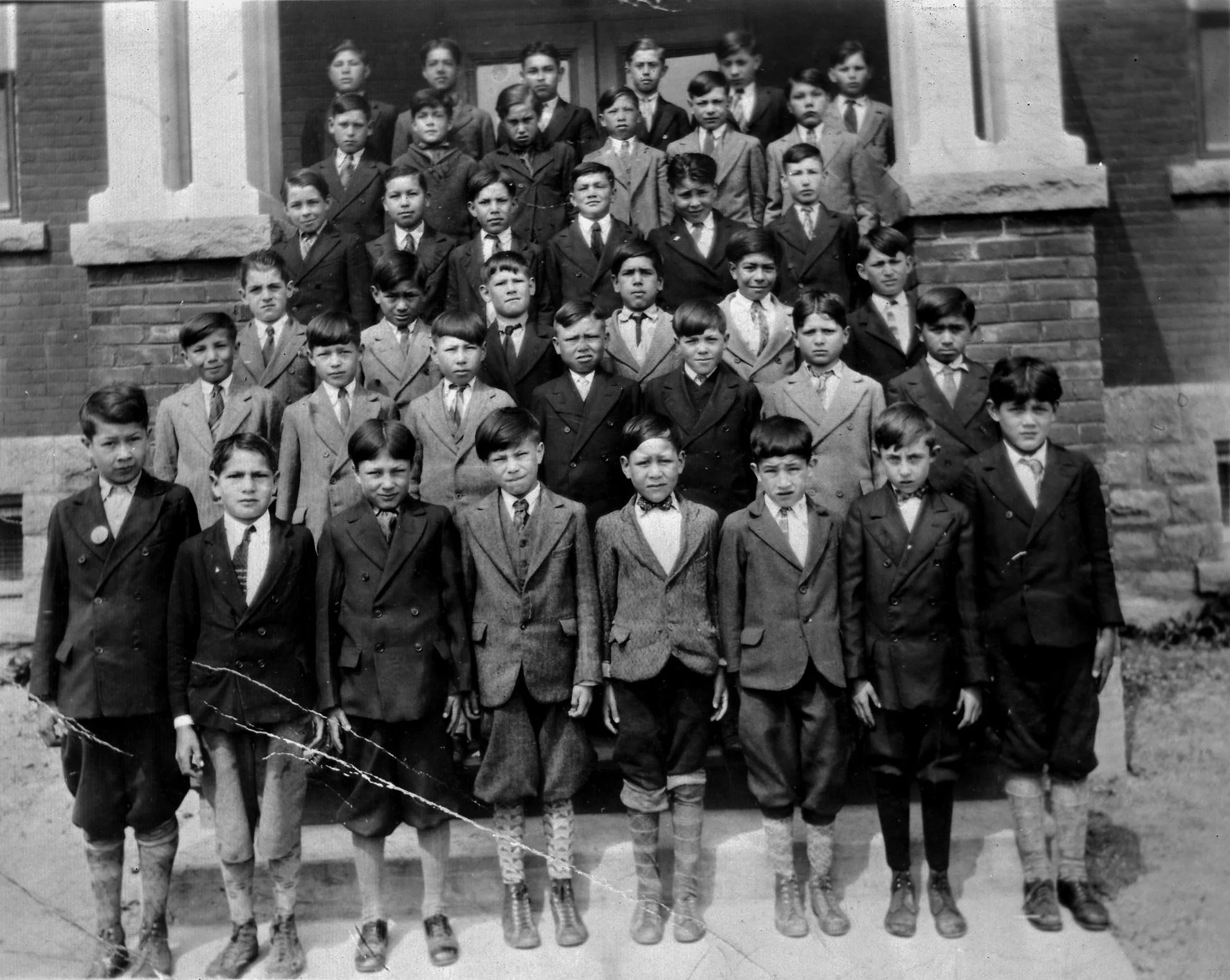
(Courtesy: Kanien’kehá:ka Onkwawén:na Raotitióhkwa Language and Cultural Center)
Story told by Arthur Diabo
Iah kwah tekaská:nekskwe Brooklyn iá:ke' ; teiontawenhrátstha nen' nè:'e nó:nen ónhkak 12 enieié:rite'. Eh shitkahá:wi, é:ren shikehtà:ne ne ieksà:'a tsi niionte'nikonhratehià:rons.
Tsi kanonstá:ton tewakatehià:ron nek tsi nòn:wa kanatowanèn:ke skì:teron. Kwah akwé:kon ionte'niéntha aiesa'nikonhrhà:ten' tánon aiesanénsko' sahwísta tánon othé:nen nahò:ten íhshawe.
Iawén:re tewatién:tahkwe shitewakatehiahróntie eh nón:we. Ken' niwatenatà:'a tsi nón:we tiakwen'terón:tahkwe, Little Caughnawaga konwá:iats. Kwah tsik nón:we ratinákerehkwe ne Onkwehón:we ne kanáthen nonkwá:ti ne Brooklyn. Iah tha'teiakwanonhsanekèn:ne wáhi nek tsi akwé:kon watenatowá:nen nonkwá:ti iakwanákerehkwe.
É:so rá:ti ó:ia Kanien'kehá:ka eh thatinákerehkwe tánon kheienterì:ne. Onkwatén:ro kèn:ne thí:ken néne Kahnawà:ke nithonenónhseron.
Shaià:ta eh nón:we riientehrhà:'on tsi ionterihwaienstáhkhwa nonkwá:ti shiionkwanenhrahserón:ni taiakwatskà:hon'. Wahakhnenhsáia'ke' tánon wa'kì:ron', "Ótkon!"
Donald Cross nen' nè:'e.
Kentiohkwa'kéha tsi ionterihwaienstáhkhwa tià:tarahkwe tánon ón:ton' é:so rá:ti thihonnonkwe'taténion wa'kheientéhrha'ne'. Kwah nè:'e ne á:se watenonión:ni kèn:ne néne entà:'on enhserèn:nha'. É:so tsi tetiattihèn:ne ne Teieiahsóntha Tsi Ionterihwaienstáhkhwa ne kén:tho Kahnawà:ke nonkwá:ti.
Entà:'on wahsaterí:io' áse' kenh tóka' ónhkak iesátkonte tánon iah thaontaiesanà:khwen', atenonhwénhsera eniesón:ni' tánon akwé:kon eniesatié:sahte'. Tóka' entisanà:khwen' ne ki' kén:ton tsi ostón:ha sahkátste sok thò:ne teniesanonhwerá:ton' tánon eniesaié:na'.
Edited by: Melissa Stacey, Local Journalism Initiative Reporter
Translation by: Karonhí:io Delaronde