
514 Atlantic Avenue
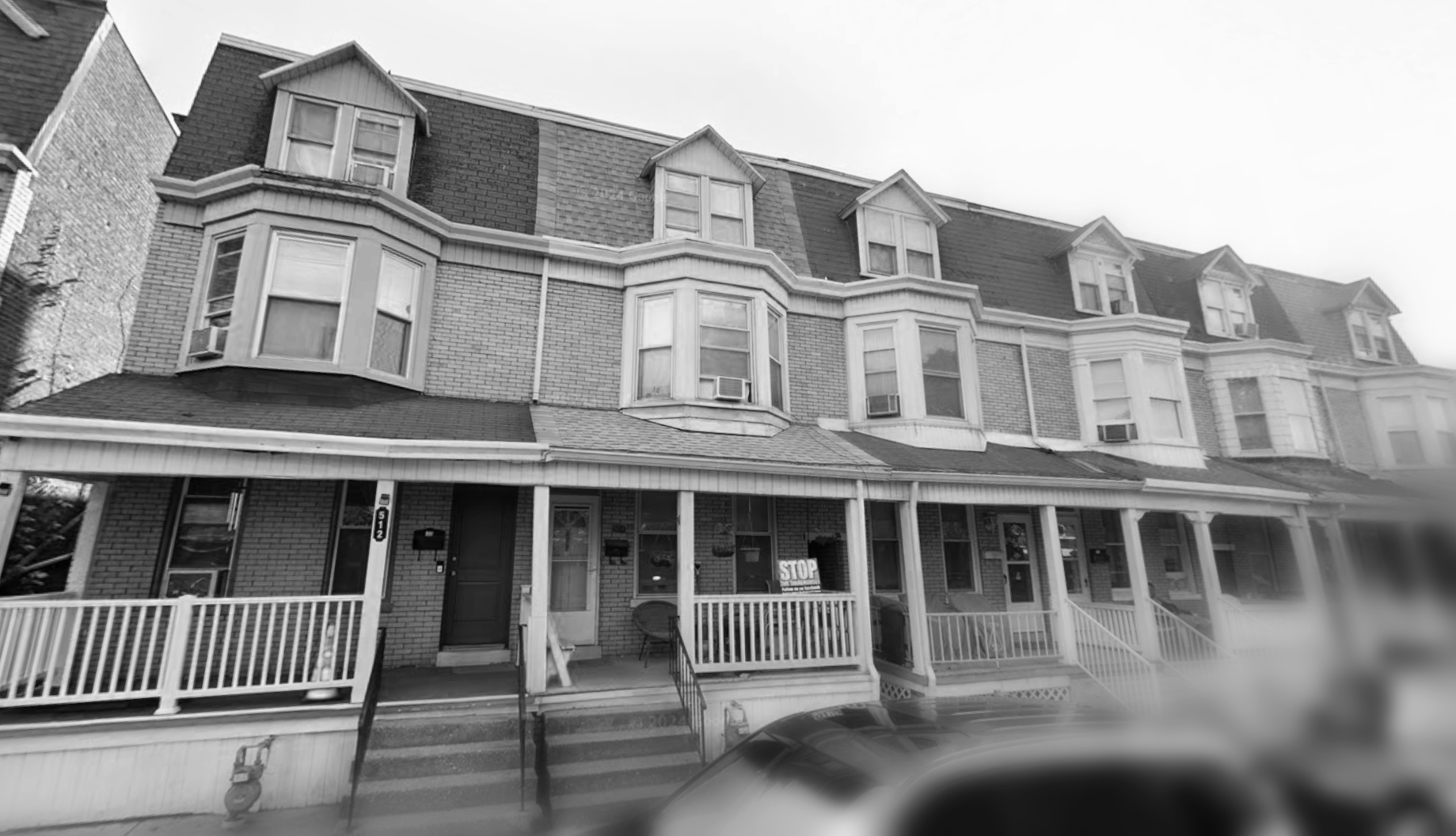
Second from the left, a small, yellow door stands as the entrance to appartment 514, Atlantic Avenue. Circa 2024. (Courtesy: Google Maps)
Story told by Arthur Diabo
In the early 1960s, my father was an ironworker on the Verrazano-Narrows Bridge. At the time it was the world’s largest expansion bridge, and it connects Brooklyn to Staten Island. He was working on the bridge 10 hours a day, seven days a week.
He never came home to Kahnawake.
My mother decided one day that we’re going to live in Brooklyn, and she packed all of our belongings. In those days we didn’t have luggage, we had paper shopping bags.
We got on the bus, went down to the train station, and got on the train to New York City. Five kids and my mother. It was the first time we ever got on a train.
When we got to Brooklyn, my father was waiting at the train station. At the time he had a two-room apartment. We were all cramped in there. The only advantage to this arrangement was that we had running water and a flush toilet. We didn’t have to deal with the outhouse anymore and everybody could take a bath.
About a week or two later my mother found a bigger apartment. We moved three times till we found the one that suited us on 514 Atlantic Avenue.
While we were living in Brooklyn, I would bring my friends home, and my mother and father would converse in a different language. My friends would ask me, “What are they saying?” because they never heard this language before.
My parents spoke Mohawk.
Across the street was the Spar Bar. If you want to hear Mohawk any time of the day or night, just go in there and you’ll hear Mohawk.
Around the corner was the Wigwam Bar. Same thing. All Mohawks in there. Around the other corner was Mahoney’s. There were a lot of bars in Brooklyn that catered to our ironworkers.
There was a lot of ironwork in New York City. That’s why there were so many Mohawk families throughout Brooklyn, Queens, and Staten Island.
My mother used to put up all the families that would come to Brooklyn. She’d invite them up to our apartment. She cooked for them and we’d have a feast.
If some didn’t have a place to stay, I went to stay at my friend’s house so that they could sleep in my bed.
We had our cornbread and steak on Sundays. My mother would tell me, “Go across to the Spar Bar and get your uncle. Tell him the cornbread’s ready.”
While he came in, so did three other guys. We always had food for everybody.
KANIEN’KÉHA VERSION
↓
KANIEN’KÉHA VERSION ↓
514 Atlantic Avenue
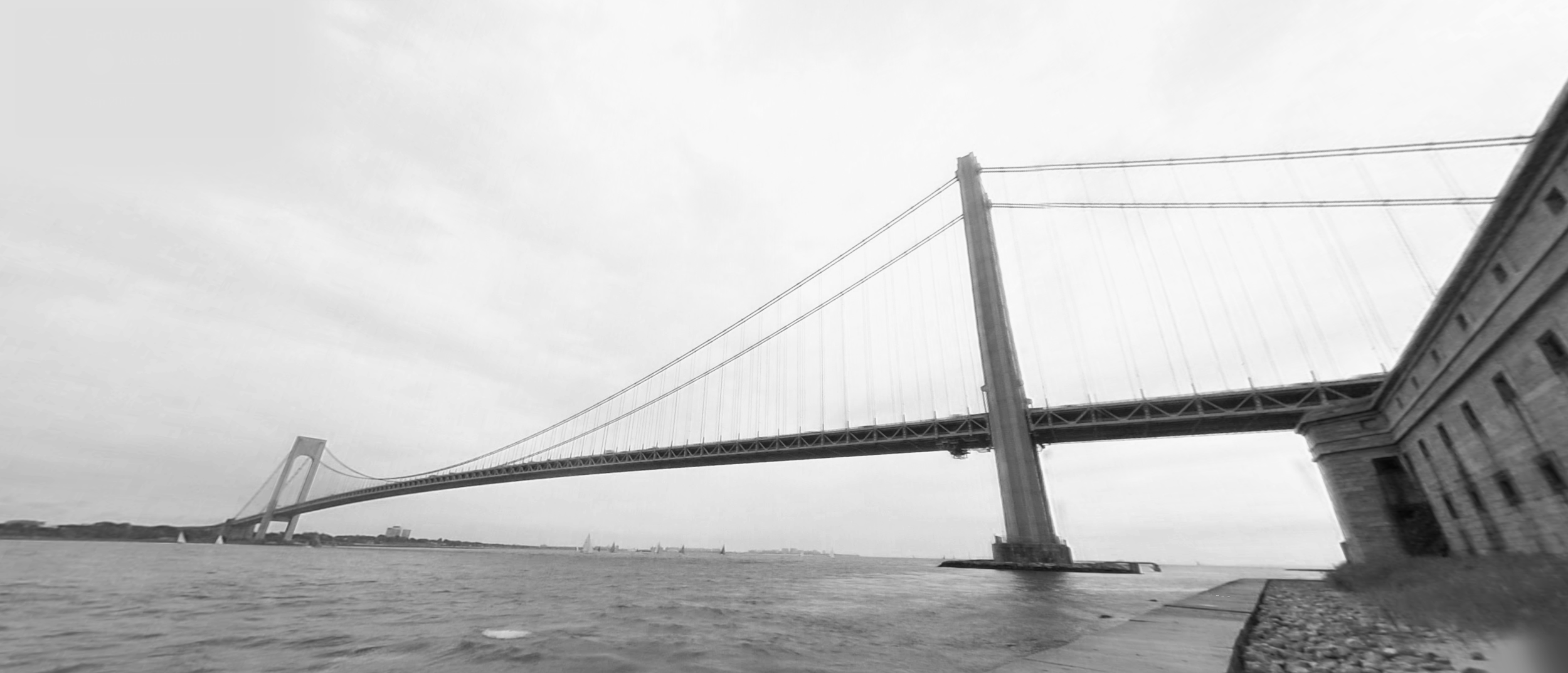
As seen from the Fort Wadsworth end, the Verrazano-Narrows Bridge extends far to reach Brooklyn’s shores. (Courtesy: Google Maps)
Arthur Diabo ROKÁ:RATON
Iosnó:re nonkwá:ti ne 1960 nitiohserò:tens, karista'kehró:non kèn:ne ne rake'níha ne Verrazano-Narrows waskóhon nonkwá:ti. Ne ki' ne naonhà:'a tkowá:nen tekaronhkwè:nare waskóhon kèn:ne neh shitkahá:wi, tánon teiotíkhas ne Brooklyn tánon Staten Island. Oié:ri nenkahwistà:'eke ne sewenhnísera enhoió'ten', tsá:ta niwenhniserakehátie thia'teiahia'kserá:ke.
Iah nonwén:ton Kahnawà:ke tha'tethawé:non.
Ia'tiakorihwaién:ta'se nake'nisténha sewenhnísera tsi Brooklyn nonkwá:ti wa'akwatiénhne, tánon wa'ehrie'nonniánion' akwé:kon nonkwawen'shòn:'a. Iah teionkwaién:tahkwe iehrie'nata'ástha neh shitkahá:wi, nek kahiatónhsera iontkehrontakwáhtha ká:iare ionkwaién:tahkwe.
Iakoia'takarénies wa'akwatíta', eh ia'ákwe' tiio'kéha tsi tetkatástha, tánon tiio'kéha wa'akwatíta' Kanón:no na'akwaié:ra'te'. Wísk nikaksà:take tánon ake'nisténha. Nè:'e tontié:renhte' tiio'kéha wa'akwatíta'.
Brooklyn sha'ákwawe', eh tiio'kéha tsi tetkatástha rohrharátie ne rake'niha. Tékeni teionáktaien tsi iontientáhkhwa roién:tahkwe eh shitkahá:wi. Kwah wa'akwata'tsò:roke' eh nón:we. Nek wa'onkwatera'swiiósten' tsi ken' ní:tsi kakwatákwen ne ki' tsi iothnekahténtion tánon ieiehnekénhtha átste ienhtáhkhwa anitskwà:ra ionkwaién:tahkwe. Kwah iah tha'tetsotonhontsóhon aiákwatste' ne átste ienhtáhkhwa ne átste nonkwá:ti tánon ón:ton akwé:kon wa'akwatá:wen' ka'náhkwakon.
Ákta tsahià:ksera tóka'ni teiahia'kserá:ke ohnà:ken ake'nisténha sénha kowá:nen tsi iontientáhkhwa wa'etshén:ri'. Áhsen na'tiakwaná:tahkwe' tsi niió:re wa'akwatshén:ri' énska néne kwah wa'onkwaia'táweienste' 514 Atlantic Avenue nonkwá:ti.
Brooklyn shiiakwanákere, entekheia'ténhawe' shos nonkwatenro'shòn:'a tánon ake'nisténha tánon rake'niha thikawén:nate enhiatewennón:tahkwe' tsi tenhnihthá:ren'. Onkwatenro'shòn:'a enionkerihwanón:ton'se', "Oh nahò:ten iá:ton?" áse' kenh iah nonwén:ton tehonahrón:ken ne ken' na'kawennò:ten nohén:ton.
Kanien'kéha iahrónkhahkwe ne iontièn:'a.
Spar Bar tkanónhsote nísi' na'ohátati. Tóka' íhsehre thikawenní:io kátke tsi niwenhníseres tóka'ni tsi niwahsón:tes ensathón:te'ne' Kanien'kéha, eh ki' ia'satáweia'te tánon tó:kenske Kanien'kéha ensathón:te'ne'.
Wigwag Bar tkanónhsote ísi' na'kahióhsati nonkwá:ti. Kwah sha'té:ioht. Kanien'kehá:ka tethatinenhráhere eh nón:we. Mahoney's tkanónhsote nó:ia ísi' na'kahióhsati nonkwá:ti. É:so tsi ionthnekahráhkhwa ne Brooklyn nonkwá:ti wahshakotí:nonte' nontionkwe'ta'shòn:'a ratirista'kehró:non.
É:so kaio'tenhseranákerehkwe ne karistà:ke aiakoió'ten' ne Kanón:no nonkwá:ti. Nè:'e tiorì:wa tsi é:so Kanien'kehá:ka kahwatsí:raien ne Brooklyn, Queens, tánon States Island nonkwatíhson.
Ake'nisténha shos enhonwatinonhsótha'se' akwé:kon tsi nikahwatsí:rake Brooklyn enthón:ne'. Enhonwatihón:karon' tsi ionkwanónhsote enthón:ne'. Wahonwatikhónnien' tánon akwé:kon eniakwatekhón:ni'.
Tóka' ótia'ke iah teiakó:ien tsi nón:we aióntien', ontiatenrò:ke ienkanòn:wete' ne ki' enwá:ton akenaktà:ke enhotí:ta'we.
Kana'tarohkhón:we tánon o'wà:ron eniákwake' ne Tsatáhkhaton niwenhniserò:tens. Enionkhró:ri' nake'nisténha, "Spar Bar iahà:se ísi' na'oháhati tshehnónksa ianonhà:'a. Tshró:ri tsi ió:ri ne kana'tarohkhón:we."
Tsi tahotaweia'tonhátie, ne ó:ni ó:ia áhsen nihá:ti ronnón:kwe tahatiia'tarátie. Tió:konte ionkwakhwaién:tahkwe ne akwé:kon á:ienke'.
Edited by: Melissa Stacey, Local Journalism Initiative Reporter
Translation by: Karonhí:io Delaronde