
We are not alone
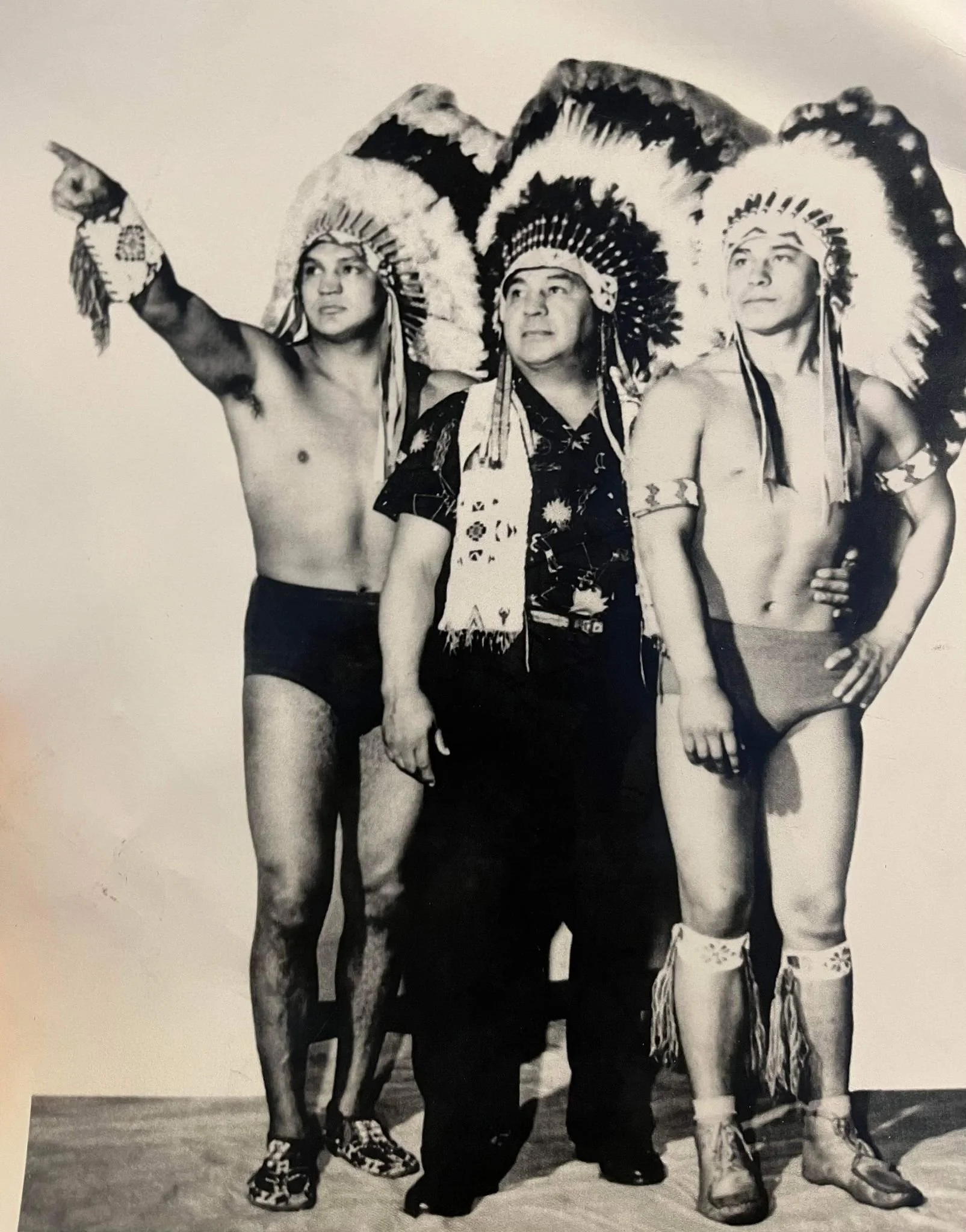
(Courtesy: The family of Billy Two Rivers)
Story told by Nick Huard
When I was in rez school, about a month after they took us away from home, they told us that there was a big sickness and that everybody back home died. And back home, they told them that we were dead from an epidemic - which was all bullshit.
We weren’t allowed to watch TV, that was only for white kids. So, we would climb the fence, and we could see through their window and watch TV.
One day, it’s a wrestling show on TV. And who did we see? Billy Two Rivers. I said to my friend Pete, “We are not alone. I gotta find this guy.”
When I came back, I still had in mind to find him. I knew he was a wrestler.
I met, as a fluke, Édouard Carpentier, who was a French wrestler that would fight with Billy back then. He said, “Yeah, he’s Mohawk. I think he lives in Kahnawake.”
So, I went to Kahnawake, asked around and met him. I told him I’d been looking for him, I told him the story. We cried, we laughed.
Just to be in his presence, you would walk away with a smile on your face. Or in my case, I’d say, “He’s crazier than I am!” And I love that.
You couldn’t help but love Billy.
He reached me all the way from rez school. To see him gave us hope.
KANIEN’KÉHA VERSION
↓
KANIEN’KÉHA VERSION ↓
Iah Ontionhà:'ak Té:ken
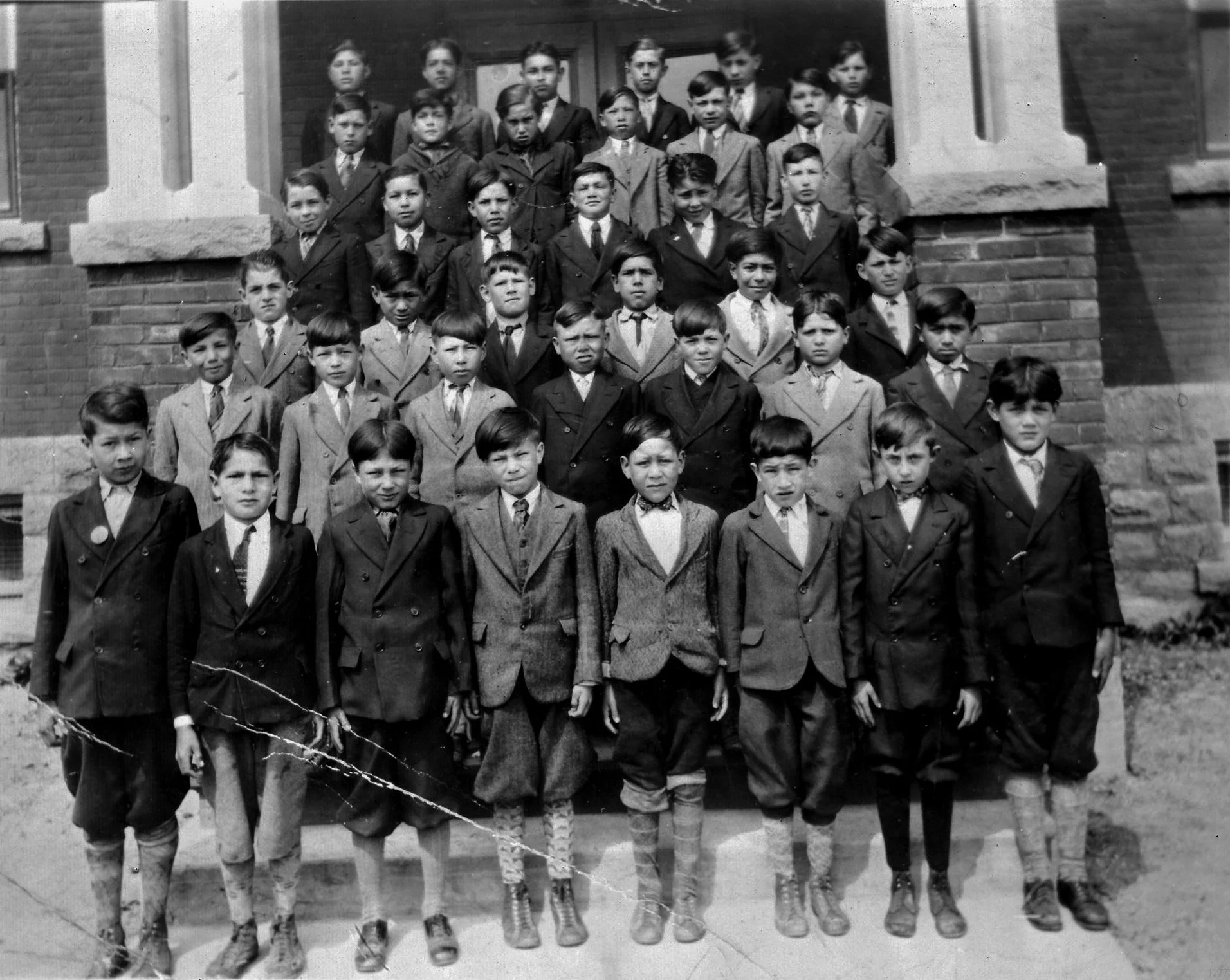
(Courtesy: Kanien’kehá:ka Onkwawén:na Raotitióhkwa Language and Cultural Center)
Nick Huard ROKÁ:RATON
Shikateweiénstha ne onkwehon'kéha tsi ionterihwaienstáhkhwa, ákta sewenhnì:ta ohnà:ken sha'tionkhikháhsi' tsi niiakwen'terón:ton, wa'onkhihró:ri' tsi kahnhrowá:nen kahnhratarí:neskwe' tánon akwé:kon ronenheiónhseron tsi tiakwen'terón:ton. Tánon ne tsi tiakwen'terón:ton, ronwatihró:ri tsi kahnhratarí:nes ionkwarióhton - kwah tekarihwakwénhtehkwe thí:ken.
Iah teionkhirihwá:wi naiakwaterò:roke' tká:ra's, nek ratihnakén:ra ratiksa'okòn:'a ronwatirihwá:wi. Ne ki' teniakwaten'enhrawèn:rate shos tánon tsi thonatenastonhkwatárion eniakwatkáhtho tánon eniakwaterò:roke' tká:ra's.
Sewenhnísera thí:ken, tehontatié:nas thatiià:tara's tká:ra's nonkwá:ti. Tánon ónhka iethiiatkáhthon? Billy Two Rivers. Wahihró:ri' nontiatén:ro Pete, "Iah ontionhà:'ak té:ken. Entà:'on enhiia'tatshén:ri' kí:ken rón:kwe."
Shonsá:kewe', shé:kon kanonhtonniòn:re ahiia'tatshén:ri'. Wakaterièn:tarahkwe tsi tehatatié:nas. Wa'tiatiatátken', thonkenenhrénhten', Édouard Carpentier, O'serón:ni tehatatié:nas kèn:ne néne Billy shos tenhiatatié:na neh shitkahá:wi'. Wahèn:ron', "Tó:kenske, Kanien'kehá:ka nahaia'tò:ten. Kwah í:kehre Kahnawà:ke thanákere.""
Thò:ne ki' Kahnawà:ke niahà:ke, wahirihwanón:ton tánon wa'tiatiatátken. Wahihró:ri' tsi riia'tisakonhátie, sok wahikaratón:ha'se noká:ra. Wa'tiatiahséntho', wa'onkeniiéhson.
Ne nek tsi rakónhsonte' áhstake, kwah saiehsòn:ne tsi é:ren tsisehtonhátie. Tóka'ni ne nì:'i akerihwà:ke, enkì:ron, "Sénha tehononhwarawén:rie' tsi ní:ioht nì:'i!" Tánon kenòn:we's thí:ken.
Kwah sha'oié:ra nahtshenó:ronhkwe' Billy.
Kwah tahake'nikonhratihéntho' eh niió:re résne tsi ionterihwaienstáhkhwa. Wahshonkwahrharáhtsheron tsi wahshakwá:ken'.
Written by: Emma McLaughlin, Local Journalism Initiative Reporter
Translation by: Karonhí:io Delaronde