
The last white pine forest
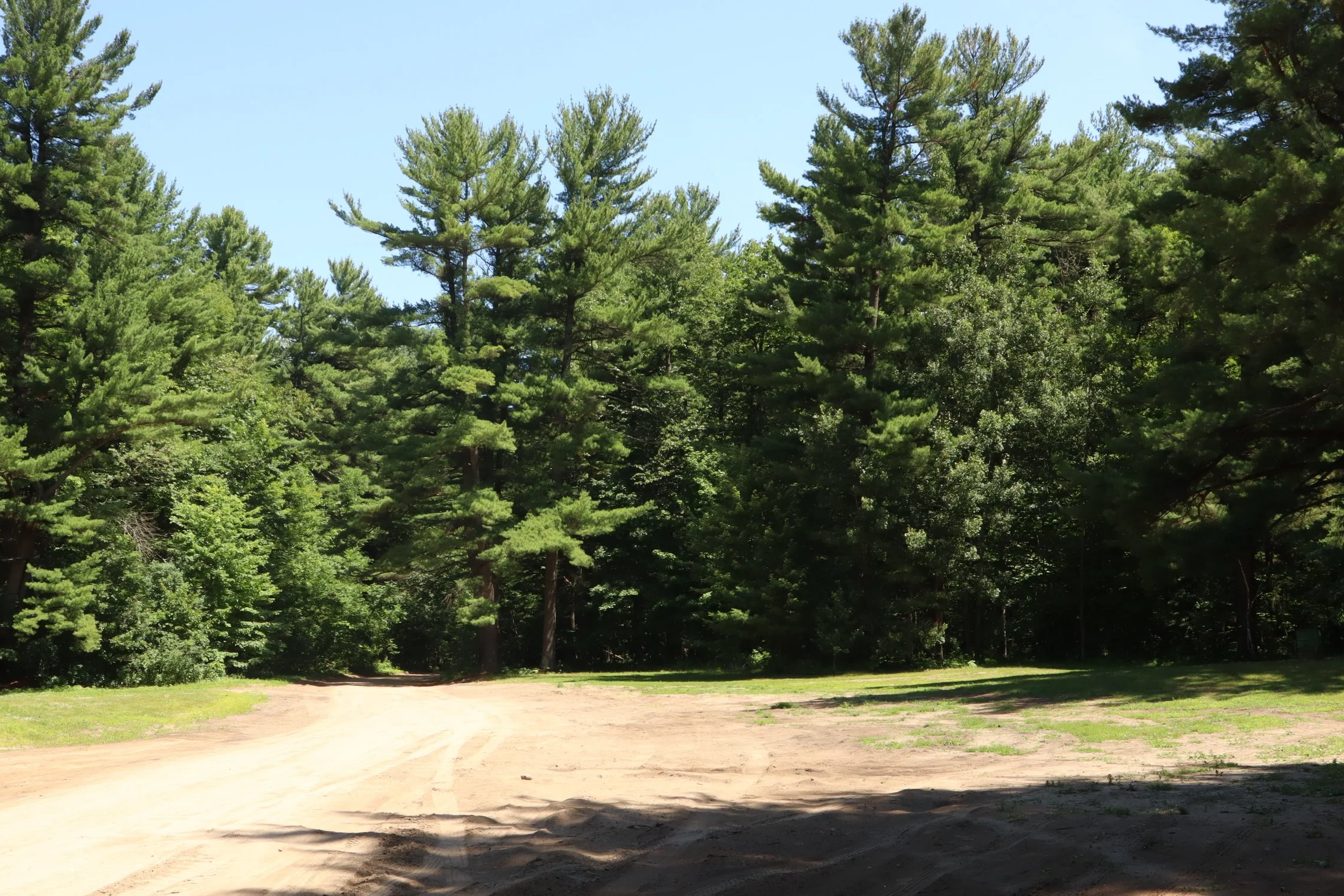
(Credit: Simona Rosenfield)
Story told by Michael Rice
It's beautiful walking through the pines in Kanehsatà:ke, especially after it rains. You can smell that fresh pine scent. These trees hold the soil together because underneath, it's all sand. Our ancestors would cry if they saw them being cut down. They planted those trees with their own hands, going all the way to St. Jerome to gather the saplings. This is the last white pine forest around here, mixed with hemlock and spruce, and it’s what protects the people of Kanehsatà:ke.
I remember when people used to respect the land and followed the teachings passed down through stories. But today, we see so many people getting sick from diabetes, cancer, things we didn’t have before.
It’s because we’ve forgotten the lessons our ancestors gave us.
It’s so important to keep sharing our stories. They bind us together and teach us how to live. If we forget them, we lose more than just words; we lose our connection to the land and each other.
These trees, this land; they’re a part of us. If we remember the stories, we’ll keep that balance and protect what matters most.
KANIEN’KÉHA VERSION
↓
KANIEN’KÉHA VERSION ↓
Ohna'kénhkha Kanen'takén:ra Skahrháhere
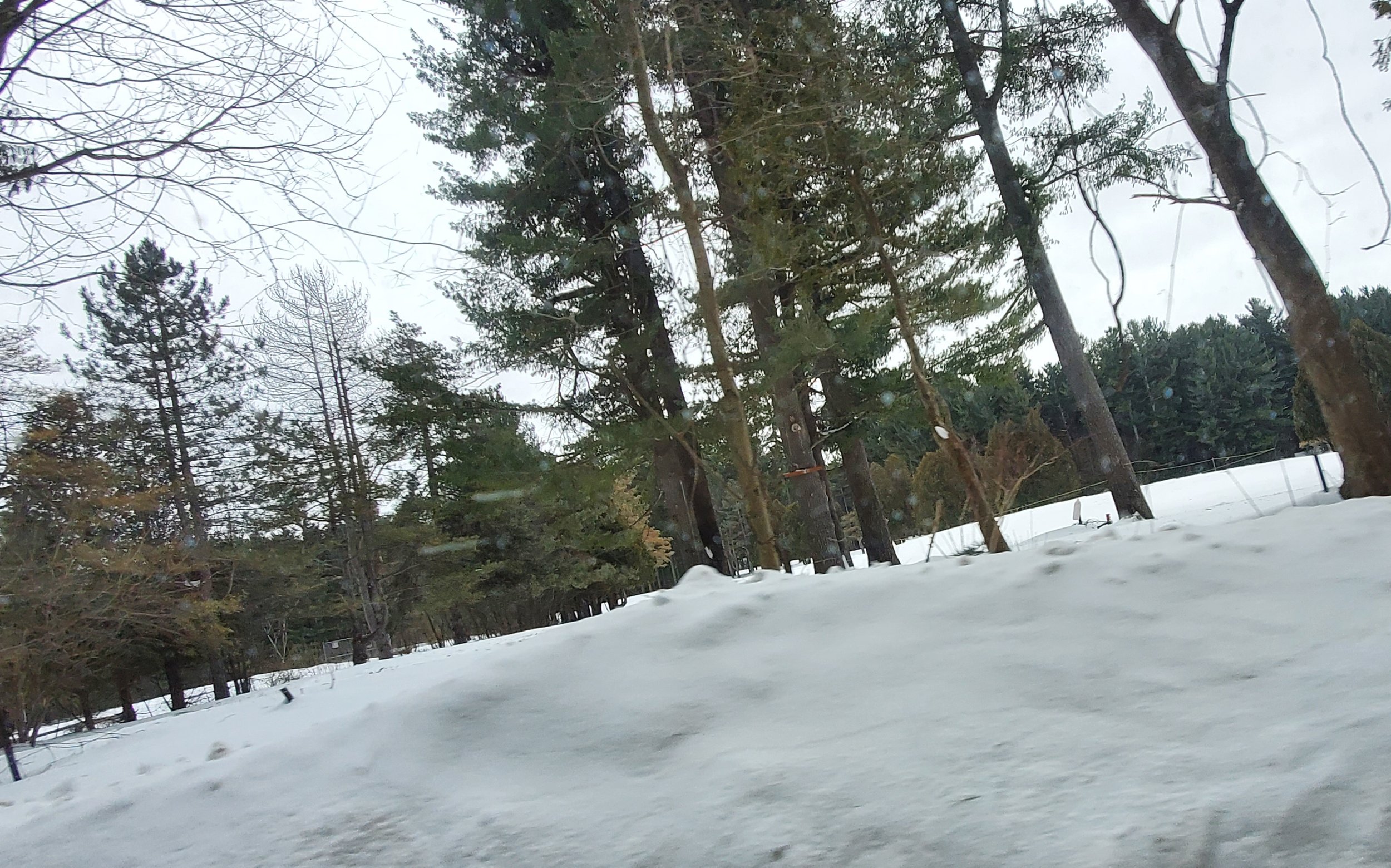
(Credit: George Rahrhaienté:ri Ross)
Michael Rice ROKÁ:RATON
Ióskats ki' wáhi nehta'kéhson iá:ien onen'tó:kon nonkwá:ti ne Kanehsatà:ke, sénha nó:nen tenkahnekóia'ke. Kwah ensáswen' thí:ken onèn:tase niwenserò:ten'. Kon'kenhrahní:rats ne kí:ken iorontó:ton áse' kenh ne nà:kon nonkwá:ti', o'nehsaronhkóskon ítken. Tó:kenske tenhonhséntho' nonkwahsótshera tóka' enhontkáhtho tsi ratirontienenhtánions. Ronhtsa'nà:ke ronátston tsi rotiiénthon thí:ken iorontó:ton', St. Jerome nonkwá:ti iehonenòn:ne wahatikwirarò:roke'. Ohna'kénhkha kanen'takén:ra skahrháhere nà:'a naktóntie' ne ken' iorontó:ton', tekaiéston onen'tahón:we tánon o'sóhrha, tánon nè:'e iakotiia'tanónstats ne Kanehsata'kehró:non.
Kè:iahre' tsi ón:kwe shos ierihwakweniénstha' nonhóntsa tánon konwaianénhawe' tsi nikarihonniennihtsherò:tens kakarakónhson nitioné:non. Nek nòn:wa, é:so rá:ti iethiiakáhthos rotinonhwáktens tsi tehotinekwenhsatsikhè:tare', takwa'áhson rotiié:nen, tsi nikahnhrò:tens iah teionkwaié:naskwe' nohén:ton.
Eh se' ní:ioht áse' kenh tsonkwa'nikonhrhèn:'en tsi nikarihonniennihtsherò:tens onkwahsótshera ionkhiiohetstén:ni.
É:so tsi iorihowá:nen' naonsaiekaratónnion tsi niionkwakarò:tens. Kwah nè:'e teionkwà:nerenks tánon ionkwarihonnién:nis tsi ní:tsi aietewatonhnhahtén:ti'. Tóka' entsonkwa'nikonhrhénhseron, ísi' nón:we ne nek owenna'shòn:'a enionkwá:ti; tentsitewatekháhsi nonhóntsa tánon ontioha'áhson.
Ne ken' iorontó:ton, kén:tho ionhontsá:te, shetewaià:ta wáhi nonónha. Tóka' entewehiahrà:sheke tsi nikakarò:tens, ientsitewatahsónteren' tsi niió:re tsi tewatenróhon thí:ken tánon entewanonstátsheke' tsi nahò:ten tiorihowá:nen'.
Edited by: Jonathan Turenne - Local Journalism Initiative Reporter
Translated by: Karonhí:io Delaronde