
Ohkí:we
(Courtesy: Kanien’keháka Onkwawén:na Raotitióhkwa Language and Cultural Center)
Story told by Mitch Deer
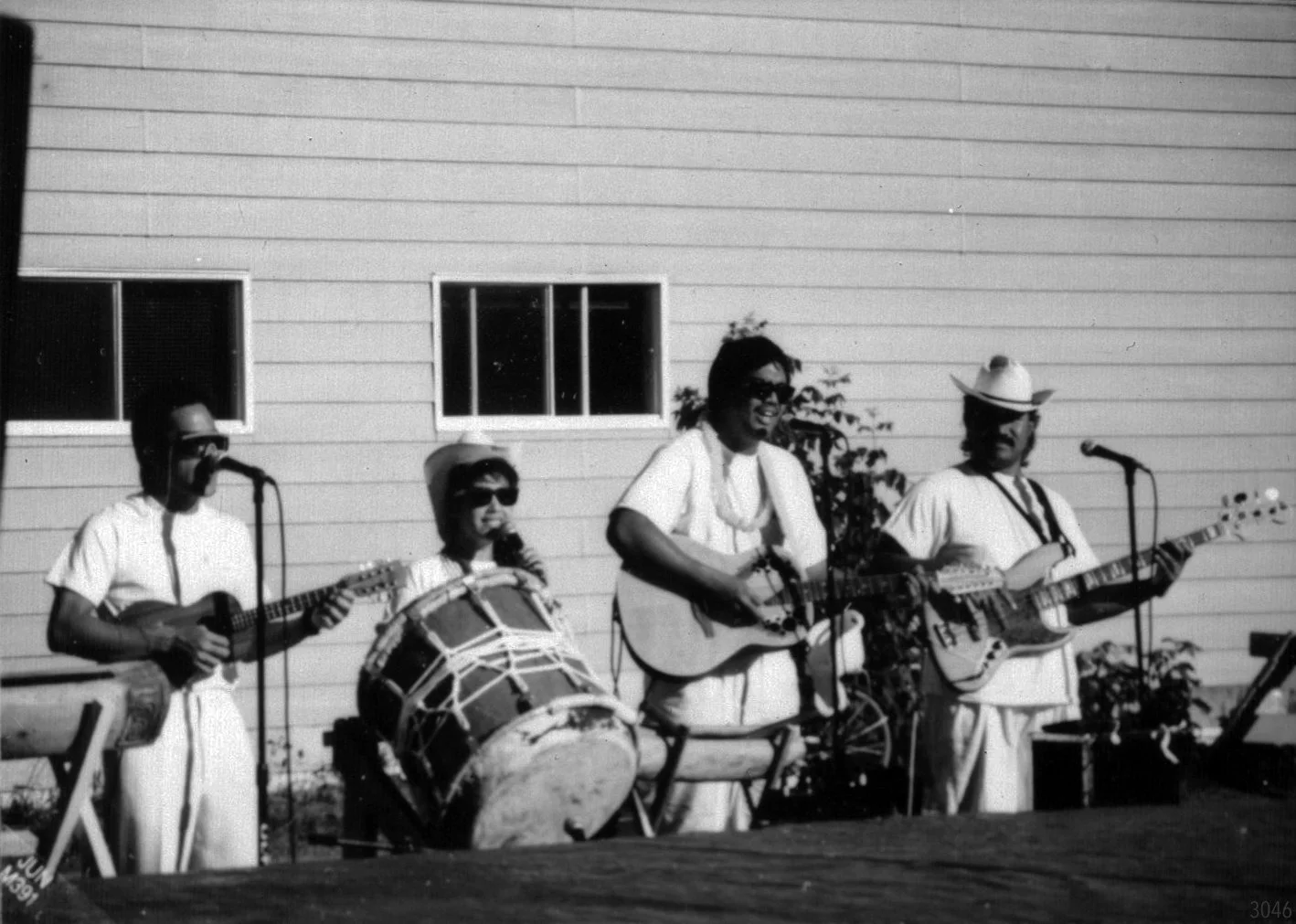
It’s the dead feast society, we do it every year. See, when you join as a singer, you join for life. You can’t stop doing it. We gotta keep doing it until we die. Even if we die, they have to release us from the society.
I’ve been doing it since 1989 or 1990. We sing all night till about two o’clock in the morning. What we’re doing is we’re singing and telling a story. In each verse, we’re telling the story of the Ohkí:we.
Then we stop and have giveaways. We give away gifts to the people who sang, the people who burned tobacco, the people who cooked, and the people who stood by the door.
At the end of the whole thing, they give out candy. They hold it up in the air, and people grab for it as they’re going out the door or around the longhouse at the end. That’s the last part and there’s songs just for that.
We do the giveaways, sing for each giveaway, gather all the candy and fruit, and then we feast. We’re supposed to eat for the people who can’t eat anymore. If the food drops to the floor, you don’t eat it. If you drop the candy outside on the ground, you don’t touch it.
KANIEN’KÉHA VERSION
↓
KANIEN’KÉHA VERSION ↓
Ohkí:we
(Courtesy: Kanien’keháka Onkwawén:na Raotitióhkwa Language and Cultural Center)
Mitch Deer ROKÁ:RATON
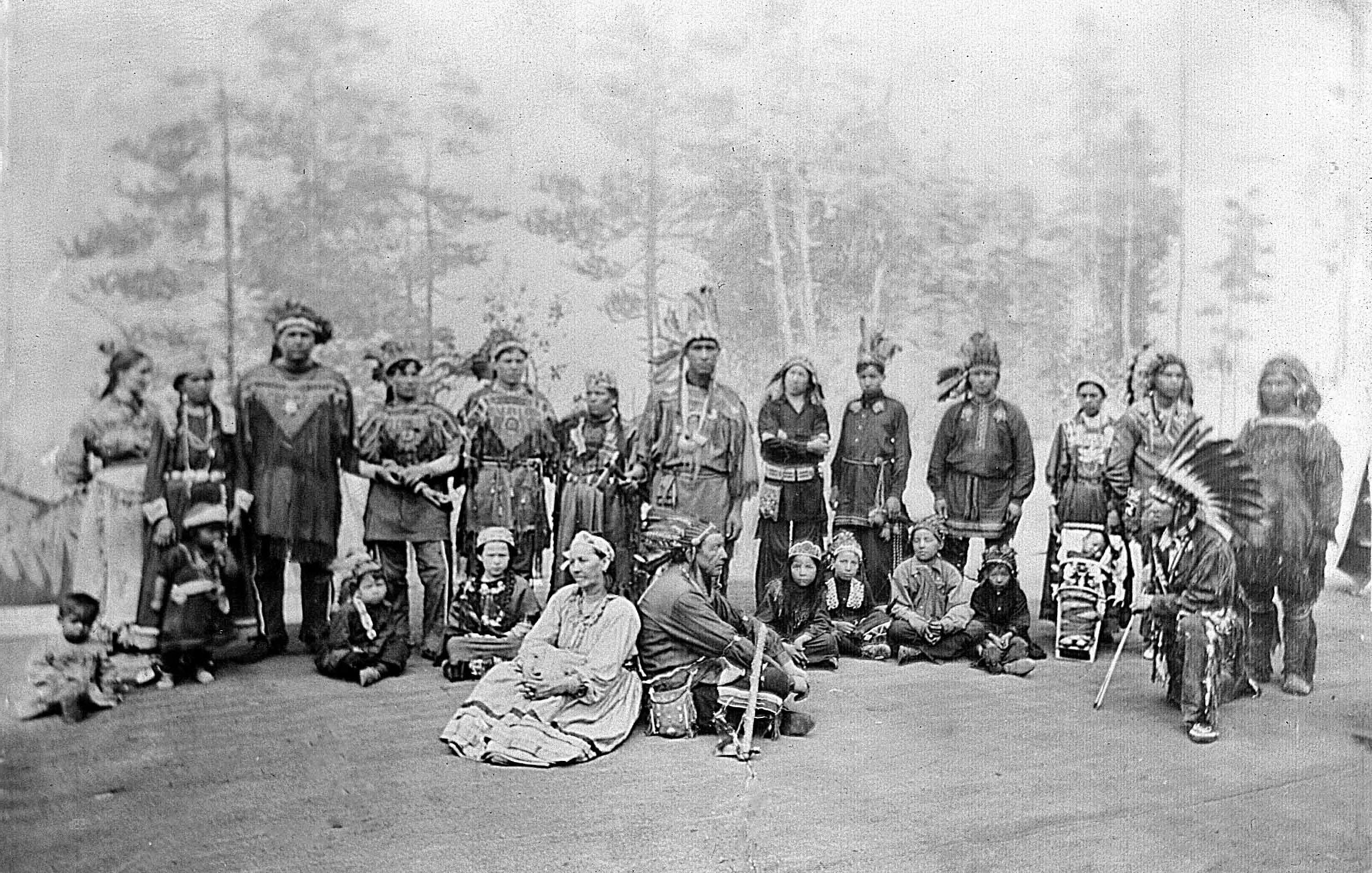
Kenhé:ion kakhwáhere kentióhkwa ne kí:ken, thia'teiohserá:ke iakwaterihwahtentià:tha. Nó:nen ronterennótha raotitióhkwakon enhsatià:taren, tsi nikarì:wes tsi nihsónhnhes eh nenhsatiéhrhake. Kwah ienhskón:tahkwe. Entà:'on ientewatahsónteren tsi niió:re entewénheie. Khó:ni tóka' entewénheie, teiotonhontsóhon entsonkhiiátkahwe tsi iakwaià:tare kentióhkwakon
1989 tóka'ni 1990 shikaterennótha. Kwah ahsontakwé:kon eniakwaterennó:ten tsi niió:re ákta tékeni niiohwistà:'e nohrhon'kè:ne. Iakwarén:note tánon ionkwaká:raton. Akwé:kon tsi na'teiostonterónnion, ionkwaká:raton tsi niiokarò:ten ne Ohkí:we.
Sok teniakwá:ta'ne tánon eniakhiia'khón:ha'se. Othé:nen eniakhiiawíhon néne tsi niká:ien ronaterén:note, ronatien'kwathsa'áhton, rotikhón:ni, tánon ne tsi nihá:ti tehonatehnhohanòn:nen.
Nó:nen orihwakwé:kon ia'tewatò:kten, thò:ne ki' enhatitsikhe'tià:khon. È:neken enthatí:tate tánon ón:kwe ienieié:na tsi tsakoiaken'enhátie tsi kahnhokà:ronte tóka'ni kanónhskon ne kanonhsésne tsi ia'teió:to'kte. Nè:'e ne ohna'kénhkha tánon karennaién:ton neh nahò:ten aorihwà:ke.
Eniakhiia'khón:ha'se, skátshon eniakwaterennó:ten ne tsi ní:kon, eniakwarò:roke akwé:kon notsikhè:ta tánon káhi, sok thò:ne eniakwakhwà:ren. Teiotohontshóhon teniakwatskà:hon ne ki' raotirihwà:ke néne tsi nihá:ti iah tesewá:tons tahontskà:hon. Tóka' káneka entkákhwen'ne ohson'karà:ke ienkaién:ta'ne, iah thaón:ton áhseke. Tóka' ensatsikhè:ten'se onhontsà:ke ienkaién:ta'ne, tóhsa sasatsté:rist.
Edited by: Melissa Stacey, Local Journalism Initiative Reporter
Translation by: Karonhí:io Delaronde