
A child’s question
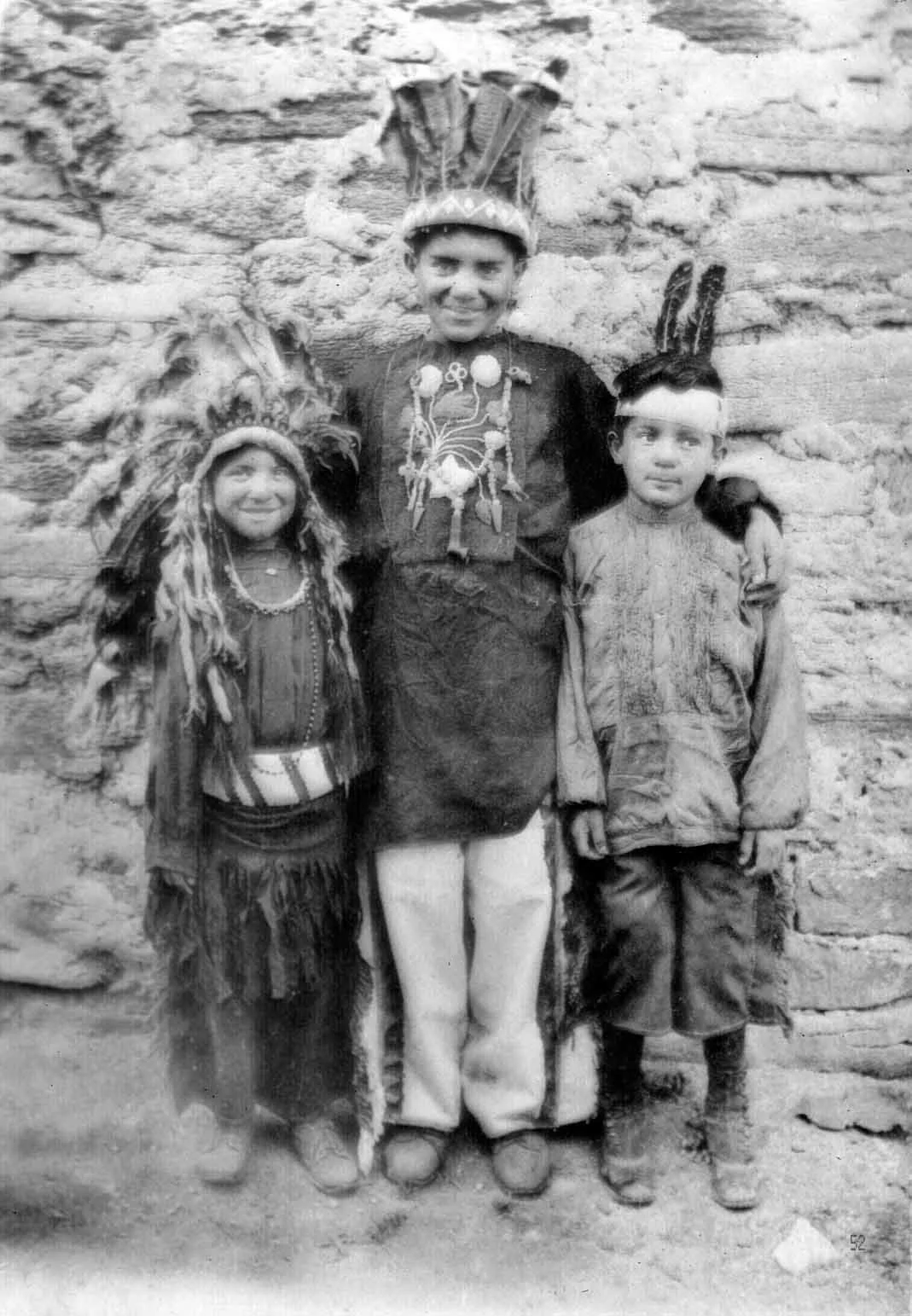
Paul Marquis, Mike Montour (who would later become the father of Wallace Montour), and Tom Montour, band together dressed for a group photo. (Courtesy: Kanien’keháka Onkwawén:na Raotitióhkwa Language and Cultural Center)
Story told by Tekarón:take Delaronde
Most people who don’t like somebody asking too many questions, it’s because they don’t know the answers. But a person who has knowledge doesn’t mind sharing it.
Sometimes people will say, “How come the old people that I know don’t tell us these things?”
I says, “Don’t be too hard on them, because sometimes one cannot tell you what they don’t know.”
It’s that simple. Don’t expect older people to know everything. They don’t. The thing is that I’ve seen older people when they were asked questions and they get so angry.
Instead of answering the question, they say, “Well, if you knew your language, you wouldn’t be asking me that stupid question. If you attended the ceremonies more often, you wouldn’t be asking those stupid questions.”
The thing is, all these children and young people asking these questions don’t speak the language. It’s not their fault. And if they go to ceremony, it’s all being done in the language that they don’t understand, so how do you expect them to know? It’s very stupid.
And they ask me, “Why do they do that?”
I says, “These are proud people, and they don’t like the idea that they don’t know.”
They don’t like the idea that they can’t answer a child’s question. So, it’s easier to lash out at that child. It’s something they know they shouldn’t do, but it’s something they do. It’s a defense. It’s a psychological thing.
I was fortunate; I grew up in a home where you could ask any kind of question. My grandfather used to say, “If you don’t ask, you’re never gonna know.”
Never be afraid to ask.
KANIEN’KÉHA VERSION
↓
KANIEN’KÉHA VERSION ↓
Tsi Nahò:ten Ieksà:'a Ierihwanón:tha
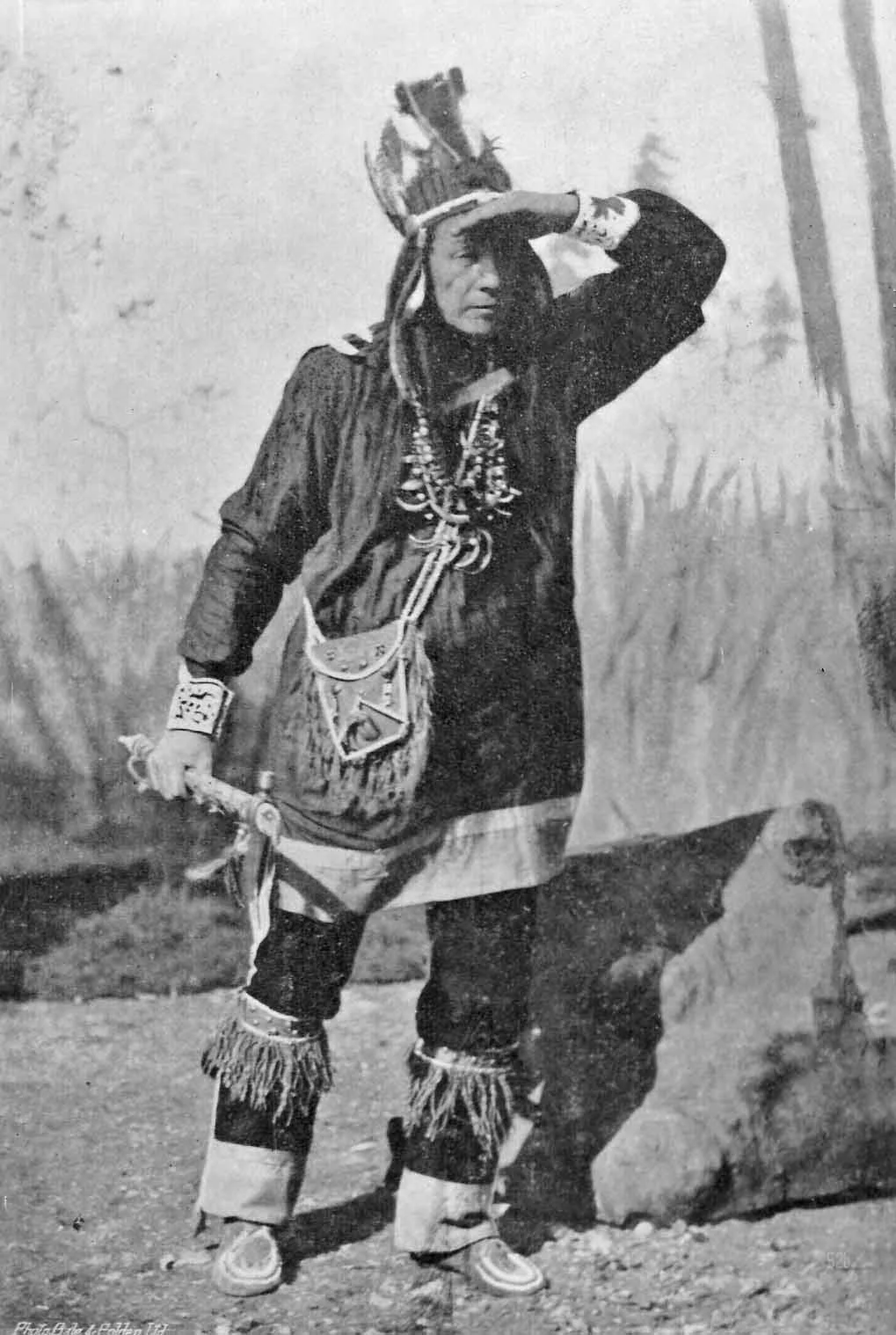
(Courtesy: Kanien’keháka Onkwawén:na Raotitióhkwa Language and Cultural Center)
Tekarón:take Delaronde
Thóha akwé:kon tsi nihá:ti iah tehatinòn:we's ónhka sótsi nia'té:kon ierihwanón:tha, ne ki' tiorì:wa tsi iah thé:nen tehatiienté:ri nahò:ten ne tahatirihwa'serákwahte. Nek tsi ónhka néne thé:nen iakoterièn:tare kwah iah thé:nen teiontsterístha taierihwa'será:ko.
Sewatieren'shòn:'a ón:kwe eniè:ron, "Oh nontié:ren ne thotí:iens kheienté:ri kwah iah thé:nen teionkhihró:ris ne ken' nikarihò:tens?"
Enkì:ron nì:'i, "Tóhsa sótsi sheiate'niakátstats, nè:'e tsi sewatieren'shòn:'a iah teiekwénies ne tseià:ta thé:nen aionthró:ri ne nahò:ten iah teiakoterièn:tare."
Thok niwatié:sen. Tóhsa sahrhá:rek ne thotí:iens akwé:kon ahonaterièn:tarake. Iah eh té:ioht. Tó:kenske wakatkáhthon ne thotí:iens nó:nen thé:nen ronwatirihwanontón:ni tánon é:so tsi enhotinà:khwen.
Ne niá:we ne tahatirihwa'serakohá:ton, enhonnì:ron, "Ne ki', tóka' ahsahrónkhake, kwah iah thahskerihwanón:ton'se kí:ken tekarihwakwenhténion. Tóka' sénha iotkà:te enhsià:tarake nó:nen thé:nen waterihwahtentia'tonhátie, kwah iah thahskerihwanón:ton'se thí:ken tekarihwakwenhténion."
Tsi nahò:ten tiorì:wa, ne ki' nen' nè:'e tsi iah tehonhrónkha akwé:kon kí:ken ratiksa'okòn:'a tánon ken' nithotiién:sa néne nia'té:kon ratirihwanontónnions. Iah ronónha tehotirì:wa. Tánon tóka' tenhontenonhweratòn:ra, akwé:kon tho nikawennò:ten kawennontáhkwen néne iah tehoti'nikonhraién:ta's, oh káti' ní:tsi ensahrhá:reke nahonaterièn:tarake? É:so tsi tekarihwakwénhte. Sok enionkerihwanón:ton'se, "Oh nontié:ren tho nihatiiéhrha?"
Enkì:ron, "Ratiná:ie ne ken' niionkwe'tò:tens, tánon iah tehatinòn:we's tsi niwate'nikonhrò:ten tsi iah tehonaterièn:tare." Iah tehonte'nikonhranòn:we's tsi iah tehatikwénies tahshakotirihwa'serákwa'se nahò:ten ne ieksà:'a ierihwanón:tha. Ne ki', sénha watié:sen ne ahshakonathní:ratshe ne ieksà:'a. Ne ki' ne nahò:ten néne ronaterièn:tare iah tha'teiotohontsóhon eh nahatí:iere, nek tsi tho ki' nihatiiéhrha. Thatihnhéstha neh nahò:ten. Thok í:ken ne ki' ní:tsi ronnonhtónnionhs.
Onkwatera'swí:ioste nì:'i. Tho nikanonhsò:ten tewakatehià:ron néne iakorihwá:wis thé:nen nahò:ten aierihwanontónnion. Rakhsótha shos enhèn:ron, "Tóka' iah thahserihwanón:ton, iah nonwén:ton thaiesaterièn:tara'ne. Tóhsa setshà:nik nahserihwanón:ton."
Edited by: Simona Rosenfield, Local Journalism Initiative Reporter
Translation by: Karonhí:io Delaronde