
Nine leopard bathing suits
↓ listen to the story in KANIEN’KÉHA ↓
🔈
↓ listen to the story in KANIEN’KÉHA ↓ 🔈
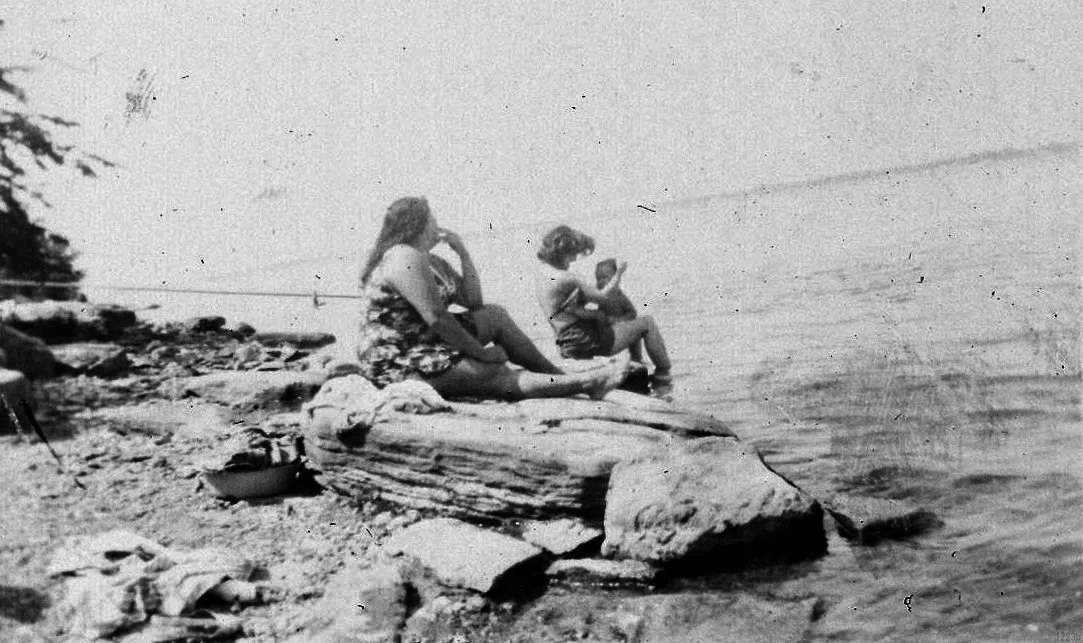
Esther Kane Phillips, Florence Splicer, and a young Penny Goodleaf are enjoying a day on the coast. As Esther relaxes on a comfortable stone, Florence tends Penny. (Courtesy: Kanien’keháka Onkwawén:na Raotitióhkwa Language and Cultural Center)
Story told by June Mayo
I think I was the first one in Kahnawake to have a leopard bathing suit.
My dad was an ironworker in New York and every week when he came home, he used to bring back nine things he bought for nine of us girls, me and my sisters. Nine dresses, nine bras, nine leopard bathing suits.
We’d always be dressed up.
That’s why people would say, “They’re so rich in that house.” But it wasn’t that we were rich: my father worked really hard.
He would come back on a Friday. It was a long drive from New York. The cars didn’t go as fast as they do now and there weren’t the same roads there are today. He’d get home at maybe five in the morning.
We’d always race to see who would be the first to get to the suitcase to see what he brought every week.
We got the iridescent jackets when they first came out. He got us hats, beautiful high heels. Every week, we had new suits on. We were always dressed up.
People would ask where we got our clothes and I’d be so proud to say, “My father works in New York.”
KANIEN’KÉHA VERSION
↓
KANIEN’KÉHA VERSION ↓
Tióhton ní:kon iorahkwarónnion tako'skó:wa iontawenstáhkhwa atahkwénnia
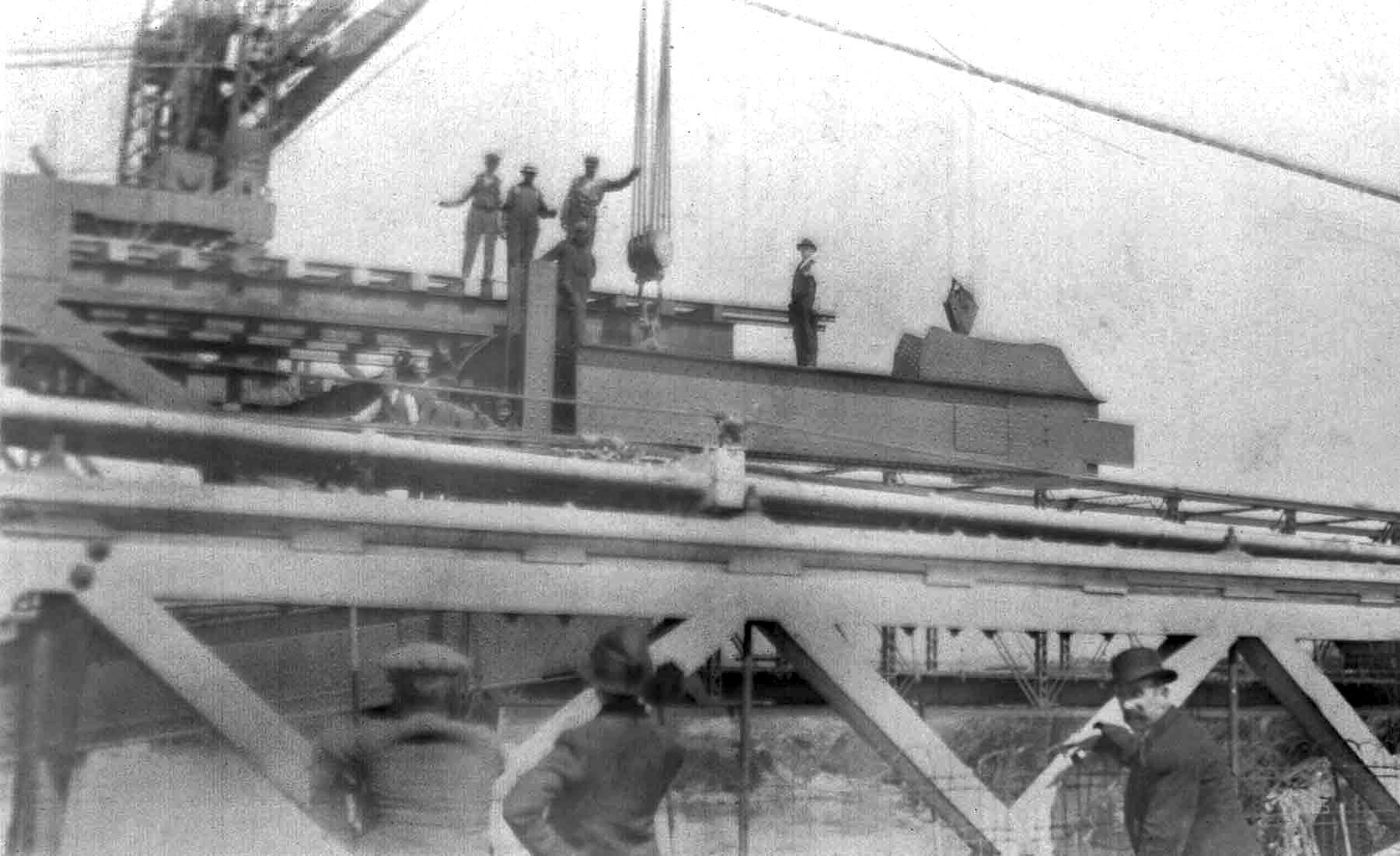
(Courtesy: Kanien’keháka Onkwawén:na Raotitióhkwa Language and Cultural Center)
June Mayo IAKOKÁ:RATON
Kwah í:kehre ì:'i nà:'a takatié:renhte ontién:ta'ne ne iorahkwarónnion tako'skó:wa iontawenstáhkhwa atahkwénnia ne Kahnawà:ke.
Karístatsi roió'tehkwe ne rake'níha ne Kanón:no nonkwá:ti tánon thia'teiahia'kserá:ke nó:nen énshrawe, tetháhas shos tióhton niiorì:wake shonkwahninòn:se ne nì:'i tióhton niiátion tsonkwathonwí:sen, ì:'i tánon iakwatate'ken'okòn:'a. Tióhton ní:kon watia'tawi'tsheré:sons, tióhton ní:kon atentskwéhnha, tióhton ní:kon iorahkwarónnion tako'skó:wa iontawenstáhkhwa atahkwénnia.
Kwah tiótkon shos ionkwatia'tahserón:ni.
Nè:'e tiorì:wa ón:kwe enhonnì:ron, "Tó:k nithotihwistakà:te ne tho kanónhskon." Nek tsi iah eh teiohtòn:ne wáhi tsi ionkwahwistakà:tehkwe : kwah tokèn:'en wahoió'ten ne rake'níha.
Wískhaton énshrawe. Tó:k niió:re kèn:ne ne Kanón:no naontaiakohonwì:sere. Iah tho tha'teioti'kahtòn:ne ne ka'sere'shòn:'a tsi ní:ioht ne nòn:wa tánon iah ne shà:ka teiohaténionhkwe tsi ní:ioht ne nòn:wa. Énshrawe tsi tionkwanónhsote tóka' nòn:wa wísk niiohwistà:'e nohrhon'kè:ne.
Tiótkon teniakwaré:ron naionkwató:ken'se nónhka entiontié:renhte tenionttókwahte ne watahkwenniaráhkhwa ne ki' naiontkáhtho tsi nahò:ten thóha thia'teiahia'kserá:ke.
Wa'onkwaién:ta'ne thí:ken iò:nhiote karónnion atià:tawi òn:wak shontakaiá:ken'ne.
Wahshonkwahní:non'se anòn:warore, ióskats teiorata'kará:te. Thia'teiahia'será:ke, atahkwénniase ionkwátston. Tiótkon shos wáhi ionkwatia'tahserón:ni.
Ón:kwe enhatirihwanón:ton ka' nitionkwáha nonkwatahkwénnia tánon tó:k niwakera'sè:se tsi enkì:ron, "Kanón:no thoió'te ne rake'níha."
Edited by: Emma McLaughlin, Local Journalism Initiative Reporter
Translated by: Karonhí:io Delaronde