
His name is George
↓ listen to the story in KANIEN’KÉHA ↓
🔈
↓ listen to the story in KANIEN’KÉHA ↓ 🔈
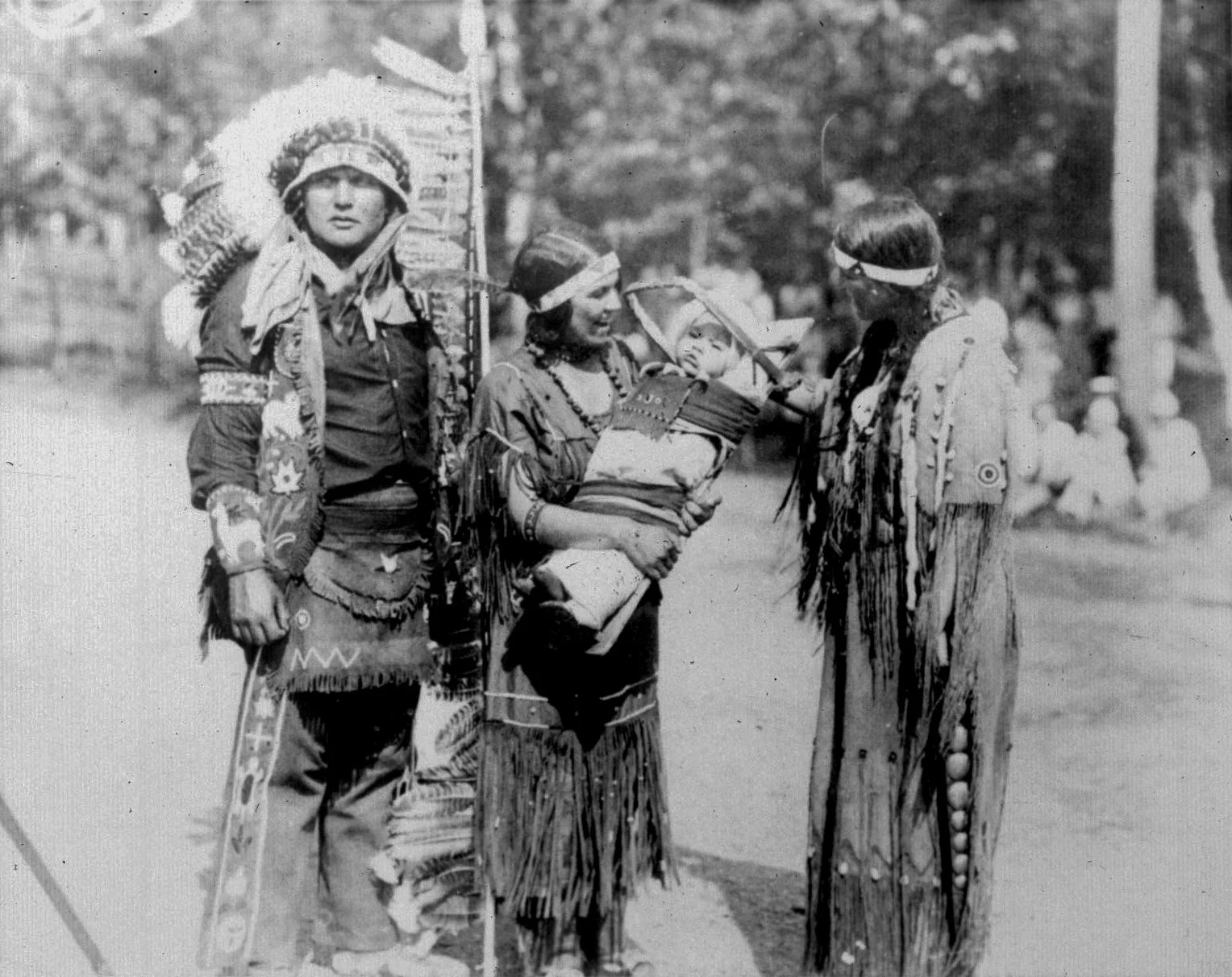
(Courtesy: Kanien’keháka Onkwawén:na Raotitióhkwa Language and Cultural Center)
Story told by Tealey Ka’senni:saks Normandin
My birth mother, Mavis, told me a lot about who my family was. I found out that my family are Bear clan. She goes, “Oh, we’re bears.” I’m happy with that, I like to hibernate.
She told me who my late father was, told me the whole story about their relationship and what happened, and I will not tell you that. No, no, it’s her personal story. Even when I go and I speak on the Sixties Scoop or I do the blanket exercise, I will tell people I do not tell her story out of respect for her.
Regardless, I learned who he was and got to meet my grandmother and auntie on his side. They both passed, but I got to meet them. At the time, I chose not to meet my father; there was a lot to take in, and I didn’t think I could handle it.
Meeting the family was overpowering, because the first year was beautiful, like a pink cloud. Then life struck, and that’s how I retreated into my own problems. From there, we kind of drifted.
I never felt strong enough, that I could go and meet him, and then it was too late; he died. I used to regret it... but I made peace with it.
That’s a hard part to talk about.
When I did my healing work at the lodge, I felt like he came to me in spirit, and that I was able to forgive him.
Both of my parents are Indigenous, even my late father. I know who he was, he was from Kahnawake. His name’s George.
KANIEN’KÉHA VERSION
↓
KANIEN’KÉHA VERSION ↓
Swasén ronwá:iats
Tealey Ka’senni:saks Normandin IAKOKÁ:RATON
Ne ionkwennakerátston ake'nisténha, Mavis, é:so ionkhró:ri ónhka ne akhwá:tsire. Onktó:ken'se tsi Rotiskaré:wake ne akhwá:tsire. Wa'è:ron, "O, ionkwaskaré:wake." Wakatshennón:ni eh nón:we aorihwà:ke, wakon'wéskwani wáhi akatóhseron.
Ionkhró:ri ónhka ne rake'nihkénha, ne ó:ni kakarakwé:kon tsi ní:tsi wa'thiáthnerenke tánon ne tsi na'á:wen, tánon iah thakonhró:ri eh nahò:ten. Iah, iah, akaónha akoká:ra nen' nè:'e. Tsi ní:ioht nó:nen enkathrória'te ne 60 niiohserò:tens kawirotsénhton aorihwa'shòn:'a tóka'ni nó:nen tewahsirakhánion enkaterihwahténtia'te, enkhehró:ri nón:kwe tánon iah thakathrória'te nakoká:ra áse' kenh kherihwakweniénstha.
Iaweronhátien ki' wáhi, wa'kerihwaién:tere'ne ónhka kèn:ne ne raónha tánon ón:ton wa'kheientéhrha'ne akhsótha tánon ionkenonhà:'a ne rahwatsirà:ke. Tetsá:ron wa'tiatóhetste, nek tsi ón:ton wa'kheientéhrha'ne, tánon keniia'tarónnion wátien akwá:wen watewennateweien'tónsne. Neh shitkahá:wi, wa'kerá:ko tóhsa ahiientéhrha'ne rake'níha, nia'té:kon kaién:tahkwe wáhi ne iaka'nikòn:renhte, tánon iah tewakanonhtonniónhon tsi aiotòn:'on aonkwatsteríston.
É:so tsi onke'shatstenhsera'shén:ni tsi wa'kheientéhrha'ne ne kahwá:tsire, áse' kenh ioskatstòn:ne wáhi ne tiotohseratierénhton, kwah tsi ní:ioht ne wahsén:rate niwahtsi'kerò:ten. Sok nia'té:kon onkwaterihwanorónsten tsi kónhnhe, tánon tho ní:tsi sakatò:roke nà:kon nonkwá:ti ne tsi nahò:ten tewake'nikonhrhá:rahkwe. Tho nón:we, ne iá:ken skenen'shòn:'a wa'tiakwatekháhsi.
Iah nonwén:ton tewakattó:ken tsi ieke'shatstenhseraierì:ne, tsi enwá:ton ienhiientéhrha'ne, sok sótsi ohnà:ken onkhá:wihte ; wahrénheie. Enskataterihwásten shos... nek tsi skén:nen sakerihwahserón:ni eh nón:we aorihwà:ke. Iorihwákste eh nahò:ten nakathrória'te.
Sha'katerihwahténtia'te akwá:wen atetsèn:tshera kaio'ténhsera ne tsi tiontatonhnahseronnià:tha, wa'káttoke tsi tahatià:tara'ne atónhnhets raia'tontáhkwen, tánon ón:ton sahi'nikónhrhen'se.
Tehnonkwehón:we ne iontièn:'a, khó:ni ne rake'nihkénha. Wakaterièn:tarahkwe ónhka ne raónha, Kahnawà:ke nithawenòn:ne. Swasén ronwá:iats.
Edited by: George Rahrhaienté:ri Ross, Local Journalism Initiative Reporter
Translated by: Karonhí:io Delaronde