
New leaf
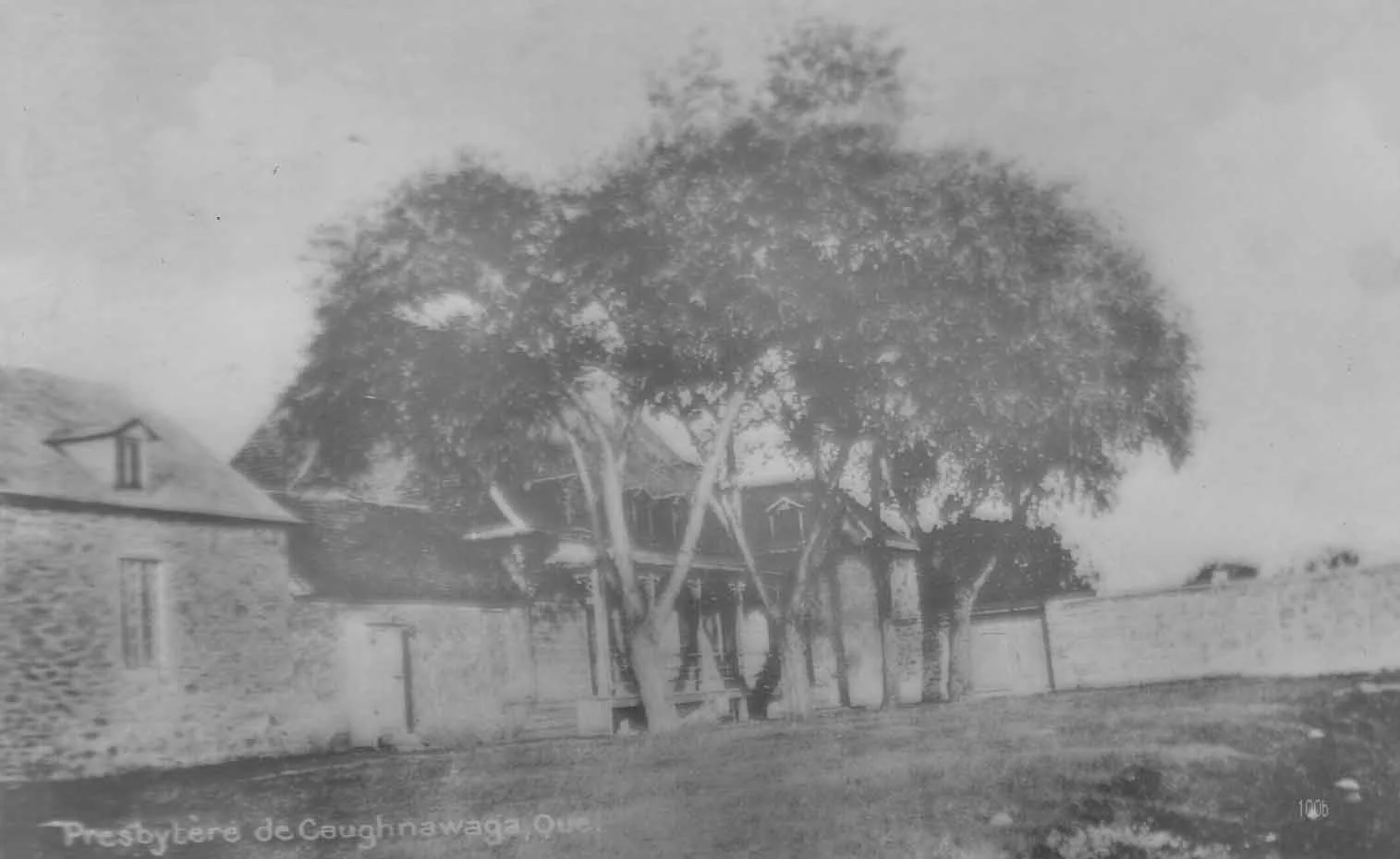
(Courtesy: Kanien'keháka Onkwawén:na Raotitióhkwa Language and Cultural Center)
Story told by Leonard Bordeau
After my grandson was born, my daughter called me up at the house and said, “We’re looking for a Mohawk name for Kruz.”
I said, “Do you have anything in mind?”
She said, “Not really.”
Usually, the parents would already have something thought of, or sometimes an uncle or grandfather would predetermine what Mohawk name you’d get.
I don’t really like having that kind of responsibility put on me, but I’ll try and help. I thought well, does he like sports? He was only three months old, we didn’t know yet. If he was a guy that liked baseball, then we could call him Tehahthénno’ks or something like that, meaning, “he plays ball”.
Or if he’s a bad kid, Raksa’táksen, meaning, “he’s a bad boy.” But I would never think of giving a little baby boy the name of Raksa’táksen because that’s going to stick with him. People are going to say, “Wow, they gave you that Mohawk name?”
My grandson was born on May 10th. I told my daughter, “May is when the new leaves come out, they bud.”
By the end of May, the leaves are forming. A new leaf is Oneráhtase. She said it once, twice, and then she said, “That’s it! That’s what we’re gonna choose.”
KANIEN’KÉHA VERSION
↓
KANIEN’KÉHA VERSION ↓
Oneráhtase
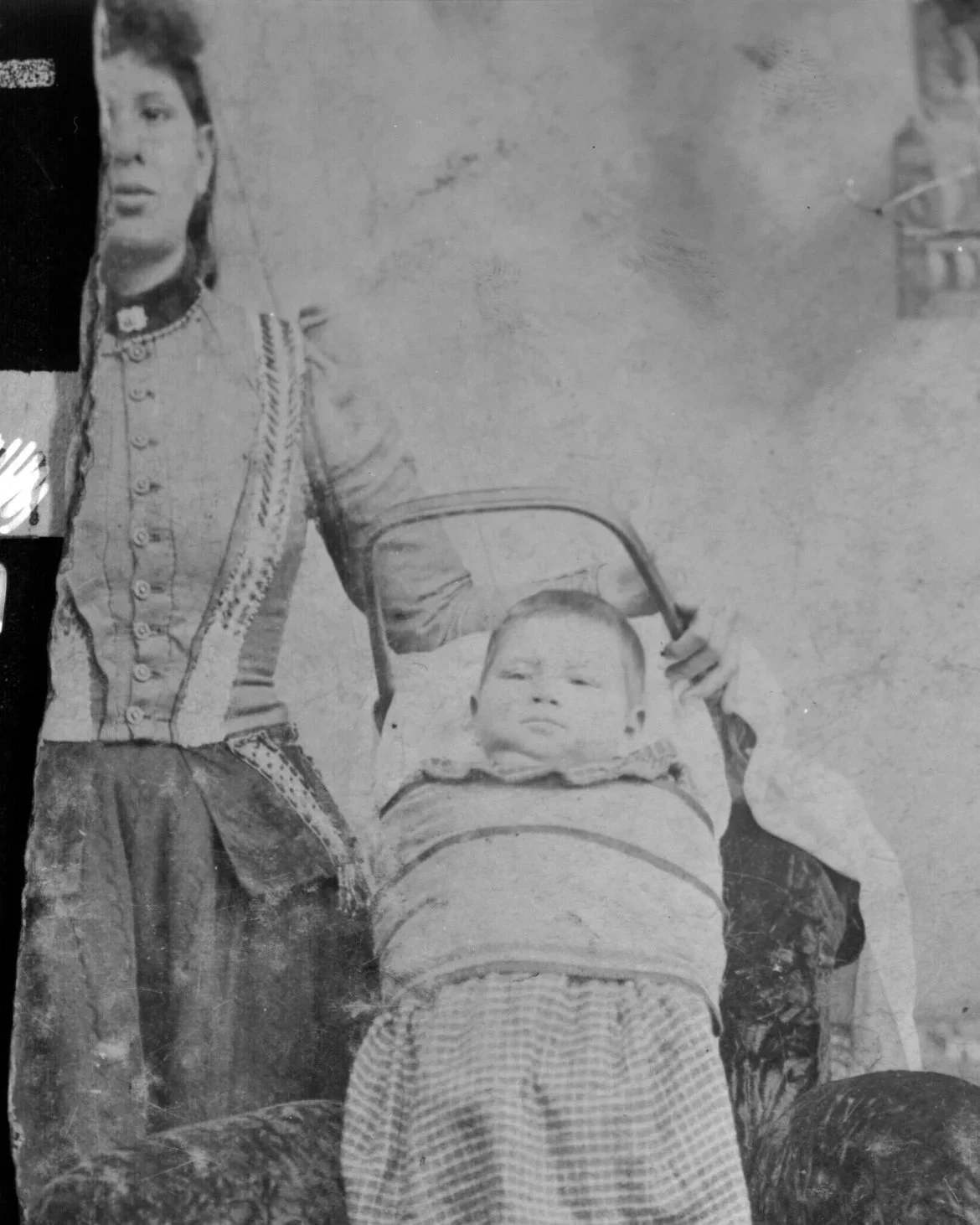
(Courtesy: Kanien'keháka Onkwawén:na Raotitióhkwa Language and Cultural Center)
Leonard Bordeau ROKÁ:RATON
Ohnà:ken shahrennákerate' ne riiaterè:'a, kheièn:'a taionkwatewennáta'a'se' tsi tewakenónhsote tánon wa'è:ron', "Kanien'kéha na'kahsennò:ten shakwesá:ki ne Kruz."
Wa'kì:ron', "Othé:nen kenh sanonhtónnion?"
Tontaiè:ron', "Iah kwah."
Iotkà:te, ó:nen ahonanonhtonniónhon' nénska ne rotiwí:raien tóka'ni sewatié:rens kanonháhtshera tóka'ni kahsótshera ohén:ton ahotirákwen' ka' niká:ien Kanien'kéha na'kahsennò:ten aiesahsennaién:ta'ne'.
Iah tewakon'wéskwani aonkwaterihwaienníhake' thí:ken nek tsi kate'niéntha tánon kheienawà:ses. Wà:kehre' ki', ranòn:we's kenh natkahri'tsherónnia? Nek áhsen niwenhnì:take nithoién:tahkwe, iah áre'kho teionkwaterièn:tarahkwe. Tóka' rón:kwe akénhake ne raónha néne ranòn:we's ne teiontatshenséstha, thò:ne ki' Tehahthénno'ks ahshakwahsén:non' tóka'ni nahò:tenk eh ní:ioht, ne kén:ton, "ahthén:no ratkahrì:tha."
Tóka'ni iah teioiánere tsi nihaksa'tò:ten, Raksa'táksen enkénhake', ne kén:ton, "io'táksen tsi nihaksa'tò:ten." Nek tsi iah nonwén:ton thá:kehre' ne raksà:'a owirà:'a ne Raksa'táksen ahihsén:non' áse' kenh tiótkon nè:'e enhonwaiátsheke'.
Ón:kwe enhonnì:ron', "Wa, ne kenh thí:ken Kanien'kéha na'kahsennò:ten iesahsenná:wi?"
Onerahtohkó:wa 10 shískare shahrennákerate' ne riiaterè:'a. Wa'khehró:ri' kheièn:'a, "Onerahtohkó:wa niwenhni'tò:ten nen' nè:'e ne tsi nikahá:wi oneráhtases tkontiiá:ken's, enkahse'rhón:ton'."
Tsi nenwatenhni'tò:kten' ne Onerahtohkó:wa, thò:ne kontón:nis ne ónerahte. Oneráhtase enhsì:ron' nó:nen á:se nónerahte. Énska nè:'e wa'è:ron', sok tékeni, sok saiè:ron', "Kwah tho! Kwah nè:'e eniakwará:ko'."