
Doing our best
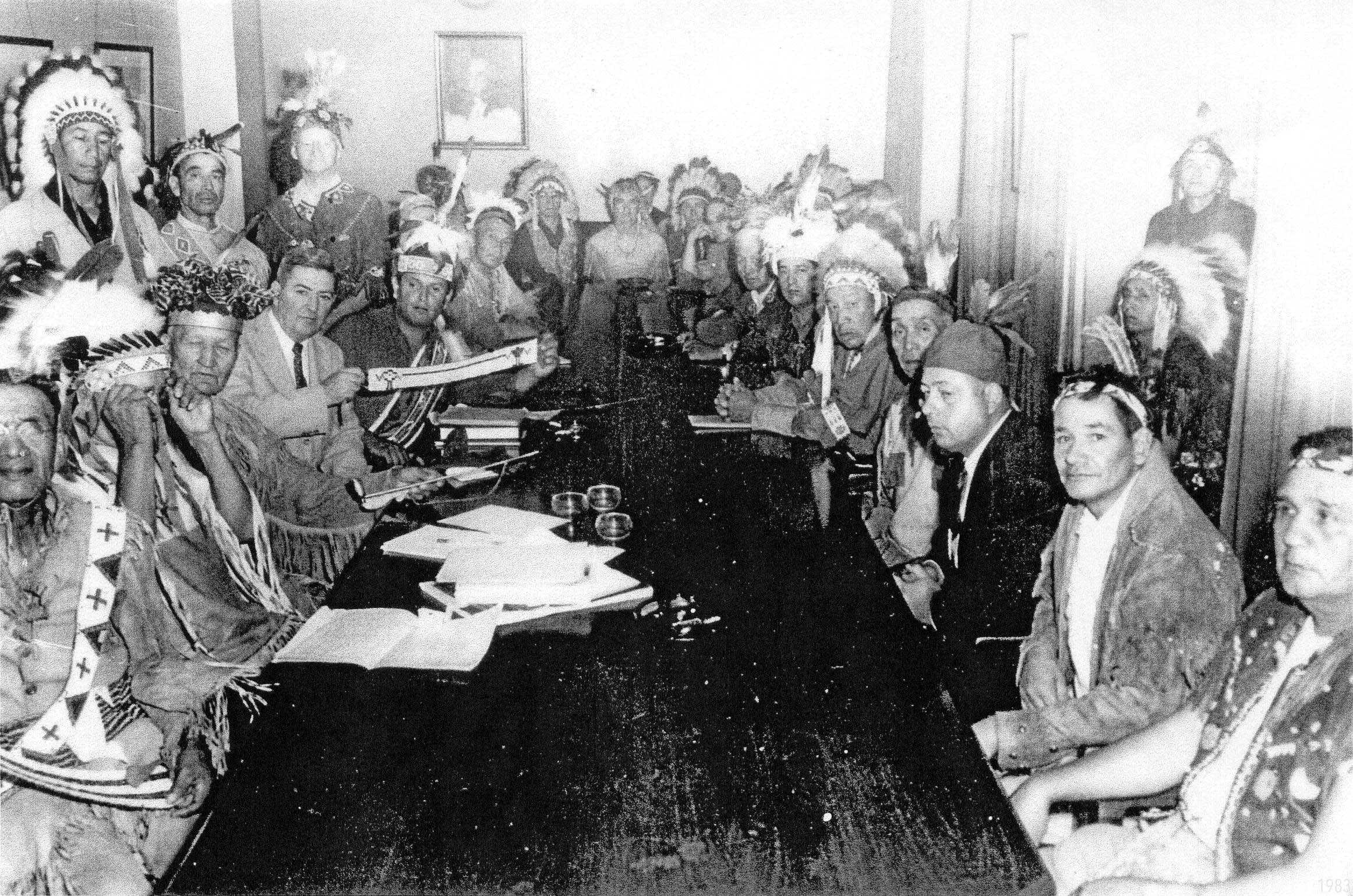
(Courtesy: Kanien’kehá:ka Onkwawén:na Raotitióhkwa Language and Cultural Center)
Story told by Leonard Bordeau
All of us Mohawk teachers got along good. We would have a meeting once a month to see how our kids were doing, and we would ask what we could do to get the kids more into it. We talked about everything under the sun.
We felt that all of the teachers were doing their best. I don’t think any of the teachers were slacking in that department.
We had some students that were really into the language. Some of them would ask me, “Atonnion, what time do you leave from here after school?”
I said, “I’m here until four.”
“Well, can I come in after school and do a little bit of work?”
“Sure, come on in, you’re more than welcome.” I always had some students that wanted to come in.
I’d ask them if they have a weak area or if there was something in particular that they wanted to talk about. Like I said, if you haven’t been exposed to it, Mohawk can be mind-boggling. I was always glad when a kid would ask me if they could come see me.
Before exams, I’d get a few that would come into my classroom. I would say, “Come on in, I’ll help you in any way I can, just tell me what you want.”
I was always very receptive. Of course, not everyone was of that mind. It’s sad to say that some of our own people don’t have respect, but what are you gonna do about that?
KANIEN’KÉHA VERSION
↓
KANIEN’KÉHA VERSION ↓
Tsi Nitionkwakwénion
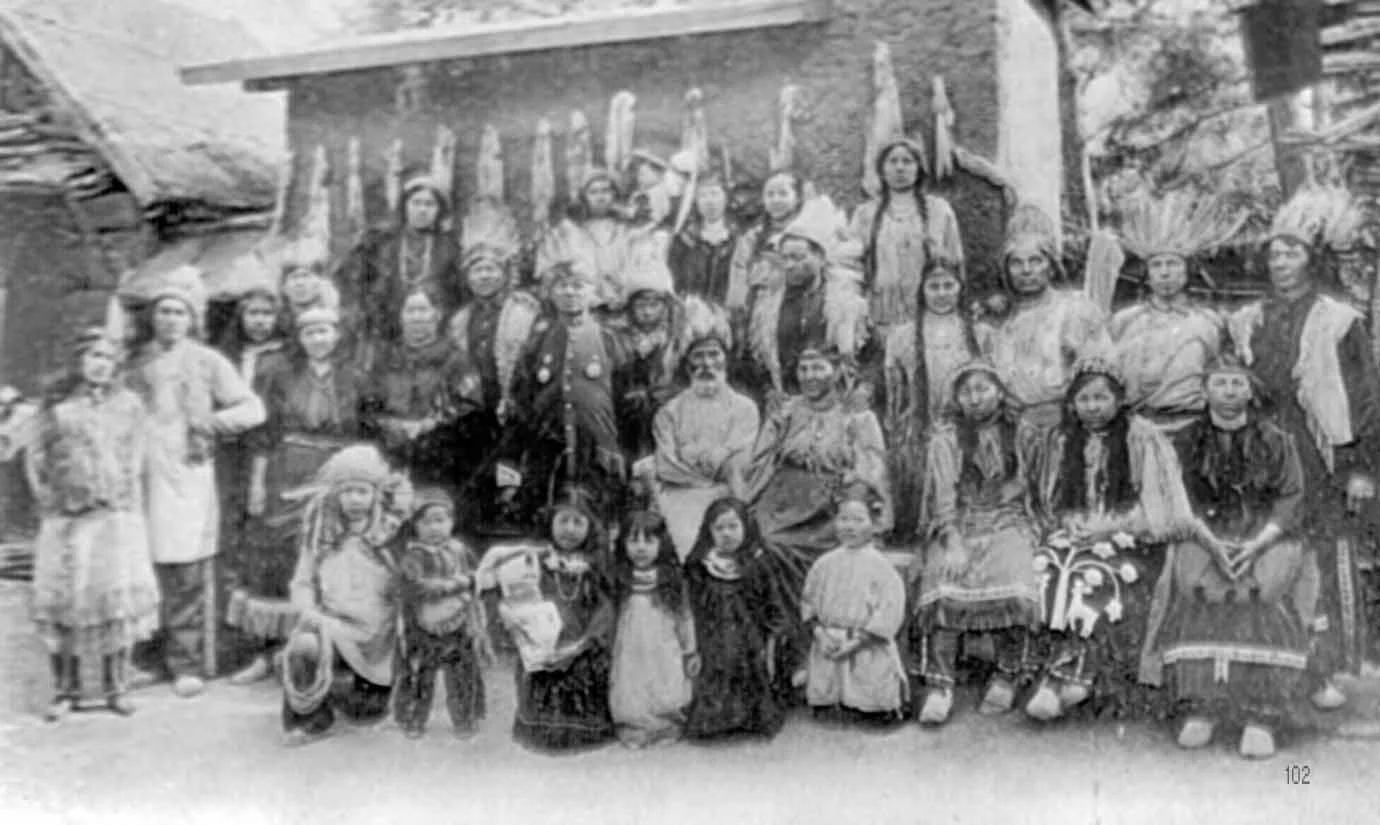
(Courtesy: Kanien’kehá:ka Onkwawén:na Raotitióhkwa Language and Cultural Center)
Leonard Bordeau ROKÁ:RATON
Ioiánere tsi ní:tsi wa'tiakwatén:ro'ne' nì:'i Kanien'kéha owén:na iakhirihonnién:ni. Énska ne tsi niwenhnì:tes wa'akwatsénhaien' ne ki' naionkwató:ken'se' tsi nihontiéhrha ne ratiksa'okòn:'a tánon eniakwarihwanón:ton' oh neniakwá:iere' ne sénha aontahoti'nikonhratihéntho' ne ratiksa'okòn:'a. Nè:'e wa'akwahthá:rahkwe' akwé:kon tsi nahò:ten karahkó:kon ká:ien.
Nè:'e iakwanonhtónnionhkwe tsi nithotikwénion tsi nihatiiéhrhahkwe' akwé:kon ne shakotirihonnién:ni. Iah í:kehre othé:nen ne shakotirihonnién:ni tethonato'ktaníhahkwe eh nón:we tká:nakte.
Kenk nihá:ti ronterihwaiénstha ionkwaksa'taién:tahkwe néne kwah tokèn:'en ronatkahri'tsherákon ne onkwawén:na. Kenk nihá:ti enionkerihwanón:ton'se, "Atónnion, to niiohwistà:'e sehsahténties ne kén:tho nó:nen eniakwaterihwaienstá:ko'?"
Wa'kì:ron', "Ken' í:kes tsi niió:re kaié:ri."
"Ne ki', enwá:ton' kenh entkatáweia'te' nó:nen enkaterihwaienstá:ko' tánon kenk ní:kon enwatió'ten'?"
"Hánio, tasatáweia't, é:so tsi tekonnonhwerá:tons." Tió:konte kenk nihá:ti ronterihwaiénstha wakeksa'taién:tahkwe néne ronská:nekskwe aontahontáweia'te'.
Enkherihwanón:ton'se' tóka' káneka rotinoròn:se tóka'ni othé:nen ok wató:ken ká:ien néne ronská:nekskwe ahontátia'te'. Tsi ní:ioht ne tsi nahò:ten wa'kì:ron', tóka' iah ó:nen tesatotahsién:ni, iokwénion ki' wáhi aiako'nikonhraronhiá:kenhte'. Tió:konte wakatshennonníhahkwe nó:nen skaksà:ta enionkerihwanón:ton'se' tóka' enwá:ton' entiontià:tara'ne'.
Ohén:ton tsi niió:re enhonwanatken'sénion', kenk nihá:ti enthón:ne' tsi tekherihonniennì:tha. Enkì:ron', "Tasatáweia't, tsik nitiotierà:ton enwá:ton' enkonié:nawa'se', nek takhró:ri tsi nahò:ten tesatonhontsó:ni."
Tió:konte wakathontahtsheriiò:ne. Orihwí:io, iah akwé:kon tho niiako'nikonhro'tèn:ne. Io'nikonhráksa't nakì:ron' tsi kenk nihá:ti nontionkwe'ta'shòn:'a iah tehotirihwakwenienstahtsherá:ien nek tsi oh ní:tsi kwah nénhsiere' eh nón:we aorihwà:ke?
Edited by: Melissa Stacey, Local Journalism Initiative Reporter
Translation by: Karonhí:io Delaronde