
Coffee break
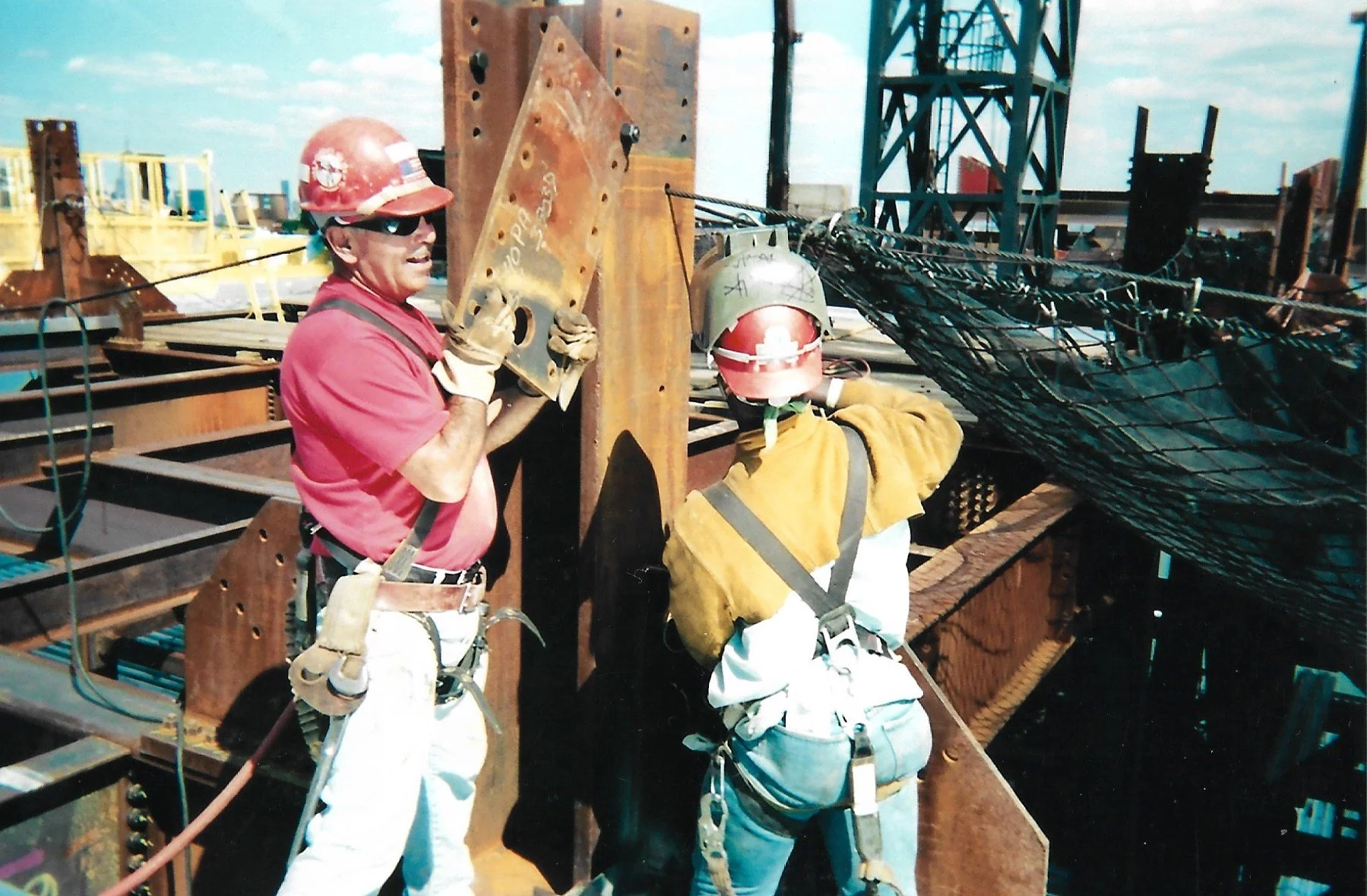
From September to October in 2001, Leonard was ironworking in New Jersey. (Courtesy: Leonard Bordeau)
Story told by Leonard Bordeau
I had to go to school across the river because we didn’t have a high school in Kahnawà:ke. I went to Bishop Whelan High School in Lachine. There were a bunch of us, and I was the only one that spoke Mohawk, so I had no one to speak with. I didn’t use it daily, but the language was still in me.
When I got older, my father took me away at 18 to start doing iron work. I remember walking on the jobsite and there were always older guys from Kahnawà:ke.
On coffee break, they’re all sitting around and talking in Mohawk. Maybe they didn’t think that I understood or spoke the language. They’re telling stories about what they did on the weekend and I’m laughing with them.
Some of the older ones asked, “Ónhka ní:se’?” (Who are you?)
“Leonard Bordeau,” I said.
“Sahrónkha' ken ne onkwehonwehnéha?” (Do you speak Indian?)
“Hen, kahrónkha',” I said. (Yes, I speak.)
“Hen, né: ki' ioiánere', háo’ ken sanitskó:ten tánon' ostón:ha entewakaratónnion'.” (Yes, that's good, come sit here and tell a bit of stories with us.)
They welcomed me to come sit with them and talk. Coffee break was only 10 minutes and then you went back to work.
In high school, I didn’t lose it but because I didn’t use it as much, I was a little out of practice. When I started doing ironwork, I’d hear a lot of the older men speak it.
At the time, it seemed that everybody spoke Mohawk. It’s sad that it’s not that way anymore. We still have some very good Mohawk speakers, mind you.
KANIEN’KÉHA VERSION
↓
KANIEN’KÉHA VERSION ↓
Ronatoríshen ne ohso'kwákeri ahatihnekì:ra'
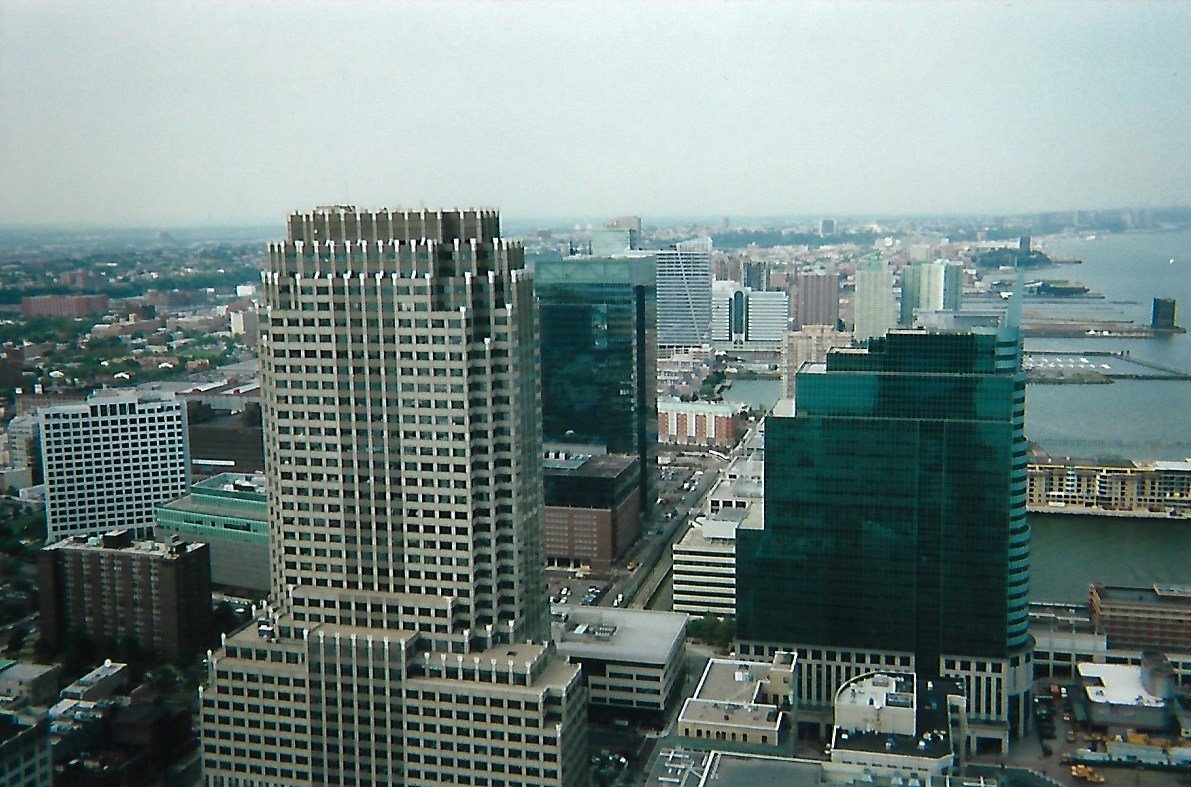
(Courtesy: Leonard Bordeau)
Leonard Bordeau ROKÁ:RATON
Ó:nen'k tsi ísi' na'kaniatará:ti wa'katerihwaienstà:na' ase'kén iah teionkwanonhsó:tahkwe' ne high school Kahnawà:ke nonkwá:ti. Bishop Whelan Highschool wakaterihwaiensta'nónhne' ne Skaniatará:ti nonkwá:ti. Ken' niiátonhne' tánon' ia'tetià:ti Kanien'kéha kahrónkha' né: káti' iah tewatién:tahkwe' ónhka'k taiakenihthá:ren'. Iah tewakátston thia'tewenhniserá:ke nek tsi shé:kon akonhà:ke wá:tahkwe' ne owén:na'.
Sénha shontontién:ta'ne', rake'níha iahatia'ténhawe' ne 18 sha'tewakohseriià:kon aontakatáhsawen' karistà:ke aontió'ten'. Kè:iahre' tsi iakoio'ténhstha' nonkwá:ti í:ke' tánon' tiótkon sénha thotí:ien's Kahnawa'kehró:non tho rón:ne's.
Sha'akwatoríshen' ne ohso'kwákeri aiakwahnekì:ra', akwé:kon ratitskó:ton tánon' Kanien'kéha rotíhthare'. Tóka' nòn:wa iah tehonnéhrhahkwe' kahrónkha' tóka' ni' ne wake'nikonhraién:ta's ne tsi niiakwawennò:ten. Rotiká:raton ne tsi nahóntiere' shontiahia'khserò:kten' tánon' skátne ionkwaiéshon.
Ótia'ke' ne sénha thotí:ien's wahatiri'wanón:ton', "Ónhka ní:se'?"
"Leonard Bordea," wa'kì:ron'.
"Sahrónkha' ken ne onkwehonwehnéha?"
"Hen, kahrónkha', wa'kì:ron'.
"Hen, né: ki' ioiánere', háo' ken sanitskó:ten tánon' ostón:ha entewakaratónnion'."
Wa'tionkenonhwerá:ton' akheiatia'táhrhahse' akátien' tánon' taiakwahthá:ren'. 10 nikahseriiè:take khok nikarì:wes ionkwanaktó:tahkwe' ne aiakwatoríshen' ne ohso'kwákeri aiakwahnekì:ra' sok entsisaio'ténhsera'.
Né: high school shikaterihwaiénstha', iah tewakatewennahtón:ni nek tsi ostón:ha wakewennotahrhè:sehkwe' né: tsi iah eh tho teiotkà:te' tewakátston. Shontakatáhsawen' ne karistà:ke aontió'ten', enwakathón:te'ne' é:so rá:ti ne sénha thotí:ien's nè:'e rontá:ti.
Né: tho shontakahá:wi', á:ienhre'k tóka' akwé:kon Kanien'kéha ionhrónkha'. Iohnhá:ten tsi iah ó:nen tho tétsoht. Shé:kon iontionkwè:taien' ótia'ke' ne ieká:ien' se' wáhi tsi ionhrónkha'.
Edited by: Melissa Stacey, Local Journalism Initiative Reporter
Translation by: Sahawisó:ko' Arquette