
Onen’tó:kon
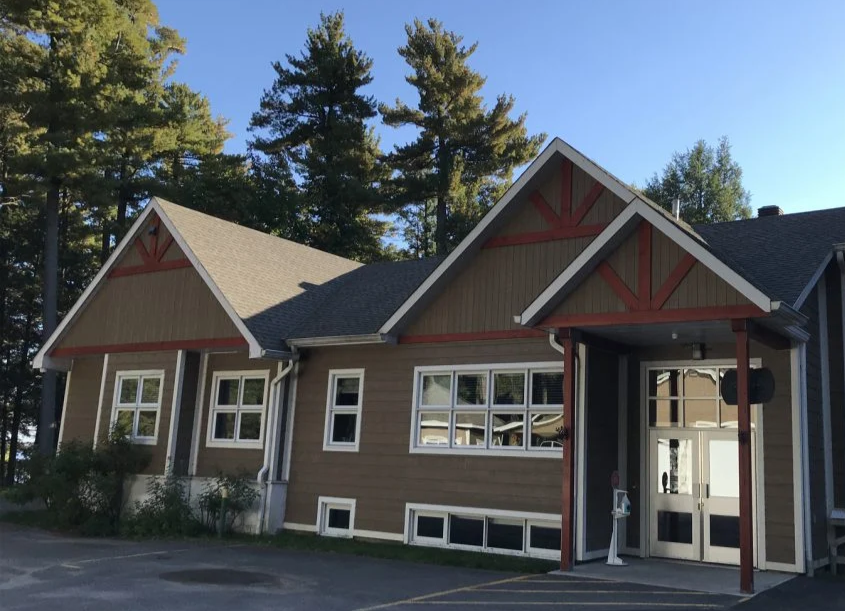
(Courtesy: Onen’to:kon Healing Lodge)
Story told by Earl Gilbert
I drank for 45 years, and I got tired of it, tired of that living. I prayed to our Creator and said, “I don’t want to be here no more.” I was off work for two years and went to Onen’tó:kon in Oka, which is an all-Native healing lodge. I was there with some of our brothers and sisters from up north.
I went through what you go through, detox, rehab, they give you homework and ask you questions. If you're stuck, you're stuck, you ask for help, and they help you. Not just the people going there for treatment, but the staff too was Native. You hear a lot of stories in there and talk to a lot of people. I'll put it this way, in order to understand my situation, you would have to be, or have to have been an alcoholic yourself.
Their door is open to everyone, but if you walk out then you're not coming back. I remember one guy who was Ojibwe and we were rooming together. One Friday he says, "Let's go have a beer." I knew where to go. My father's from Oka so I was familiar with the bars. I said, "Nah, I'm going to stick it out."
So, Friday night comes and at about six o'clock we all go into the cedar room to have a meeting. They said, "Earl, where is your roommate?"
I said, "I think he left, I think he went to a bar." We had our meeting and later that night I heard my roommate yelling, "Open the doors!" Drunk like hell.
They just called Oka police and picked him up. They didn't lock you up or anything, just took you away but I never seen him again.
You can't force anybody in there, they have to want to do it on their own. I came out and temptation came back again. I got home and I had three beers and my wife at the time said, "You started again, I can tell by your eyes."
Eventually I did get out of it. It's like a lifetime being an alcoholic. It's hard to get out of but you got to do it if you want to do it.
KANIEN’KÉHA VERSION
↓
KANIEN’KÉHA VERSION ↓
Onen'tó:kon
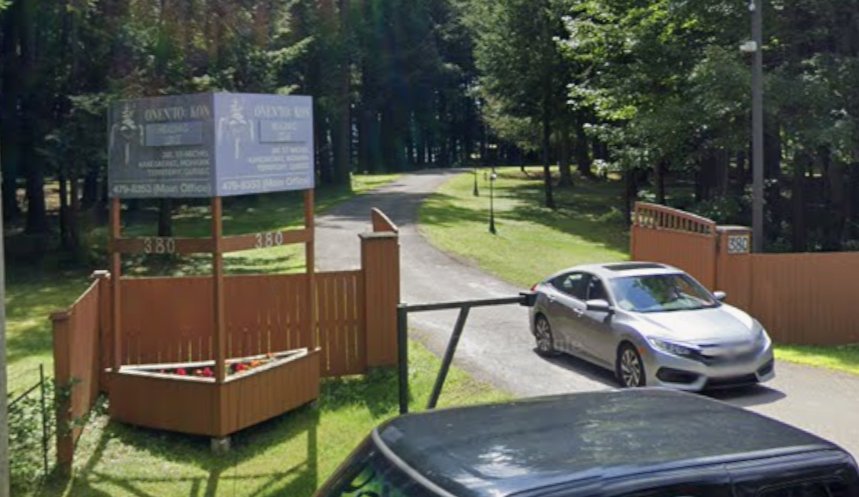
The entrance gate to the Onen'tó:kon Healing lodge. (Source: Google Maps)
Earl Gilbert ROKÁ:RATON
45 niiohserá:ke wa'khnekì:ra', tánon onkwaterihonkóhten', onkwaterihonkóhten' tsi tho ní:tsi kónhnhehkwe. Wahiiaterennaién:ha'se' Shonkwaia'tíson tánon wa'kì:ron', "Iah té:kehre kèn:'en aonsakéhseke'." Teiohserá:ke iah tewatio'tèn:'en tánon Onen'tó:kon iewakenòn:ne ne Kanehsatà:ke nonkwá:ti, akwé:kon-Onkwehón:we tsi iontatonhnahseronnià:tha nen' nè:'e. Eh ié:keskwe skátne iakwatate'ken'okòn:'a néne othorè:ke nithoné:non.
Wa'tkatóhetste' tsi nahò:ten teiontohétstha, nia'té:kon wa'kátkahwe', wa'katatonhnhahserón:ni', eniesá:ion' nahò:ten ensaió'ten' kanónhskon tánon nia'té:kon eniesarihwanontonnión:ha'se'. Tóka' saia'totahrhè:'on, tó:kenske saia'totahrhè:'on, enhsherihwanón:tonhse' aiesaié:nawa'se', tánon tó:kenske eniesaié:nawa'se'. Iah nek ne tsi nihá:ti eh iehonnéhtha' nahontatonhnhahserón:ni', nek tsi Ronnonkwehón:we ó:ni ne tho rotiio'ténion. Kwah nia'té:kon' enhskarahronkánion' tho nón:we tánon é:so rá:ti tensewahtharónnion'. Ken' nenkerihwaié:ra'te', ne naiesa'nikonhraién:ta'ne' tsi niwatià:tawens, entà:'on iehnekakà:stha nahsia'to'ténhake', tóka'ni ó:nen eh nihsia'to'tèn:ne.
Thikawenní:io ónhka teiakotehnhohontièn:se, nek tsi tóka' ensehsatoriáhtihte' kwah iah thaón:ton' taontáhse'. Riiè:iahre kí:ken shaià:ta Atewa'káhnha nihaia'tò:ten teiontiahsónhta. Kí:ken wískhaton nitewenhniserò:ten rá:ton, "Hao' onen'tákeri tiathnekahrà:na." Tienterì:ne ka' niá:ke. Kanehsatà:ke nithawé:non ne rake'níha ne ki' tiorì:wa tsi tienterì:ne ka' nonwéhson ne tsi ionthnekahráhkhwa. Wa'kì:ron', "Iáhten, enkatonhnhahní:rate'."
Thò:ne ki', Wískhaton o'karahsnéha ón:we' tánon kheh 6 niiohwistà:'e akwé:kon ia'akwatáweia'te' tho nón:we onen'takwenhténhtshera tká:nakte naiakwatsénhaien'. Wahonnì:ron', "Earl, ka' ne tetsahsónhta?"
Takì:ron', "Kwah í:kehre iehoiakèn:'en, tsi ionthnekahráhkhwa ki' 'ónhte iehawé:non." Wa'akwatsénhaien' tánon sénha í:non shitio'karà:wen onkwathón:te'ne tehohenréhtha ne teiontiahsónhta rá:ton "Sehnhotonkohá:ton!" Ronenneri'tanonhwarahtòn:'on.
Iahshakonatewennáta'a'se' Kanehsata'kehró:non ratiríhton tánon wahshakotiia'títa'. Iah sewatierenhkó:wa thaiesahnhó:ton', nek é:ren thieniesaia'tenhá:wihte' nek tsi iah nonwén:ton teshí:ken.
Iah thaón:ton' thikawenní:io ónhka ahsheiate'nekarónhkwen' eh iá:ien', entà:'on tó:kenske ako'nikòn:rakon én:ienhre'. Tatiá:ken'ne' tánon óksak tontonke'nikonhratihéntho' nakhnekì:ra'. Ionsá:kewe' tsi tkì:teron tánon áhsen na'khnekì:ra' onen'tákeri tánon néne ionkeniniakòn:ne wa'è:ron', "Sok á:re' tontahsatáhsawen', skahrà:ke nè:'e tienteréstha'."
Kak tsi ní:ions tó:kenske tonsakatia'totaríhsi'. Kwah tsi ní:ioht ne tsi niiakónhnhes nikaiá:nes ne ónhka aiehnekakà:sthake'. Wentó:re wáhi tahsatia'totaríhsi' nek tsi entà:'on eh nenhsátiere' tóka' íhsehre eh nenhsátiere'.
Edited by: Aaron McComber, Local Journalism Initiative Reporter
Translated: Karonhí:io Delaronde