
↓ listen to the story in KANIEN’KÉHA ↓
🔈
↓ listen to the story in KANIEN’KÉHA ↓ 🔈
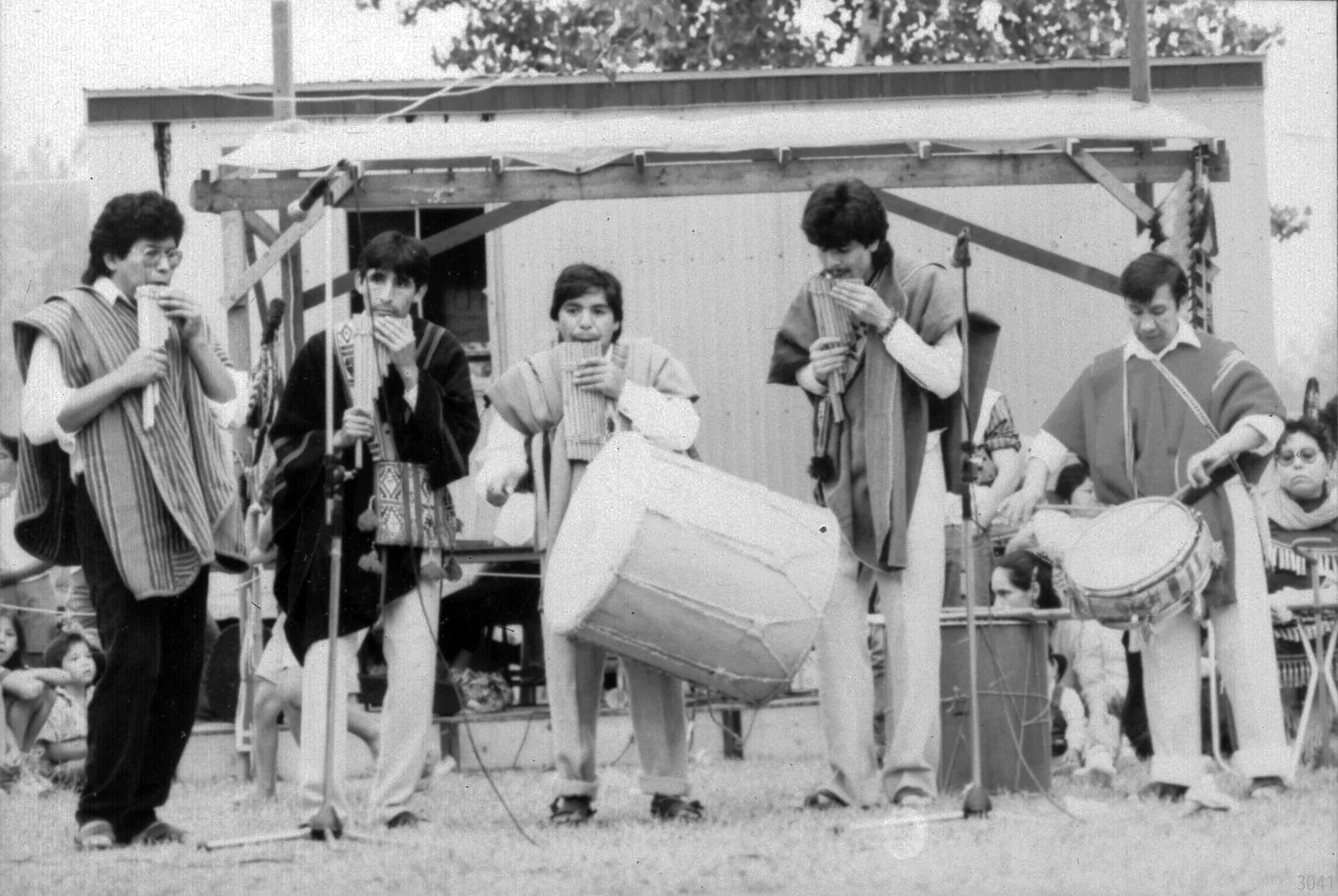
(Courtesy: Kanien’keháka Onkwawén:na Raotitióhkwa Language and Cultural Center)
Story told by Tealey Ka’shenní:saks Normandin
I always knew that I was Indigenous, thanks to my adoptive mother, Pauline. She told me what I was from day one; a little “Indian” girl.
Since she didn’t know how to show me my culture at the time, we would watch movies on TV with “Natives.”
I can remember one time, sitting on the floor in my grandmother’s apartment, my mom and auntie were there. My mom would find a TV show where there was drumming. I can visualize as plain as day, that there was a man in full regalia on the screen.
As the drums were beating, my body was moving with the beat. I was going with it, and my auntie behind me said, “Look at that, she’s really got it in her blood.”
Watching that may have helped me learn about my roots, but my mother didn’t know for sure. “How do I teach this child? How?” she probably thought to herself.
Many years later, my mom and I lived in Ormstown for about five years. We would cross the bridge over Kahnawake every single day, and as we were crossing, she would say, “Oh, I bet your family’s down there.”
I think that the first time that I really came to town was after the Oka Crisis. It was probably during the Kahnawake Powwow in ‘91, back when it was fresh and brand new. I met my birth family just the year before.
KANIEN’KÉHA VERSION
↓
KANIEN’KÉHA VERSION ↓
Akonekwénhsakon watáhkhe
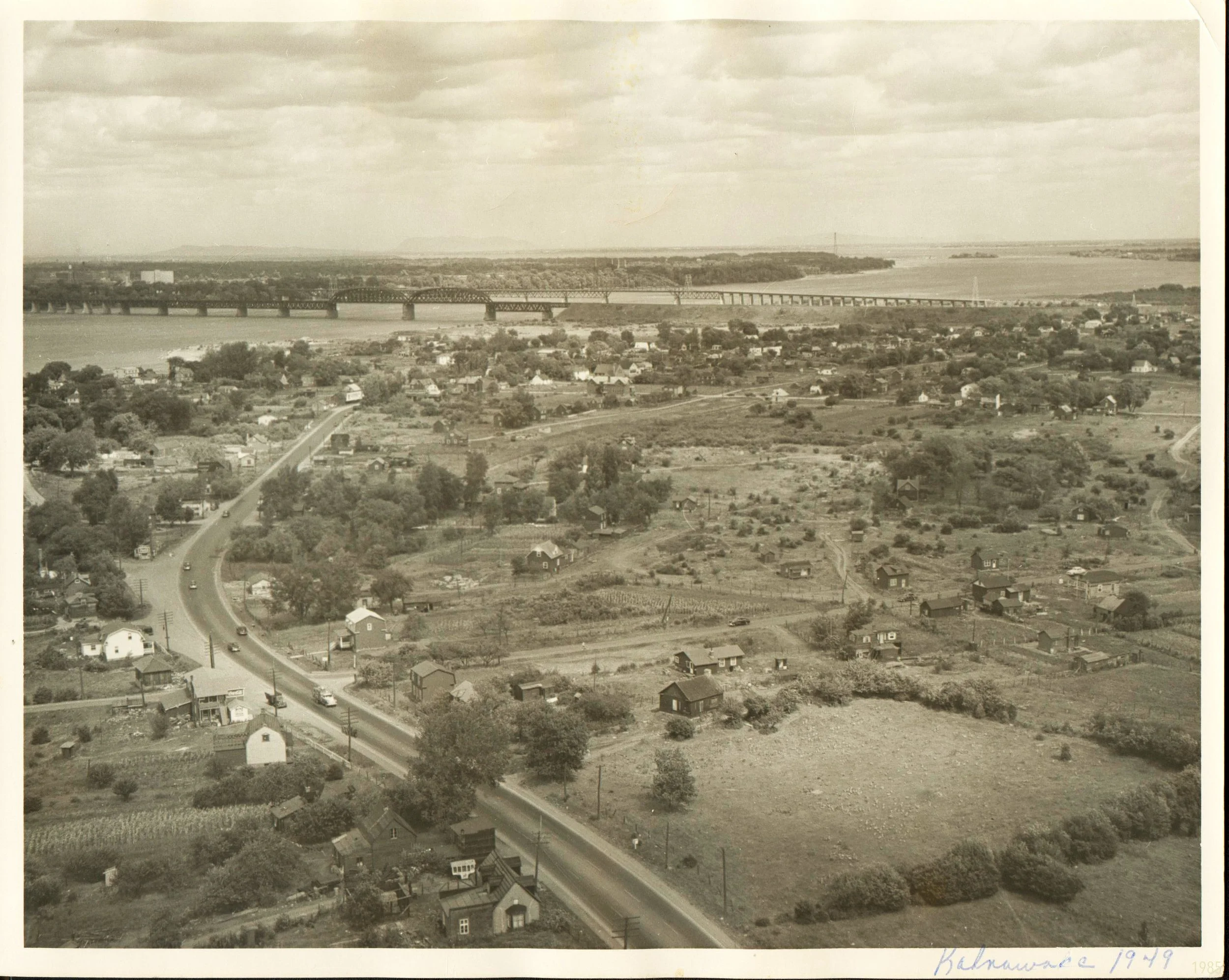
(Courtesy: Kanien’keháka Onkwawén:na Raotitióhkwa Language and Cultural Center)
Tealey Ka’shenní:saks Normandin IAKOKÁ:RATON
Tiótkon wakaterièn:tarahkwe tsi konkwehón:we, iontia'tenháwen tekhenonhwerá:tons, Pauline. Wa'onkhró:ri ka' nitewaké:non shontontáhsawen ne tiotenhniseratierénhton ; ken' niiakà:'a "Indian" ieksà:'a.
Tsi iah teiakoterièn:tarahkwe oh ní:tsi aionkena'tón:ha'se tsi niwakerihò:ten neh shitkahá:wi, eniakwaterò:roke teióia'ks tkarasthà:ke skátne "natives."
Kè:iahre énska tsi náhe, ohson'karà:ke kítskote tsi nón:we akhsótha tie'terón:tahkwe, ake'nisténha tánon ionkenonhà:'a tho ítkeneskwe. Ake'nisténha enietshén:ri ne tkarastha'kéha teiontierónnionhs néne ió:ien io'nahkwà:'e. Kwah í:ken tsi ió:ken tsi ní:tsi tkerástha thí:ken, eh thaià:tara's rón:kwe néne kwah atahkwenniahón:we rótston.
Tsi io'nahkwa'ehátie, atieròn:ta iotorià:neron sha'tékene tsi io'nahkwà:'e. Sha'teiákene ó:ni nì:'i tánon ionkenonhà:'a khsòn:ne ítiens wa'onkhró:ri, "He thí:ken, kwah tokèn:'en tsi akonekwénhsakon watáhkhe."
Tsi wa'katerò:roke thí:ken kwah ontié:nawa'se tsi onktó:ken'se ka' nitewaké:non, nek tsi ake'nisténha iah kwah teiakoterièn:tarahkwe. "Oh ní:tsi enkherihónnien kí:ken ieksà:'a? Oh ní:tsi?", ki' ónhte wà:'enhre ako'nikòn:rakon.
É:so iohserá:ke shontóhetste, ake'nisténha tánon ì:'i Ormstown nonkwá:ti tiakeni'terón:tahkwe ákta wísk niiohserá:ke nikarì:wes. Teniatiaskwí:ia'ke è:neken ne Kahnawà:ke thia'tewenhniserá:ke, tánon tsi teiontiaskwiia'konhátie, eniè:ron, "O, á:kehre tho thón:nes ne sahwá:tsire."
Í:kehre ne tontié:renhte kwah tokèn:'en tsi wa'kená:tara'ne ne ki' ohnà:ken sha'kaién:ta'ne ne Oka Crisis. Ki' ónhte tsi nikarì:wes ne Kahnawà:ke Pow Wow ne '91 shitiohserahsé:tas, shé:kon é:so tsi shiiorì:wase. Wa'kheientéhrha'ne ne ionkwennakerátston akhwá:tsire nek tsóhsera nohén:ton.
Edited by: George Rahrhaienté:ri Ross, Local Journalism Initiative Reporter
Translated by: Karonhí:io Delaronde